


Joint wellbeing and structural proteins
As the years go by, many people start paying attention to their joints: a slight morning stiffness, a wish to keep moving smoothly, or simply curiosity about what supports the body’s connective tissues. At the heart of that conversation stands a single protein: collagen. It is the fundamental building block of cartilage, tendons and ligaments, and that is exactly what places marine collagen at the centre of attention for anyone interested in joint comfort.
This educational guide from VitalisPro promises you no miracle and does not claim to “repair” any joint. Instead, in plain language and with verifiable sources, it explains what collagen really is, why we call it a support protein, what sets marine collagen apart from other sources, and what the research has shown — and, just as importantly, what it has not yet shown — about collagen peptides. The goal is that you leave with a solid understanding, not with an advertising slogan.
Let us agree on one principle from the start: collagen is not a magic wand that restores youth to the joints. It is a genuine structural protein that forms part of cartilage, skin and bone, and whose natural production tends to slow with age. Our job is not to “patch up” a tissue with some wonder product, but to understand how collagen fits into a whole-picture approach to comfortable movement. It is from this realistic angle that talking about supplements begins to make sense.

محتوى الصفحة
- 1 In brief: what you will learn
- 2 In this guide
- 3 Collagen, a structural protein: why it matters for the joints
- 4 Marine collagen: what sets it apart?
- 5 The types of collagen and their sources
- 6 What does the research say about collagen peptides?
- 7 Vitamin C: the cofactor of collagen synthesis
- 8 Movement and nutrition: the bigger picture for joints
- 9 Marine collagen in the Moroccan context
- 10 How to use marine collagen
- 11 Precautions, interactions and limits
- 12 Stories from our readers
- 13 Frequently asked questions about marine collagen
- 14 Marine collagen: a balanced conclusion
- 15 Sources and methodology
In brief: what you will learn
- Collagen is the most abundant protein in the body: it forms the scaffolding of skin, bone, tendons, ligaments and joint cartilage.
- The body’s natural collagen production slows with age, which has fuelled researchers’ interest in dietary sources of support.
- Marine collagen is extracted from marine sources (fish skin and scales); it is usually hydrolysed into small peptides to make it easier to absorb.
- Research on collagen peptides and joint comfort or skin is promising but inconclusive: it is a supportive element, never a treatment for osteoarthritis.
- Vitamin C contributes to normal collagen formation — that is the one claim approved by EFSA in this area; marine collagen itself belongs to wellbeing and ongoing research.
- VitalisPro products (marine collagen, shark cartilage, pumpkin seed oil) are ONSSA-authorised food supplements, meant to fit inside a healthy lifestyle. They are not medicines and not a substitute for professional advice.
Collagen, a structural protein: why it matters for the joints
If we had to sum collagen up in a single image, it would be a scaffold. It is the most abundant protein in the human body, and it forms the basic structure of skin, bone, tendons, ligaments and cartilage.3 We can compare it to the framework that gives tissues both their firmness and their flexibility. Without it, the body would have neither the solidity that holds it together nor the elasticity that lets it move.
In the joints specifically, collagen forms part of the cartilage: that smooth, pearly tissue that covers the ends of the bones, acts as a shock-absorbing cushion and allows a fluid glide through movement. Cartilage is not an inert tissue; it is a living matrix whose main framework is built from collagen. It is this architecture that absorbs the shock with every step, every bend of the knee, every movement of the hand.
Yet with age, the body’s natural production of collagen tends to slow. This is not a disease: it is a gradual physiological process that research links to changes in skin firmness and the quality of supporting tissues across the decades.2 This natural slowdown is exactly what sparked scientists’ curiosity about dietary sources of collagen: can supplying the body with “building blocks” accompany its supporting tissues? The question is open, and we will return to it with all the nuance it deserves.
Let us stay with the scaffold image. Picture a building’s structure: the bones are the walls, the cartilage is the cushion between them, and the tendons and ligaments are the cables that connect the parts. Collagen is the base material that goes into most of these elements. When the body’s collagen reserves are in good shape, the whole system works with more fluidity. This comparison helps explain why researchers take an interest in the building blocks of collagen, especially as its natural manufacture grows slower.
A support protein, not a medicine
A word of honesty before we go further: describing collagen as a “support protein” is not a marketing flourish, it is the most accurate framing. Collagen does not “heal” a worn joint, does not “treat” any condition and never replaces medical care. It is studied as one supportive element among others, to be placed within a far wider picture in which regular movement and a balanced diet weigh at least as much. Keeping this distinction in mind is the best protection against excessive promises.
Marine collagen: what sets it apart?
Marine collagen is a type of collagen extracted from marine sources, particularly fish skin and scales. Its first distinctive feature is that it is most often hydrolysed: that is, broken down into small fragments called peptides. This hydrolysis step aims to make the protein easier to absorb in the digestive system, since very large intact collagen molecules would be hard to take up as they are.

Why does the marine source attract so much attention? First, because marine collagen is rich in type I collagen, the most abundant type in skin, bone and tendons — which explains the research interest in its role in skin ageing.2 Second, because once hydrolysed, its peptides show an interesting absorption profile. Yet we must not confuse “well absorbed” with “guaranteed effect”: bioavailability is a condition, not proof of efficacy.
When we speak specifically about the joints, particular interest falls on type II collagen, which is the type most closely associated with the structure of cartilage. Put simply: each type of collagen plays a role in different tissues, and the type linked to cartilage is the most studied in the context of supporting joint tissues. Marine collagen, meanwhile, is mainly a source of type I; that is why the literature often associates it with skin and supporting tissues as much as with joints. Grasping these nuances already guards you against advertising shortcuts.
“Collagen is not a hero from the outside that restores youth to the joints. It is a structural protein the body makes itself, and one that research studies as a possible support — never as a cure. Wisdom lies in understanding its real role, no more and no less.”
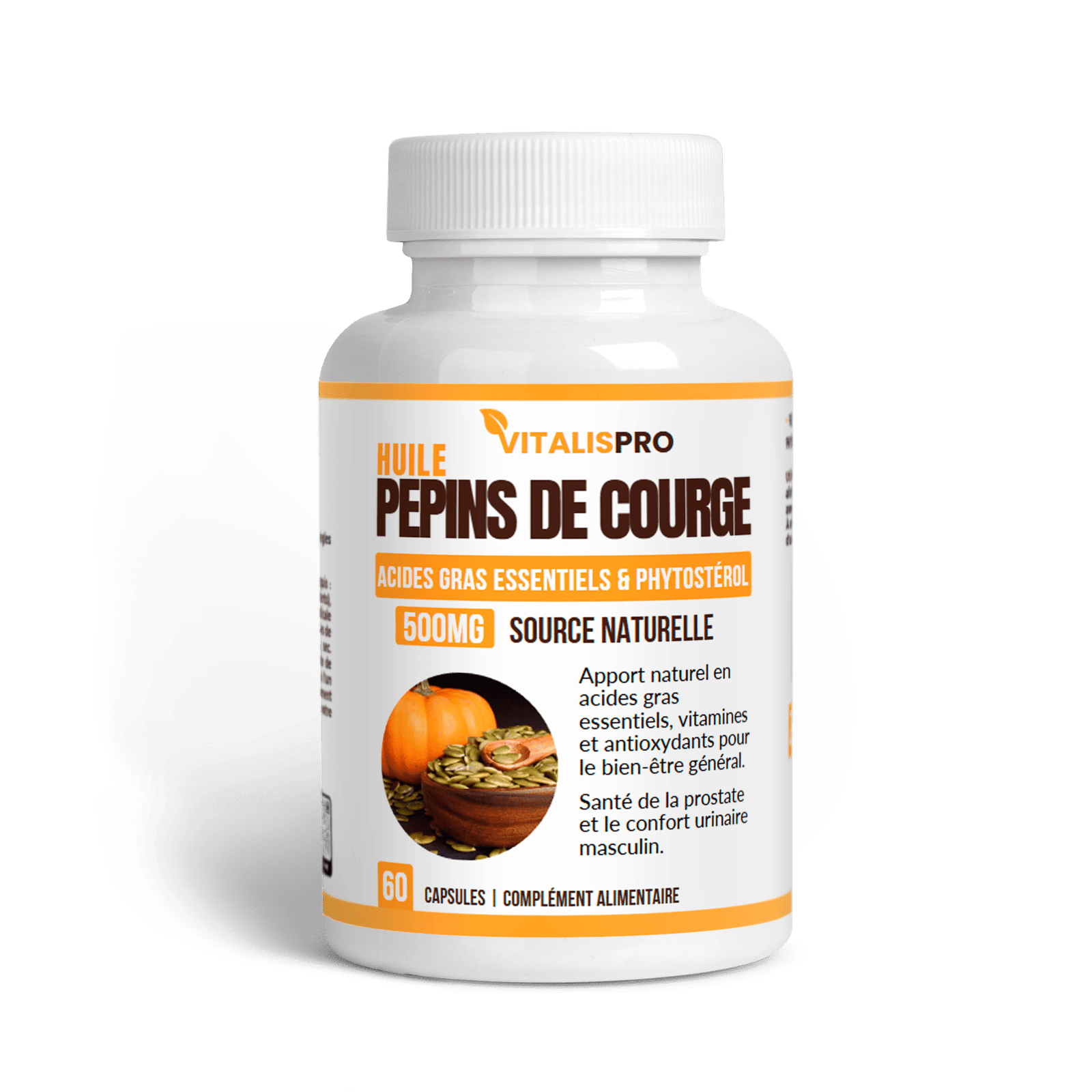
The types of collagen and their sources
We often speak of “collagen” as if there were only one, when in fact the human body contains many types. Three of them are the most frequently cited, because they make up the largest share of the body’s collagen.5 Understanding this distinction helps you decode labels and tell apart what concerns the skin, what concerns the bones and what concerns the cartilage.
| Type of collagen | Where it is found in the body | Sources and associated supplements |
|---|---|---|
| Type I | Skin, bone, tendons, ligaments — the most abundant in the body | Marine collagen (fish skin and scales), bovine sources |
| Type II | Joint cartilage — the framework of the joints’ cushion | Cartilage (including shark cartilage), cartilage-rich sources |
| Type III | Skin, blood vessel walls, organs — often paired with type I | Frequently present alongside type I collagen |
| Hydrolysed peptides | Collagen fragments broken down for absorption | Hydrolysed marine collagen, peptide powders and capsules |
This table highlights an essential point: the type of collagen and its source matter as much as the word “collagen” on the box. Marine collagen is above all a source of type I, particularly studied for skin and supporting tissues. Cartilage, meanwhile, is traditionally associated with type II and with compounds of cartilage tissue. An informed consumer therefore does not stop at the label: they look at where the collagen comes from and which tissue it relates to.
This is also why people interested in supporting their joint tissues sometimes combine several complementary approaches. VitalisPro offers marine collagen as a source of the structural protein of connective tissues, alongside shark cartilage, a traditional source rich in compounds associated with cartilage tissue. This is not about stacking products, but about understanding that each element relates to a different facet of the supporting tissues.

What does the research say about collagen peptides?
Here is the heart of the matter, the part that deserves the most nuance. The idea of supporting the body by supplying it with collagen “building blocks” is what fuels the growing interest in its supplements. Researchers study how collagen peptides might accompany supporting tissues within an active lifestyle. Let us be honest about the state of the evidence: the picture is promising but inconclusive.
A review devoted to collagen supplementation for joint health gathered the available data on the composition of collagen peptides and their possible role in joint comfort among active and athletic people.3 The authors describe interesting signals, while stressing the heterogeneity of the studies: varied protocols, different doses, distinct populations. In other words: a signal exists, but it does not amount to formal proof, and the difference between the two is exactly what separates sober knowledge from a hasty promise.
On the skin side, a recent review explored the potential of marine collagen in the context of skin ageing, pooling the work on its peptides and their properties.2 Here again, the conclusions call for caution: the results are encouraging and deserve to be explored further, but they justify no categorical promise. Research moves forward; it does not settle the matter.
Why all this caution if the signals are there? Because rigorous science carefully distinguishes several levels: a laboratory experiment, a study on a small group, a large clinical trial, and then a review pooling dozens of studies. Much of what is promoted about collagen rests on the lowest levels of this pyramid, and is then presented as established fact. Our job is to place every signal at its correct rank, not to inflate it to serve a sale.
And most important of all, let us set things within their legal and scientific frame: to date, the European Food Safety Authority (EFSA) has not approved a health claim allowing anyone to say that a collagen supplement “heals” or “repairs” the joints.4 So we present marine collagen for what it is: a structural protein with interesting but incomplete research, to be woven into a whole-picture wellbeing approach, and never as a treatment for osteoarthritis or any joint condition.
Vitamin C: the cofactor of collagen synthesis
There is one point where science is far more affirmative: the role of vitamin C. Unlike collagen as a supplement, vitamin C carries a health claim approved by EFSA under European regulation: it contributes to normal collagen formation for the normal function of cartilage, bones, skin, blood vessels, gums and teeth.4 This claim is authorised, precise and framed — and it deserves to be well understood.
What does “cofactor” mean? The body cannot properly build its own collagen without vitamin C: this vitamin takes part in the reactions that assemble and stabilise collagen fibres. That is why many people interested in collagen also think about an adequate intake of vitamin C — not as a magic “boost,” but because it is a recognised link in the body’s natural manufacture of collagen.
The distinction matters, and it sums up the whole spirit of this guide. On one side, the marine collagen supplied by a supplement belongs to promising but inconclusive research. On the other, the contribution of vitamin C to normal collagen formation is a fact recognised by the authorities. Understanding where the approved claim ends and where ongoing research begins is exactly what separates the informed consumer from the influenced one.
Movement and nutrition: the bigger picture for joints
Marine collagen is a supportive element, but it works within a far wider framework of joint care. Regular, moderate movement preserves the mobility of the joints and strengthens the muscles that support them. Low-impact activities — such as walking, swimming or gentle stretching — are kind to the joints and excellent for accompanying their mobility. The World Health Organization indeed reminds us that regular physical activity is one of the pillars of maintaining physical function with age.6
On the nutritional side, several elements come together: vitamin C contributes to normal collagen formation, while essential fatty acids take part in the body’s natural balance. A varied, colourful dietary approach, combined with enough hydration and a balanced weight, is a cornerstone of joint care. Supportive elements such as collagen complement these foundations; they do not replace them.
It bears repeating clearly: expecting a collagen capsule to make up for a sedentary lifestyle is an illusion that always disappoints. Collagen adds a brick; it does not build the house on its own. That is why we always insist on the order of priorities: first movement, a balanced diet, hydration and weight; then, for those who wish, a complementary support taken consciously. To go deeper into movement and nutrition, our shop presents our full range dedicated to everyday wellbeing.
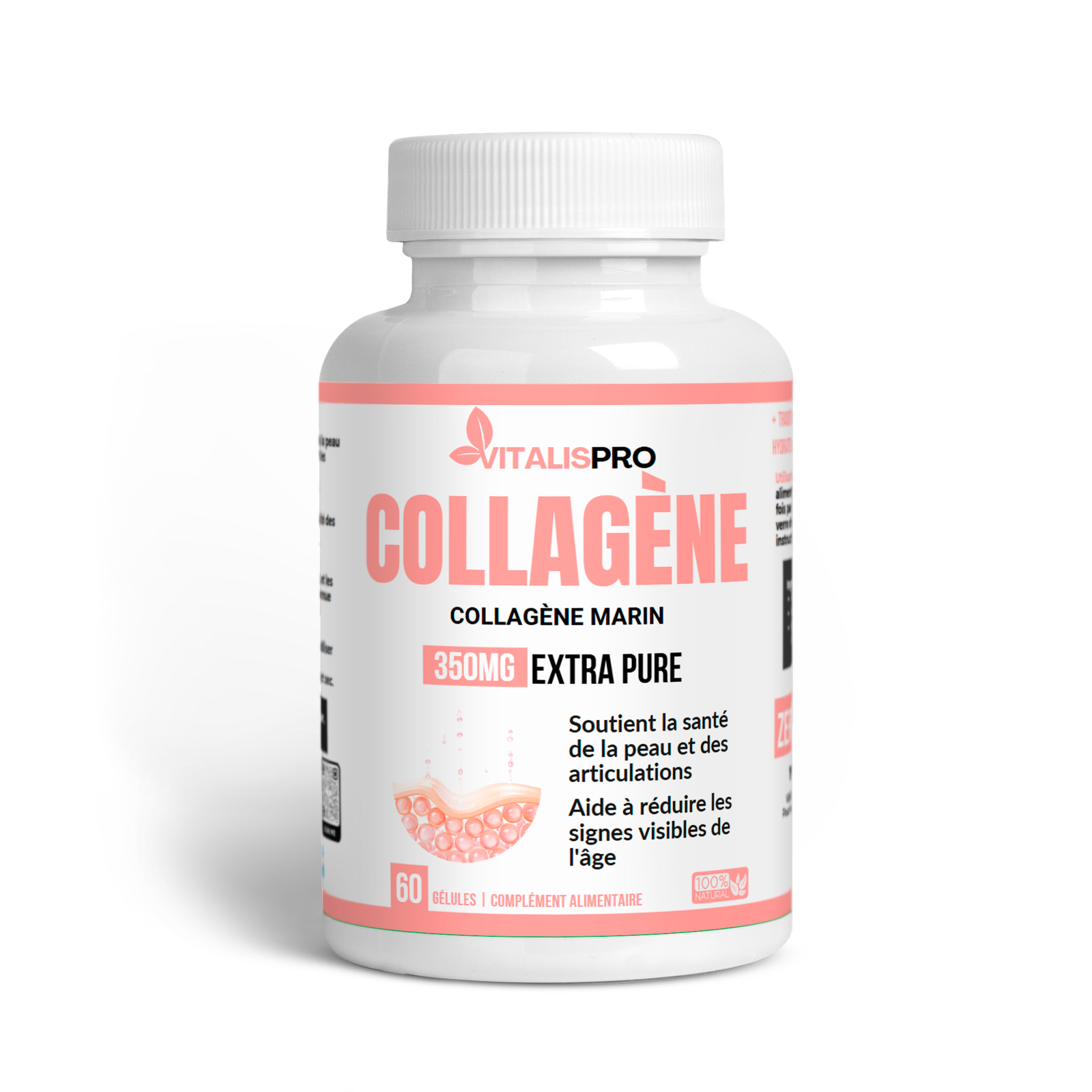
Marine collagen in the Moroccan context
With the modern lifestyle of Moroccan cities — long hours sitting in front of screens, rising sedentariness — many people take an interest in the health of their joints at a relatively early age. This is not a sign of fragility, but of awareness. The human body is made to move, and when the day shrinks into a succession of seated positions, paying attention to one’s mobility becomes a healthy, far-sighted reflex.
Morocco also enjoys a notable wealth of fisheries along its coasts, which makes marine sources of collagen culturally close. Fish is very much present in our culinary heritage, and a diet that gives it a place, alongside vegetables and quality oils, fits naturally into a tissue-support approach. There is no need to import strange “diets”: it is often enough to bring our table back to its original balance.
It is within this frame that a growing interest in supporting joint tissues takes shape, as part of a conscious lifestyle: regular movement, a balanced diet rich in fish and vegetables, and a controlled weight. Marine collagen is not a miracle solution; it is a considered piece within a larger picture, that of comfortable and lasting mobility as the years advance. This measured, unexaggerated approach is exactly the one VitalisPro stands for.
How to use marine collagen
Step one: consistency above all
Marine collagen is generally used as part of a continuous programme of several weeks, because its possible effects build gradually and do not always appear quickly. It is most often taken daily. Patient consistency, combined with movement and a balanced diet, is what makes the difference within a whole-picture, responsible approach. Expecting a dramatic result in a few days is the surest way to be disappointed.
Step two: think about vitamin C
Many people choose to pair their collagen intake with a source of vitamin C, since this vitamin contributes to normal collagen formation. This is not an obligation, but a coherent logic: supporting the recognised link in the body’s natural manufacture of collagen, rather than betting on a single isolated intake. A diet rich in fresh fruit and vegetables naturally contributes to this.
Step three: respect the dose and choose a clear source
Respect the recommended dose on the box: “more” is not “better,” and the body responds to consistency, not to shock doses. Choose a formula with clear ingredients, authorised by ONSSA, from a source that is transparent in what it offers and in its price. An authorised supplement gives you a guarantee of oversight that a product of unknown origin, entering through unofficial channels, cannot. Clarity here is part of safety. For any question, the VitalisPro team is available through our contact page.
Precautions, interactions and limits
No responsible discussion of a food supplement is complete without a frank section on its limits. “Natural” is not an automatic synonym for “suitable for everyone in all circumstances.” Marine collagen is generally well tolerated in healthy adults at usual doses, but caution is required in specific situations:
- Allergy to fish and seafood: because marine collagen is of marine origin, it is not advised for people with such allergies.
- Pregnancy and breastfeeding: it is advised to avoid supplements unless recommended by a healthcare professional.
- Children and teenagers under 18: supplements are not intended for this group without supervision.
- Existing joint conditions or ongoing treatments: consult a professional before starting; a supplement never replaces medical care.
The golden rule: a supplement adds; it does not fix a real imbalance on its own, and it does not diagnose or treat a condition. In case of persistent joint pain, swelling or unusual stiffness, consulting a healthcare professional remains the safest and first choice; these signs can trace back to many different causes that deserve qualified advice. We are here to accompany you with a clear, authorised product, not to replace the doctor.
Stories from our readers
These are testimonials from people who added plant and marine support to their routine, alongside movement and a balanced diet; individual experiences that differ from one person to another, presented as they are, without exaggeration:
“After forty, I felt a little morning stiffness. I did not look for a miracle: I put walking back into my days, more fish and vegetables, and added marine collagen daily. After a few weeks I feel more at ease in my movements. No magic, but a difference I can feel.” — Nadia, Casablanca
“What I liked was the honest message: no promise of a cure, just support within a lifestyle. I have been taking marine collagen with a source of vitamin C for two months, while keeping up my swimming, and I am pleased with the transparent approach.” — Khalid, Rabat
“Ordering was easy, with cash on delivery, and the formula is clear and ONSSA-authorised. I appreciate that it is of marine origin and transparent about its composition, and I reordered.” — Salma, Marrakech
Frequently asked questions about marine collagen
Marine collagen: a balanced conclusion
At the end of this journey, the picture becomes clear. Marine collagen is not a magic wand that restores youth to the joints, but neither is it a mere passing fad. The truth lies in the middle: an essential structural protein that forms part of cartilage, skin and supporting tissues, whose natural production slows with age, and which research studies as a possible support — with promising but incomplete signals, presented honestly as they are.
The smart approach uses collagen as a supportive element within an integrated lifestyle — regular movement, a balanced diet rich in fish and vegetables, an adequate intake of vitamin C, hydration and a controlled weight — and not as a substitute for these foundations. If you choose to add a supplement, opt for a clear, authorised formula from a transparent source, such as marine collagen and shark cartilage by VitalisPro.
In the end, what distinguishes the aware consumer is not avoiding every supplement nor believing every promise, but the ability to discern: to know what science says and what it does not, to place the fundamentals before the add-ons, and to give the body its fair time. If you leave this guide with that mindset, we have reached our goal, whether or not you choose our products. For direct contact, the VitalisPro team is available through our contact page and the our team page.
Sources and methodology
This guide relied on a review of documented general scientific sources (PubMed databases) and published reviews, in addition to official bodies such as the European Food Safety Authority (EFSA), the World Health Organization (WHO) and the MedlinePlus library (NIH). We committed to presenting results at their true size: promising signals are presented as signals, not as definitive promises, and no therapeutic effect was claimed. The information here is for health education, not for diagnosis or a medical prescription.
References
- MedlinePlus (NIH) — “Collagen” / COL2A1 gene (type II collagen, the structural component of cartilage). medlineplus.gov
- Unlocking the Therapeutic Potential of Marine Collagen: a review on marine collagen and skin ageing (2024). PubMed 38667776
- Collagen Supplementation for Joint Health: composition and scientific knowledge (2023). PubMed 36986062
- European Food Safety Authority (EFSA) — health claims (including the contribution of vitamin C to normal collagen formation). efsa.europa.eu
- Collagen: a review on its sources and potential cosmetic applications (types of collagen and sources, 2018). PubMed 29144022
- World Health Organization (WHO) — “Physical activity” fact sheet. who.int
The information in this article is provided for informational purposes for health education, drawing on documented general scientific references (PubMed, EFSA, WHO and NIH), and is not a substitute for consulting a qualified healthcare professional. Marine collagen and related products are food supplements that do not replace a varied, balanced diet or a healthy lifestyle, and are not intended to diagnose, treat, cure or prevent any condition, including osteoarthritis. Do not exceed the recommended dose. Because marine collagen is of marine origin, it is not advised for people allergic to fish and seafood. Pregnant and breastfeeding women, people under 18, and people with medical conditions or ongoing treatments are advised to consult a professional before use. Keep out of the reach of children.
