


Beauty and natural balance
We care a great deal about what we put on our skin: creams, serums, sunscreens. And we sometimes forget that skin glow also begins from within. Collagen is the most abundant protein in the body — the scaffold that gives skin its firmness and elasticity. With age, and under factors such as Morocco’s intense sun, its natural production slows. In this guide, we untangle what the science really says, far from the overblown promises.
This in-depth guide from VitalisPro does not sell you a miracle, and it does not promise to “turn back the clock.” Instead, in plain language and with sourced references, it explains what collagen really is, why it matters for the skin, what research has shown about marine collagen peptides, vitamin C and biotin, and where the honest limit of the evidence lies. The goal is that you leave with a decision built on knowledge, not on advertising noise.
Let us set one principle from the start: glow is not the product of a single wonder box. It is the result of a consistent routine and a balanced lifestyle — sun protection, hydration, sleep, diet, and, for those who wish, supportive elements taken with regularity. It is precisely from this realistic angle that talking about supplements makes sense — and not a moment before.

محتوى الصفحة
- 1 In brief: what you will learn
- 2 In this guide
- 3 What is collagen and why does it matter for your skin?
- 4 Age and the Moroccan sun: why collagen declines
- 5 Marine collagen peptides: what does the research say?
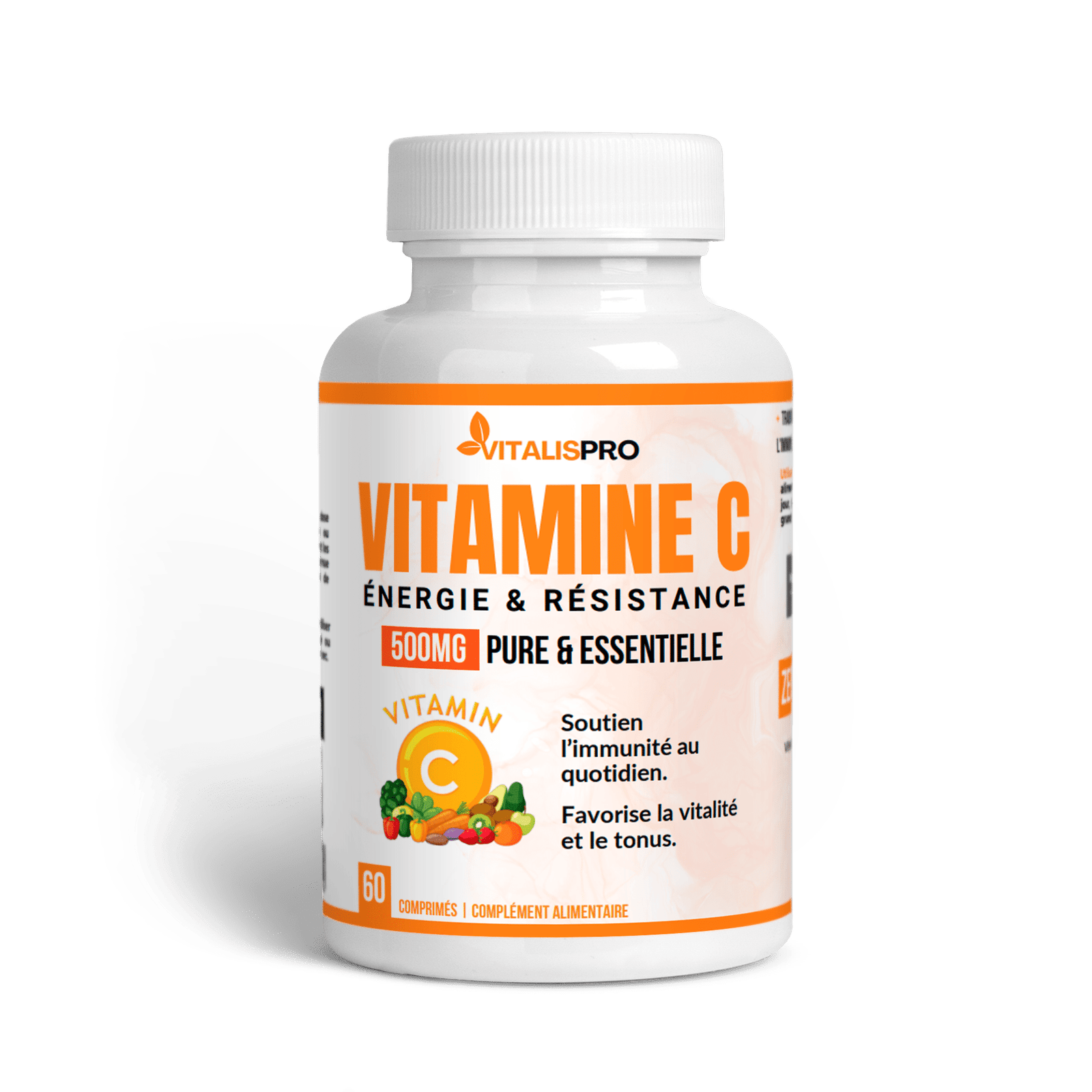
- 6 Vitamin C, the ally of collagen formation
- 7 Biotin, skin and hair: the role and its limits
- 8 Beauty from within: the nutrition that shows
- 9 The habits that protect your glow
- 10 Realistic expectations, precautions and limits
- 11 Stories from our readers
- 12 Frequently asked questions about collagen and skin
- 13 Conclusion: glow is built, not bought in a single box
- 14 Sources and methodology
In brief: what you will learn
- Collagen is the body’s most abundant structural protein; in the skin it forms a support network that contributes to its firmness and elasticity.
- Natural collagen production slows with age, and external factors such as excessive sun exposure and smoking accelerate the decline: daily sun protection is therefore the first building block of any skincare.
- Vitamin C contributes to the normal formation of collagen for the normal function of the skin and to the protection of cells from oxidative stress — two claims authorised by EFSA.
- Marine collagen peptides are studied for skin elasticity and hydration; trials and a meta-analysis report encouraging signals within regular use, but the results are gradual, never immediate.
- VitalisPro products — Marine Collagen + Vitamin C, Biotin 5000 mcg and Vitamin C 500 mg — are ONSSA-authorised food supplements, meant to fit inside a routine and a balanced lifestyle; they are not medicines and not a substitute for a varied diet.
What is collagen and why does it matter for your skin?
If we had to sum collagen up in a single image, it would be a scaffold. It is a structural protein that makes up a large part of the dermis, the deep layer of the skin, and gives it its hold and suppleness. Picture a supporting net stretched beneath the surface: it is what helps skin stay firm, spring back after pressure, and keep its even texture. Collagen does not work alone — it works alongside elastin and hyaluronic acid — but it is the main framework.
Collagen is not a uniform block but a family of proteins with varied roles. Type I is by far the most present in the skin, and it is the type around which most research on skin glow is focused. Other types accompany cartilage, tendons and blood vessels. This detail matters: when we talk about collagen “for the skin,” we are talking above all about that dermal network which contributes to elasticity and to maintaining hydration.
The body makes its own collagen, from amino acids and specific cofactors — foremost among them vitamin C, which is indispensable to its normal formation. This is confirmed by the U.S. National Institutes of Health (NIH)1: without a sufficient intake of vitamin C, collagen synthesis cannot proceed normally. So skin glow depends as much on what we give our body as on what we apply to it.
A network that renews itself — slowly
The skin renews itself constantly, but the collagen of the dermis renews itself slowly. That is why visible changes, in either direction, take time. Years of excessive sun exposure gradually weaken this network; conversely, a protective routine and suitable nutrition support its conditions of manufacture over time. This slowness is also why no serious skincare promises an “overnight” result: glow is built through consistency, not urgency.
Age and the Moroccan sun: why collagen declines
Two main forces explain the decline of collagen: time and the environment. With age, natural production gradually slows — a normal, universal process that begins quietly from the thirties onward. It is neither an illness nor a dramatic fate, but a biological rhythm that is best accompanied rather than fought. The good news: the environmental share is largely in our hands.
In Morocco, the sun is the first external factor to consider. Generous and almost daily, it is a natural source of vitamin D, but also the leading accelerator of skin ageing. Excessive exposure to ultraviolet rays weakens the structure of collagen and diminishes skin elasticity over time. That is why any serious skincare here begins with daily sun protection — even on cloudy days, even behind a car window. Sunscreen is not a summer luxury: it is a habit that protects your investment in your skin.
Beyond the sun, other factors weigh in: smoking, pollution, lack of sleep, a poor diet and chronic stress. None acts alone, but their accumulation wears down the ground on which the skin must renew itself. The soundest logic, then, is not to chase a single antidote, but to reduce what wears down and strengthen what supports — protection, nutrition, rest and consistency. The rest, supplements included, comes to complete these foundations, never to replace them.
“The best thing you can offer your skin is not a product that promises to reverse time, but a routine that slows what damages it: sunscreen every morning, water, sleep, and a plate that nourishes it from within.”
Marine collagen peptides: what does the research say?
Marine collagen, extracted from fish, is especially studied because it is rich in type I collagen — the most present in the skin — and because it comes in the form of peptides (short fragments, described as “hydrolysed”) of small size that are more easily absorbed by the body. It is this combination, type I and small peptides, that makes it a popular choice in “from within” skincare routines.

So what does the science actually say? Let us be honest: the picture is encouraging, without being a guaranteed promise. Controlled trials observed that oral intake of specific collagen peptides was associated with an improvement in skin elasticity in participants, along with effects on skin hydration, within regular use over several weeks.3 Other work reported, in parallel, a reduction in wrinkle depth and signals on the synthesis of the dermal matrix.2
To take a wider view, a systematic review with meta-analysis pooled several trials on hydrolysed collagen peptides and skin ageing, and concluded that there were favourable effects on skin elasticity and hydration, while calling for caution on the heterogeneity of protocols and the need for further studies.5 In simple terms: a consistent signal exists, but research continues to refine its conclusions. The difference between “an encouraging signal” and “categorical proof” is exactly what separates sober information from a hasty promise.
Three nuances are worth keeping in mind. First, the results are gradual: they settle over weeks, not overnight. Second, they express themselves within a balanced lifestyle: a capsule does not make up for chronic lack of sleep or an absence of sun protection. Third, the observed effect is one of wellbeing and the appearance of the skin, not medical treatment: we speak of glow and elasticity, never of treating a condition.
Why the “source and dose” matter more than the word on the box
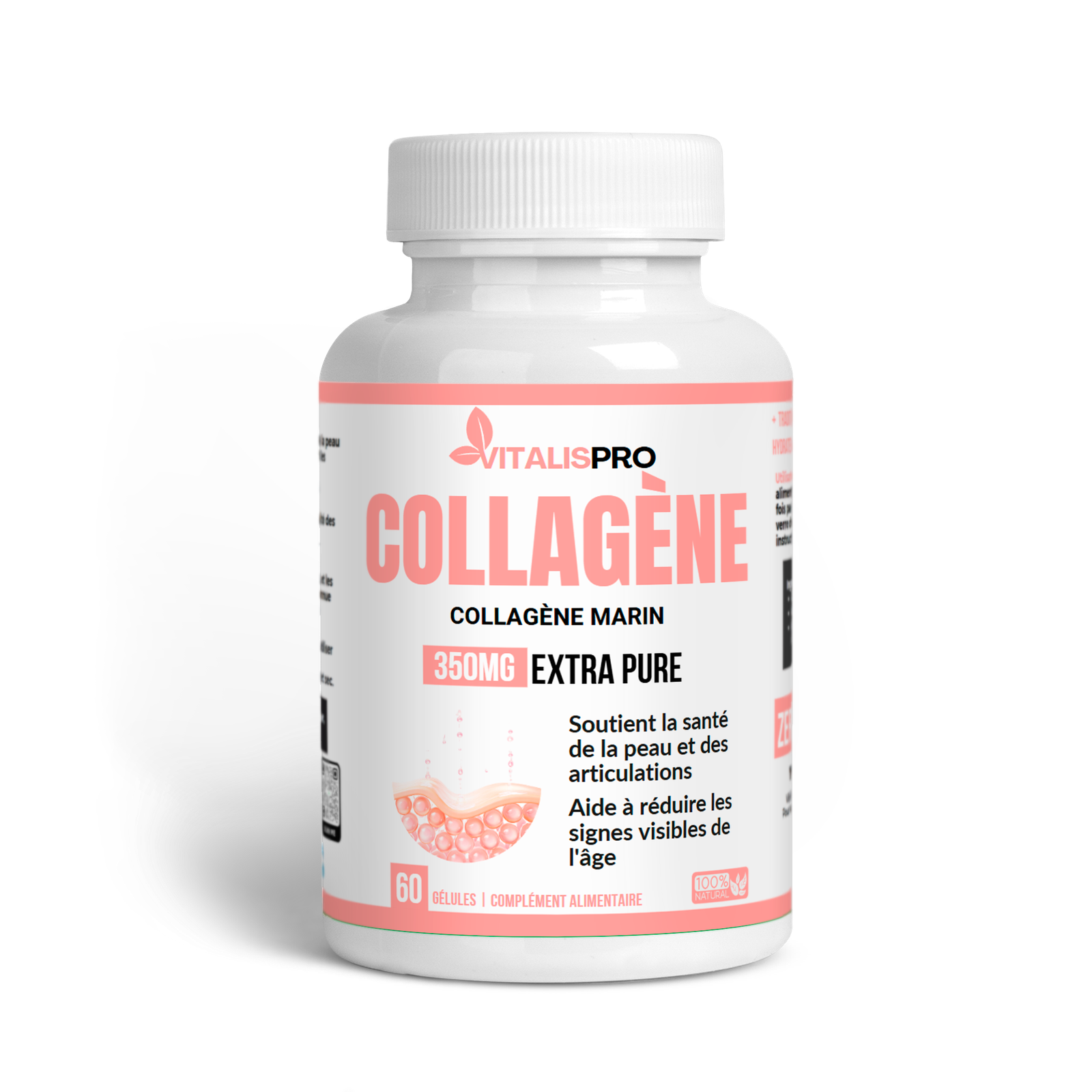
A point many people overlook: the word “collagen” on the label is not enough. What matters is the quality of the source, the size of the peptides, the clarity of the stated dose, and the presence of useful cofactors such as vitamin C. A powder of unknown origin may deliver only a fraction of what you think you are buying, while a clear, authorised formula gives you what it declares. That is why VitalisPro combines, in its Marine Collagen, marine peptides with vitamin C — the ally of the normal formation of collagen — and always insists on regulatory authorisation from ONSSA, which is not a formality but a control pathway.
Vitamin C, the ally of collagen formation
If we had to keep just one nutrient in the story of collagen, it would be vitamin C. Its role is not a marketing hypothesis: it is a health claim authorised by EFSA. Vitamin C contributes to the normal formation of collagen for the normal function of the skin, and it contributes to the protection of cells from oxidative stress. Two official wordings, sober and precise, that say what matters without exaggeration.
In practical terms, vitamin C acts as a cofactor for the enzymes that assemble and stabilise collagen fibres. Without it, synthesis does not proceed normally — that is a fact of biochemistry, not an opinion. A review published in the journal Nutrients detailed the many roles of vitamin C in skin health, from collagen synthesis to the antioxidant defence of skin cells.4 This is what makes vitamin C the logical companion of collagen: one provides the bricks, the other helps assemble them correctly.
Where does vitamin C come from? First from the plate: citrus, peppers, parsley, kiwi, strawberries, tomatoes. A varied, colourful diet often supplies a good share of it. The supplement comes to complete this base for anyone who wants a regular, clear intake, particularly during periods of lower consumption of fresh fruit and vegetables. The Vitamin C 500 mg by VitalisPro fits this logic: a simple, ONSSA-authorised intake, to be woven into a balanced routine.
Biotin, skin and hair: the role and its limits
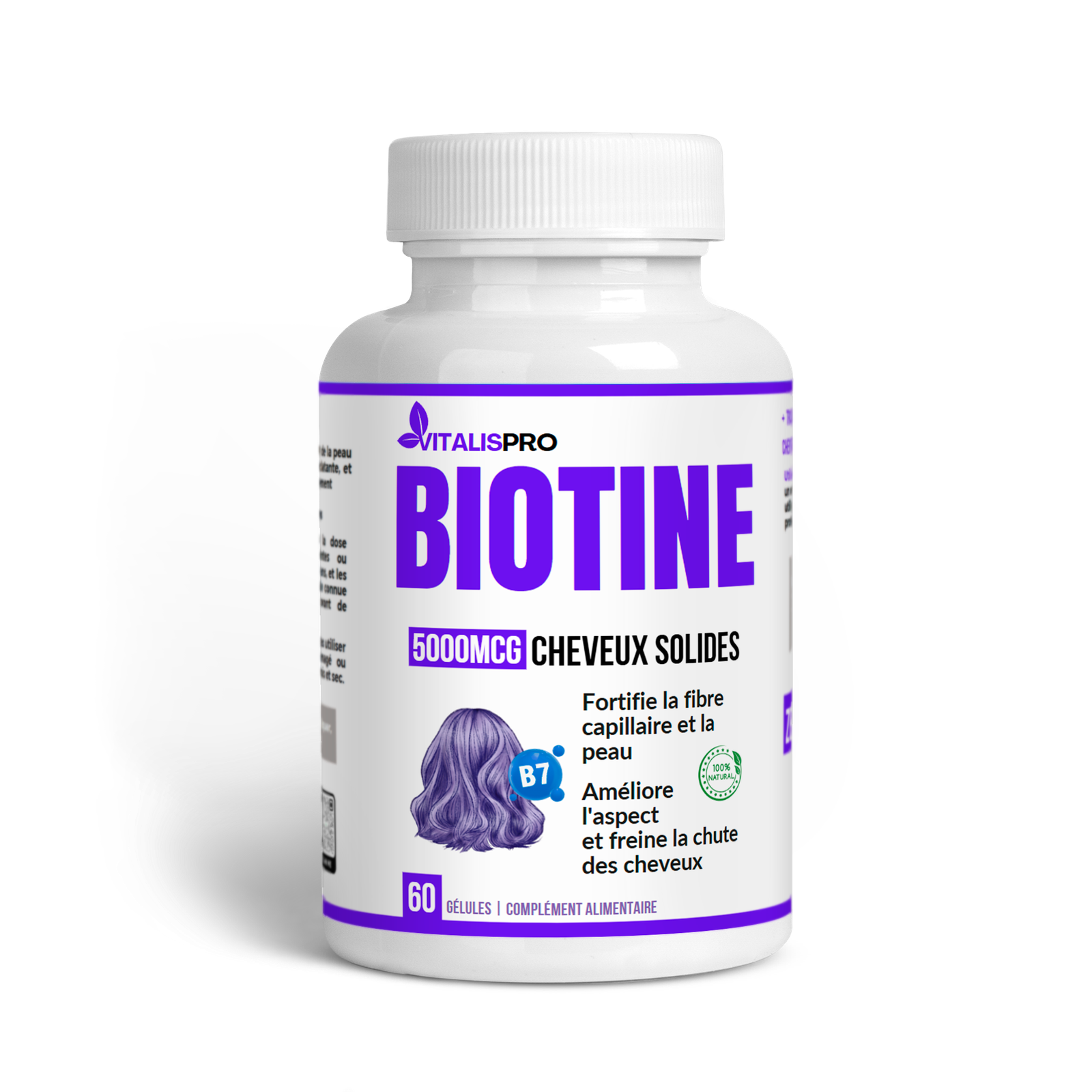
Biotin (vitamin B8, sometimes called B7 or vitamin H) is frequently associated with the beauty of skin and hair, and not without basis: EFSA recognises that biotin contributes to the maintenance of normal skin and to the maintenance of normal hair. It also takes part in normal energy-yielding metabolism and the normal functioning of the nervous system — established roles that explain its place in beauty-from-within routines.
An honest nuance must be added, however: biotin is not a miracle remedy for hair. Its clearest benefits concern situations of genuine deficiency, which are rather rare in a balanced diet. A review of the literature on the use of biotin for hair loss underlines precisely this distinction: the strongest data concern documented deficiencies, and caution remains warranted on generalised expectations.6 Hair health depends on multiple nutritional, hormonal and genetic factors.
The fair reading is therefore one of balance: biotin is an interesting ally within a broader beauty-from-within approach, alongside vitamin C and collagen, but it replaces neither a varied diet nor the fundamentals of a healthy lifestyle. It is in this spirit that VitalisPro offers its Biotin 5000 mcg: a clear, authorised intake, to be woven into a routine, not oversold as a single solution.
Beauty from within: the nutrition that shows

What you eat eventually shows on your skin. A diet rich in antioxidants (colourful fruit and vegetables), essential fatty acids (oily fish, nuts, olive oil), vitamin C and quality protein supplies the skin with the bricks it needs to renew itself. Add good hydration and enough sleep, during which skin cells regenerate, and you have laid the foundations that no box can replace.
Here, summed up in a table, are the great nutritional pillars of glow — not as a miracle shopping list, but as simple markers to weave into daily life:
| Pillar | Why it matters for the skin | Where to find it |
|---|---|---|
| Vitamin C | Contributes to normal collagen formation and protects cells from oxidative stress | Citrus, peppers, kiwi, parsley, strawberries |
| Quality protein | Provides the amino acids, the bricks of collagen | Pulses, eggs, fish, lean meats |
| Essential fatty acids | Support skin comfort and suppleness | Oily fish, nuts, seeds, olive oil |
| Varied antioxidants | Help protect cells against aggressions | Colourful fruit and vegetables, green tea |
| Hydration | Accompanies skin suppleness from within | Water throughout the day |
| Zinc | Takes part in the maintenance of normal skin | Seafood, pulses, seeds |
Notice that these pillars cost very little and are within everyone’s reach. This is a paradox worth pausing on: the strongest thing you can offer your skin is not a rare product, but small daily decisions. Supplements — collagen, vitamin C, biotin — come to complete this base for anyone who wants extra support consciously, not to replace it. You will find our full range in the shop.
The plate before the pill
There is a useful mental order here: the plate comes before the pill. A person who eats colourful fruit and vegetables most days, who cooks with olive oil and includes oily fish, and who drinks enough water, has already given their skin the greater part of what it needs to renew itself. In that context, a supplement is a small, deliberate addition — not a rescue. Conversely, no capsule can offset a diet that is thin on vegetables, heavy on ultra-processed foods, and short on water. This is not a reason to feel guilty; it is a reason to be honest about where the real leverage lies. We would rather you spend first on your groceries and your sleep, and only then, if you choose, on a clear supplement that fits neatly on top of solid habits.
The Moroccan table, at its best, already contains much of this wisdom. Vegetable-rich soups, salads dressed with olive oil, pulses, herbs, seasonal fruit and grilled fish are all part of a heritage that nourishes the skin quietly. Bringing that balance back to the centre of the plate — rather than importing a foreign “beauty diet” — is often the single most effective step. Supplements then become what they were always meant to be: a considered complement to a good foundation, never a substitute for it.
The habits that protect your glow
1. Sun protection, every day
This is rule number one, especially in Morocco. Sunscreen applied every morning is the most effective measure to protect your collagen and slow skin ageing. Make it automatic: like brushing your teeth, it is not up for debate.
2. Hydration, from within and from outside
Drink regularly throughout the day, and pair it with a moisturiser suited to your skin. Water does not “fill” wrinkles, but well-hydrated skin is more supple, more comfortable and looks more luminous.
3. Sleep, the most underrated free skincare
It is during sleep that skin cells renew themselves best. Consistent bedtimes and enough sleep do more for your complexion than many products. Chronic lack of sleep, by contrast, shows on the face.
4. Consistency, stronger than intensity
The best skincare is the one you keep up over time. A simple routine — water, sunscreen, a balanced diet, and, if you choose, a supportive element taken every day at the same moment — beats a complicated protocol abandoned after a week. Glow is a matter of consistency.
For any question about weaving these habits together or choosing a supplement, the VitalisPro team is available through our contact page; you can also meet the people behind the brand on our our team page.
Realistic expectations, precautions and limits
Respect for the reader means honesty about limits. Supportive elements — marine collagen, vitamin C, biotin — take part in the comfort and appearance of skin and hair within regular use, but they do not erase the passage of time and do not create instant miracles. Nutrition, sun protection, hydration and sleep weigh more than any box taken in isolation. Whoever looks for a single magic solution will be disappointed; whoever adopts a complete, lasting routine will notice a real difference over time.
On the precautions side, “natural” does not mean “for everyone in every circumstance.” A few situations call for caution:
- Allergy to fish or seafood: marine collagen is of marine origin; affected people should avoid it or seek the advice of a healthcare professional.
- Pregnancy and breastfeeding: it is advised to avoid supplements unless recommended by a healthcare professional.
- Children under 18: supplements are not intended for this group without supervision.
- Ongoing treatment or a medical condition: seek professional advice before starting; note that high-dose biotin can interfere with certain blood test results — flag it to your laboratory.
The golden rule: a supplement adds; it does not fix a real imbalance on its own and does not replace medical advice. Do not start several new supplements at the same time: introduce one element at a time, with enough time to observe, so you know what truly suits you. This calm, gradual approach protects your skin, your health and your wallet alike.
Stories from our readers
These are testimonials from people who reviewed their habits and added support from within to their routine; individual experiences that differ from one person to another, which we present as they are, without exaggeration:
“I first changed what was free: sunscreen every morning, more water, more vegetables. Then I added marine collagen in the evening. After a few weeks, my skin felt more supple and more luminous. No magic, but a difference I can feel.” — Nawal, Casablanca
“What I liked was the honest message: no promise of rejuvenation, just support within a routine. I have been taking vitamin C and collagen for two months, with a real effort on sleep, and I feel better in my own skin.” — Salma, Rabat
“Ordering was easy, payment on delivery, and the formula is clear and ONSSA-authorised. I appreciate being told the limits instead of being oversold. I reordered.” — Imane, Marrakech
Frequently asked questions about collagen and skin
Conclusion: glow is built, not bought in a single box
Collagen is the scaffold of the skin, and its natural production slows with age and under the effect of the sun. The best thing we can offer our skin is not a wonder product, but a consistent routine: daily sun protection, hydration, sleep, and a colourful, regular diet. This is the real “beauty from within”: daily, quiet, and free of noise.
Within this frame, supportive elements such as marine collagen peptides, vitamin C and biotin can complete the routine — with real benefits for the elasticity, hydration and appearance of skin and hair, presented honestly and without any guaranteed anti-ageing promise. If you choose to add them, choose a clear, authorised formula, such as Marine Collagen + Vitamin C and Vitamin C 500 mg by VitalisPro.
In the end, what distinguishes the aware consumer is the ability to discern: to know what science says and what it does not, to place the fundamentals before the add-ons, and to give the skin its fair time. If you leave this guide with that mindset, we have reached our goal — whether or not you choose our products.
Sources and methodology
This guide relied on a review of documented general scientific sources (PubMed databases), systematic reviews and published trials, in addition to official bodies such as the U.S. National Institutes of Health (NIH) and the European Food Safety Authority (EFSA). We committed to presenting results at their true size: encouraging signals are presented as signals, and no therapeutic or guaranteed “anti-ageing” effect was claimed. The health claims cited for vitamin C and biotin are those authorised by European regulation (EFSA). The information here is for health education, not for diagnosis or a medical prescription.
References
- U.S. National Institutes of Health (NIH) — Office of Dietary Supplements, “Vitamin C” fact sheet (role in collagen synthesis). ods.od.nih.gov
- Proksch E. et al. — Oral intake of specific bioactive collagen peptides reduces skin wrinkles and increases dermal matrix synthesis (2014). PubMed 24401291
- Proksch E. et al. — Oral supplementation of specific collagen peptides has beneficial effects on human skin physiology: skin elasticity (2014), Skin Pharmacol Physiol. PubMed 23949208
- Pullar J.M. et al. — The Roles of Vitamin C in Skin Health (2017), Nutrients. PubMed 28805671
- de Miranda R.B. et al. — Effects of hydrolyzed collagen supplementation on skin aging: a systematic review and meta-analysis (2021), Int J Dermatol. PubMed 33742704
- Patel D.P. et al. — A Review of the Use of Biotin for Hair Loss (2017), Skin Appendage Disord. PubMed 28879195
The information in this article is provided for informational purposes for health education, drawing on documented general scientific references (PubMed, NIH and EFSA), and is not a substitute for consulting a qualified healthcare professional. The glow products cited are food supplements that do not replace a varied, balanced diet or a healthy lifestyle, and are not intended to diagnose, treat, cure or prevent any condition. Do not exceed the recommended dose. Pregnant and breastfeeding women, children under 18, and people with medical conditions or ongoing treatments are advised to consult a professional before use. Marine collagen is of marine origin (fish). Keep out of the reach of children.
