


Wellbeing and natural balance
Morocco is a land of sun by any measure: it shines over our cities and countryside for most days of the year. At first glance, it seems only logical that each of us would enjoy an ideal level of vitamin D. Yet the reality is surprising: several studies show that a low level of this vitamin is more common than we assume, even in sunny countries. How does that happen? And why does this particular vitamin deserve our attention?
This guide from VitalisPro sells no fear and promises no miracle. In plain language and with verifiable sources, it explains how the body makes vitamin D through sunlight, why that mechanism can still fall short of the body’s needs under a bright sky, what research has observed about low levels in Morocco and the region, and how to support your level sensibly — within a balanced lifestyle, and without ever replacing the advice of a healthcare professional.
Let us set one principle from the start: living in a sunny country does not, on its own, guarantee good vitamin D status. Many factors — time spent indoors, clothing, sunscreen, the season, skin tone and age — all shape how much is actually produced. It is precisely by understanding these factors that we can act wisely, rather than trusting the climate alone.

محتوى الصفحة
- 1 In brief: what you will learn
- 2 In this guide
- 3 Why is vitamin D “the sunshine vitamin”?
- 4 The Moroccan paradox: why your level can drop despite the sun
- 5 What research observes in Morocco and the region
- 6 Immunity, bones and muscles: the roles of vitamin D
- 7 Vitamin D3 and K2: why the pairing interests research
- 8 Food sources of vitamin D
- 9 How to support your level wisely
- 10 Who deserves more attention? Precautions and limits
- 11 Stories from our readers
- 12 Frequently asked questions about vitamin D and the sun
- 13 Conclusion: the paradox and its wise solution
- 14 Sources and methodology
In brief: what you will learn
- Vitamin D is unusual: unlike most vitamins, the body can make it itself when the skin is exposed to the sun’s UVB rays — hence the nickname “the sunshine vitamin.”
- A low level stays common even in sunny countries: time indoors, covering clothing, sunscreen, the winter season, darker skin and older age all reduce cutaneous synthesis.
- According to the authorised health claims, vitamin D contributes to the normal function of the immune system, to the maintenance of normal bones and muscle function, and to the normal absorption of calcium.
- The D3 + K2 pairing interests researchers: vitamin D supports the normal absorption of calcium, while K2 takes part in directing it within the body.
- VitalisPro’s Vitamin D3 + K2 is an ONSSA-authorised food supplement, meant to fit inside a healthy lifestyle; when in doubt, a blood test with a healthcare professional remains the reference.
Why is vitamin D “the sunshine vitamin”?
Unlike most vitamins, which we must obtain from food, the body is able to make vitamin D itself when the skin is exposed to the sun’s ultraviolet B (UVB) rays. That is why it is nicknamed “the sunshine vitamin.” A compound present in the skin is converted, under these rays, into a form that the body then activates over several steps, notably in the liver and kidneys. This capacity makes vitamin D a special case in the world of nutrients.3
But this mechanism, elegant as it is, is shaped by many factors: the length of exposure, the angle of the sun (and therefore the time of day and season), skin tone, and the area of skin actually uncovered. When these conditions are not met, production can stay below the body’s needs, even under a generous sky. The sun is necessary, but it is not an automatic guarantee.
According to the MedlinePlus library (U.S. National Library of Medicine), vitamin D plays a role in several body functions, especially around calcium balance and bone health. European scientific authorities, through Regulation (EU) No 432/2012, have in fact approved specific health claims for this vitamin, which we detail further below.6
A nutrient the body stores
Another peculiarity: vitamin D is a fat-soluble vitamin, meaning it dissolves in fats and the body can build up reserves of it. That is why late-summer status is not the same as late-winter status: after several months of little sunlight, the reserves accumulated during the sunny season tend to run down. This seasonal dynamic partly explains why so many people see their level dip at the end of winter, a phenomenon observed even in the sunniest regions.
The Moroccan paradox: why your level can drop despite the sun
The paradox has perfectly logical explanations. The first: many of us spend most of the day indoors, at the office or at home, away from direct sunlight. The light coming through a window is not enough either, because glass filters out much of the UVB rays responsible for synthesis. One can thus live “in a land of sun” while being, in practice, very little exposed to it.
The second explanation is clothing: dress that covers much of the body — a natural cultural choice, and often welcome against the heat — mechanically reduces the area of skin exposed. The third: sunscreen, very useful for protecting the skin, at the same time limits vitamin D production, since it blocks precisely the rays involved.
Two biological factors add to this: skin tone and age. Darker skin, richer in melanin, needs a longer exposure time to make the same amount of vitamin D as lighter skin, because melanin acts as a natural filter. And as we age, the skin’s ability to synthesise the vitamin tends to decline. Finally, the season weighs heavily: in winter, the sun sits lower on the horizon, days are short, and we cover up more.3

Taken alone, each of these reasons seems minor. But added together — plenty of time indoors, covering clothing, sunscreen, a winter season and, sometimes, a darker tone or older age — they end up explaining why your level can be low even though you live in a sunny country. The paradox is no longer a paradox: it becomes a simple calculation of conditions.
“The sun outside says nothing about the sun your skin actually receives. Between walls, fabrics and the habits of modern life, the distance between a bright sky and your vitamin D production can be greater than you think.”
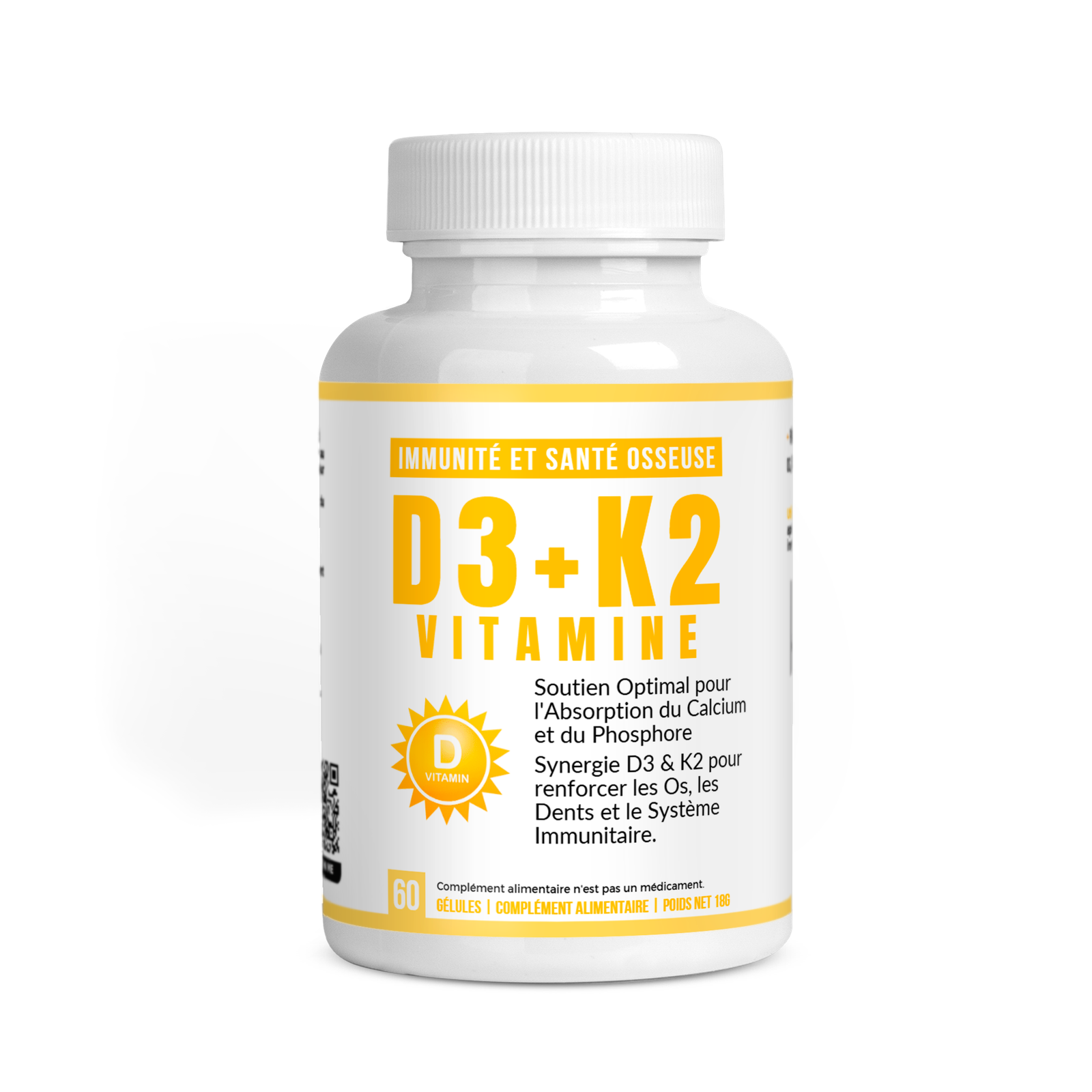
What research observes in Morocco and the region
This is not just an impression: the subject is documented. A review published in Osteoporosis International examined the vitamin D status of several populations, including the Moroccan population, both in their countries of origin and among communities living in Europe. It found that a low level of vitamin D was common there, including where sunlight is abundant — precisely because of the combination of factors described above.2
More recent work carried out in Morocco points in the same direction. A cross-sectional study among adults in southern Morocco, for example, examined vitamin D status and confirmed that an insufficient level could concern a notable share of the people studied, a reminder that a sunny climate alone is not enough to guarantee good status.5 These data are not there to alarm, but to understand: the regional context simply invites us not to take our level for granted.
A methodological point is needed here, in fairness: these studies describe population trends, not your personal case. They do not allow us to conclude that “everyone” lacks vitamin D, nor to guess your own level. The only way to know your status precisely remains a blood test requested by a healthcare professional. This article is educational: its aim is to help you ask the right questions, not to establish a diagnosis.
To place this information in a wider frame about the quality and control of supplements, you can read our page on quality and ONSSA authorisation, as well as our shop, which presents our full range dedicated to everyday wellbeing.
Immunity, bones and muscles: the roles of vitamin D
Vitamin D is often associated with bones alone, and that role is very real. According to the health claims authorised at European level, vitamin D contributes to the normal absorption and use of calcium, and to the maintenance of normal bones. It also takes part in the maintenance of normal muscle function. These precise, regulated wordings sum up what is recognised today.6
But research has broadened the picture beyond the skeleton. Vitamin D contributes to the normal function of the immune system, another recognised claim. This is what explains the interest it attracts especially in winter, when the sun grows scarce and seasonal challenges multiply. A review published in the journal Nutrients took stock of the links between vitamin D and immune function, underlining both the richness of the subject and the need to stay nuanced.4
It is important to understand that vitamin D is a supporting element within a wider system — one that includes zinc, vitamin C, sleep and a balanced diet — and not an isolated solution. Covering the body’s vitamin D needs is part of overall lifestyle care, planned across the whole year, not as a last-minute one-off gesture. It is this bigger-picture view that separates a serious approach from a hasty promise.
Let us finally recall a limit: these claims describe a contribution to the normal functioning of the body, in a person whose intake is adequate. They do not mean a supplement “treats” anything or replaces medical follow-up. Vitamin D accompanies the body’s balance; it is no substitute for a varied diet or for the advice of a healthcare professional.
Vitamin D3 and K2: why the pairing interests research
Interest in pairing vitamin D3 with vitamin K2 keeps growing. The scientific idea behind this duo is simple: the two vitamins act in a complementary way around calcium. While vitamin D contributes to the normal absorption of calcium in the intestine, vitamin K2 takes part in the mechanisms that direct that calcium toward its proper destination in the body. It is this complementarity that leads many modern formulas to bring them together in a single capsule, rather than taking them separately.
Still, the matter must be presented with measure: this reasoning rests on the known physiological roles of each vitamin, and research continues to explore the precise value of their combination. So we do not present the duo as a guaranteed promise, but as a coherent and increasingly studied approach, to be woven into a balanced lifestyle. For a general, reliable overview of vitamins and their roles, the MedlinePlus library offers an accessible summary.
In practice, the choice between a vitamin D3 alone and a D3 + K2 formula depends on your situation and, when in doubt, on the advice of your healthcare professional. What matters is to choose a clear, authorised formula whose dose is stated without ambiguity, rather than a product of uncertain origin whose real composition you do not know.
Food sources of vitamin D
Can you cover your needs from food alone? It is difficult, because the list of foods rich in vitamin D is short. The most generous are fatty fish — salmon, sardine, mackerel — followed by egg yolk and some mushrooms exposed to light. A few products are also industrially fortified with vitamin D.
The World Health Organization recalls the importance of dietary diversity within a balanced lifestyle. But we must stay clear-eyed: even a careful diet provides, for most people, a modest contribution compared with what the sun supplies in ideal conditions. That is why reasonable sun exposure, a varied diet and, if needed, a supporting intake together form a complete equation — none of these elements is enough on its own.
| Source | What it provides | In practice |
|---|---|---|
| Fatty fish (salmon, sardine, mackerel) | The most notable food source | Two to three servings a week |
| Egg yolk | A useful, accessible contribution | To include in a varied diet |
| Mushrooms exposed to light | A plant-based source | Alongside other foods |
| Fortified products | Added intake depending on the product | Check the label |
| Sun (reminder) | The main contributor in good conditions | Moderate, safe exposure |
This table highlights a simple reality: food takes part, but it rarely closes the gap on its own. Hence the value, for those who wish, of a clear and authorised supporting intake, to be considered after laying the fundamentals — reasonable exposure and a varied diet — and not in their place.
How to support your level wisely

The wisest strategy combines several elements, in the right order:
Step one: moderate, safe sun exposure
A few minutes of exposure on the arms and face, several times a week, in the gentle hours of the morning or late afternoon, avoiding the harsh midday sun. The aim is never to tan or to burn: moderation protects the skin while leaving the body room to work. The useful duration varies with skin tone, season and time of day; when in doubt, a healthcare professional can guide you.
Step two: a varied diet
Regularly include fatty fish and egg yolk, within a balanced plate rich in vegetables. This dietary base supports the whole body, well beyond vitamin D alone, and comes before any resort to a supplement.
Step three: a supporting intake, if needed and consciously
If you decide to add an intake, choose a formula with clear ingredients, authorised by ONSSA, at a dose stated without ambiguity. The golden rule: do not start on high doses without knowing your real level. More is not always better: it is balance that matters, not excess. When in doubt, or before any prolonged intake, a blood test requested by a healthcare professional remains the reference.
This gradual approach has a double advantage: it respects the body’s natural workings and it avoids hasty decisions. The possible benefit of an intake is built through consistency, over weeks, within a healthy lifestyle — never through a one-off dose meant to “catch up” months of neglect. For any question, the VitalisPro team is reachable through our contact page.
Who deserves more attention? Precautions and limits
Some profiles are more exposed to a low vitamin D level and deserve particular attention. This does not mean every person in these groups “lacks” vitamin D, but that vigilance and follow-up with a healthcare professional are more useful for them:
- Older adults: cutaneous synthesis tends to decline with age.
- People who spend most of their time indoors, away from direct sunlight.
- People with darker skin, who need a longer exposure time.
- Pregnant or breastfeeding women, whose needs rise; any intake is then decided with a healthcare professional.
A word on general precautions: vitamin D is fat-soluble, and the body stores it. It is therefore inadvisable to pile on high doses “just in case” without knowing your level, since excess brings no added benefit and makes no sense outside a defined framework. Respect the dose stated on the box, and do not combine several vitamin D sources without advice. Moderation, here again, is the safest line of conduct.
Finally, the golden rule: a supplement adds; it does not diagnose or treat any condition. At the slightest doubt, in case of ongoing treatment, pregnancy or breastfeeding, or for any question about your status, consulting a healthcare professional and a blood test remain the most reliable course. We are here to accompany you with a clear, authorised product, not to replace the doctor.
Stories from our readers
These are testimonials from people who reviewed their habits around the sun, diet and a supporting intake; individual experiences that differ from one person to another, which we present as they are, without exaggeration:
“I was convinced that, with our sunshine, I had nothing to worry about. After a test requested by my doctor, I realised I spent my days indoors. I adjusted my outings and added vitamin D3 in agreement with him. The approach is clear and honest.” — Nawal, Casablanca
“What I appreciated was the measured message: no magical promises, just support within a lifestyle. I chose the D3 + K2 formula, with reasonable morning sun exposure, and I feel reassured on this point.” — Karim, Rabat
“Ordering was simple, with cash on delivery, and the formula is clear and ONSSA-authorised. I like that it is transparent, without exaggeration. I reordered.” — Hafsa, Marrakech
Frequently asked questions about vitamin D and the sun
Conclusion: the paradox and its wise solution
The paradox we began with now finds its explanation: living in a sunny country does not, on its own, guarantee an ideal vitamin D level, because of indoor lifestyles, clothing, sunscreen, the season, skin tone and age. The wise solution brings together three axes: moderate, safe sun exposure in the gentle hours, a varied diet with fatty fish and eggs, and a supporting intake if needed, after knowing your level through a blood test.
Remember that vitamin D contributes to the normal function of the immune system, to the maintenance of normal bones and muscle function, and to the normal absorption of calcium; and that its pairing with K2 interests research around directing calcium. The most important thing is to avoid high doses without knowing your real status: it is balance, not excess, that is the goal. If you would like a clear, authorised intake, discover Vitamin D3 + K2 by VitalisPro.
In the end, what distinguishes the aware consumer is neither fearing the sun nor believing it all-powerful, but the ability to discern: to understand how the body makes vitamin D, to know the factors that hold it back, to lay the fundamentals before any intake, and to give the body the time and measure it deserves. If you leave this guide with that mindset, we have reached our goal — whether or not you choose our products. For direct contact, the VitalisPro team is available through our our team page.
Sources and methodology
This guide relied on a review of documented general scientific sources (PubMed databases), published studies, and official bodies such as the U.S. National Library of Medicine (MedlinePlus), the World Health Organization (WHO) and the European regulatory framework on health claims (Regulation EU 432/2012). We committed to presenting results at their true size: the claims cited describe a contribution to the normal functioning of the body, with no therapeutic promise whatsoever. The information here is for health education, not for diagnosis or a medical prescription.
References
- MedlinePlus (U.S. National Library of Medicine) — “Vitamin D”. medlineplus.gov
- van der Meer IM et al. — Prevalence of vitamin D deficiency across several populations, including Moroccan, in Europe and countries of origin: an overview (Osteoporos Int, 2011). PubMed 20461360
- Holick MF — Sunlight and vitamin D for bone health and prevention (cutaneous synthesis via UVB) (Am J Clin Nutr, 2004). PubMed 15585788
- Prietl B et al. — Vitamin D and immune function: a review (Nutrients, 2013). PubMed 23857223
- Vitamin D status in adults in southern Morocco: a cross-sectional study (Clin Lab, 2024). PubMed 39382922
- Regulation (EU) No 432/2012 — list of permitted health claims (vitamin D: immune system, bones, muscles, calcium absorption). eur-lex.europa.eu
The information in this article is provided for informational purposes for health education, drawing on documented general scientific references (PubMed, MedlinePlus, WHO, Regulation EU 432/2012), and is not a substitute for consulting a qualified healthcare professional. VitalisPro Vitamin D is a food supplement that does not replace a varied, balanced diet or a healthy lifestyle, and is not intended to diagnose, treat, cure or prevent any condition. Do not exceed the recommended dose. Pregnant and breastfeeding women, children under 18, and people with medical conditions or ongoing treatments are advised to consult a professional before use; when in doubt about your status, a blood test with a healthcare professional remains the reference. Keep out of the reach of children.
