


Wellbeing and informed choices
Every year the shelves of dietary supplements grow more crowded, and the advertising promises almost everything. Yet the question that truly matters to you is a simple one: how do you choose the supplement that suits you, when should you take it, and how do you avoid spending money on a product that will do nothing for you? This educational guide answers calmly and clearly, drawing on trustworthy references, and points you toward the right choice for your goal — with no magical promises.
This guide from VitalisPro does not sell you a miracle. Instead it explains, in plain language, how to judge a product’s quality, how to read a label without being misled, why the ONSSA authorisation matters, how to respect the correct dose, and how to spot the informal purchases that carry an unnecessary risk. The goal is that you leave with a simple method for deciding on your own, with full understanding.
Let us set out the principle that governs everything else from the start: a food supplement complements a balanced diet, it never replaces it, and it is not a medicine. Used well, it fills a specific gap once that gap is understood; chosen badly, it only lightens your wallet. That difference is exactly what we are going to learn to see together.
محتوى الصفحة
- 1 In brief: what you will learn
- 2 In this guide
- 3 Why turn to dietary supplements?
- 4 How to judge a supplement’s quality
- 5 How to read the label without being misled
- 6 When to take them and how to combine them
- 7 The Moroccan context: beware informal purchases
- 8 7 common mistakes to avoid
- 9 Safety: when to consult a professional
- 10 Stories from our readers
- 11 Frequently asked questions about choosing dietary supplements
- 12 Conclusion: what do we take from all this?
- 13 Sources and methodology
In brief: what you will learn
- A food supplement complements a balanced diet; it does not replace it and it is not a medicine.
- Quality is measured by the active substance, the documented dose, the transparency of the source and the ONSSA authorisation — not by the size of the promises.
- The label is the product’s identity card: composition, dose, expiry date, batch number and precautions should all appear clearly.
- The right timing and a considered combination raise the benefit (vitamin C, for example, supports iron absorption); it is best to start with a single supplement and observe.
- Safety first: consult a healthcare professional in case of pregnancy, breastfeeding, an ongoing treatment or a known condition; “natural” does not mean “risk-free.”
Why turn to dietary supplements?
The basic principle will never change: most of what we need should come from the plate. The World Health Organization reminds us that a varied diet, rich in vegetables, fruit and pulses, is the foundation of health. But daily life in Morocco imposes real gaps: a fast pace, irregular meals, a growing share of processed foods, and periods of stress, study and work that wear the body down.
Added to this are factors specific to our region. Despite the abundance of sunshine, vitamin D deficiency remains common, partly because of limited direct exposure and covering clothing; recent work in fact describes a widespread deficiency even in sun-rich countries.5 Likewise, iron deficiency — the leading cause of anaemia — particularly affects women. This is exactly where a supplement earns its place: to fill an identified gap, not to stand in for real food. Always keep in mind that a supplement is neither a replacement food nor a medicine.
There is also a broader shift worth naming. As the modern Moroccan plate leans more on refined, ready-made and quickly eaten food, some micronutrients quietly slip out of the daily diet even when calories are plentiful. A person can eat enough — or too much — and still fall short on specific vitamins or minerals. That is the paradox a good supplement is designed to address: not to add “more” in general, but to restore a precise element that a real, honest look at your habits shows to be missing. This is why the first step is never the box; it is an unflinching review of what you actually eat across an ordinary week, so that any supplement you add answers a real question rather than a vague worry.
A supplement fills a gap; it does not build the house
A simple image helps put the supplement in its proper place. Imagine your health as a house: the foundations are your diet, your sleep, your movement and your hydration. A supplement is neither the foundations nor the walls; it is, at best, a single brick placed where something is missing. Expecting a capsule to repair an unbalanced lifestyle is an illusion that always disappoints. Added consciously on solid ground, however, a supplement takes on its full meaning — and it is this mindset that we defend in every line.
How to judge a supplement’s quality
This is where the wise choice separates a product worth your money from one that offers nothing. Focus on four practical criteria, all easy to check before you even buy.
1. The active substance and the documented dose
Read first what the truly active component is, and at what standardised concentration. A serious supplement states the reference content of active compounds and their amount in milligrams per serving. The absence of these numbers is a warning sign: a product that does not say what it contains cannot prove its worth. The U.S. National Institutes of Health’s dietary supplement office (NIH Office of Dietary Supplements) explains well what to look for on a quality label.1
2. Transparency and source
A reliable product tells you where its ingredients come from and how it is made. Be wary of products that promise “instant” or “dramatic” results, or that hide their full ingredient list behind marketing phrases. Clarity is a sign of respect; vagueness is a sign of warning. At VitalisPro, we have made this transparency a principle: clear ingredients and declared concentrations, with no exaggerated promises.
3. Authorisation and conformity (ONSSA)
In Morocco, the marketing of food supplements is overseen by the National Office of Food Safety (ONSSA). Choose a product bearing clear details: an identifiable supplier, a batch number, an expiry date, and the address of a responsible party you can reach. These details are not formalities: they guarantee traceability and conformity. They matter all the more because the scientific literature regularly documents cases of supplement adulteration from unregulated channels — one more reason to prefer an authorised, monitored product.6
4. The form that suits you
Capsules, powder or liquid? Each form has its advantages. Capsules make precise dosing and transport easy; powder allows larger amounts and some flexibility. Choose what you will actually keep up with day to day, because the best supplement is the one you take consistently. A bottle forgotten at the back of a cupboard has never helped anyone.
The fair price: real value versus an inflated promise
One last habit, often overlooked: compare the price to the real value, not to the figure on display. A cheap product that is poor in active substance is expensive in truth, since it delivers almost nothing; conversely, an extract with a clear formula and an honest concentration gives you exactly what you think you are buying. So look at the amount of active per serving and the number of servings per box, rather than the box price alone. This logic of transparency is at the heart of how VitalisPro designs its products: to give you what you need clearly, without pushing you to stack up what you do not. One well-considered, authorised formula is always better than five obscure boxes bought in a hurry.
How to read the label without being misled
The label is the product’s identity card. Before buying, take thirty seconds to check five precise points on it:
- The ingredient list: the main component first, with its standardised concentration and its amount per serving.
- The recommended dose: the number of servings per day, and the amount in each serving.
- The expiry date and batch number: proof of genuine traceability and seriousness.
- The precautions: the groups the product is not advised for (pregnant and breastfeeding women, under-18s).
- The additional ingredients: fillers and colourings; the fewer, the better.
To go further, the dietary supplements page at MedlinePlus (the U.S. National Institutes of Health library) offers a reliable, neutral reference on what a good label should contain. Careful reading spares you many disappointments: it is here, far more than in the advertising, that a product is truly judged.
One trap deserves a special mention: the vague blend. Some labels list an impressive parade of plants and nutrients but bundle them under a single total weight, without telling you how much of each is actually inside. It looks generous, yet it may hide a formula where the headline ingredient is present in a token amount, with cheaper fillers making up the bulk. The honest alternative is a label that names each active component and its own amount per serving, so you can see for yourself whether the dose is meaningful. When a box hides those numbers, treat the silence as an answer: if a maker were proud of the doses, the maker would print them. Reading a label with this eye turns you from a passive buyer into someone who can tell substance from packaging.
For a calm introduction to how vitamins and supplements actually work in the body, this educational TED-Ed video offers a clear overview:
When to take them and how to combine them
The timing of a dose is not a detail. Some elements are absorbed better with food, while others are best taken in the morning or the evening:
- In the morning: supplements that support energy and vitality, such as moringa or spirulina.
- In the evening: what accompanies relaxation and calm sleep, such as magnesium.
- With food: fat-soluble elements (such as vitamin D) are absorbed better with a meal containing healthy fats.
A considered combination, in turn, raises the benefit. Vitamin C supports the absorption of plant-based iron, a synergy observed even in young women with low iron.7 Conversely, calcium and iron compete for absorption, so it is better to space them apart. Likewise, tea taken right after an iron-rich meal slows iron absorption; leaving about an hour between them clearly softens that effect.8 The golden rule stays simple: when you take several supplements, start with one, observe your response, then add the second gradually.

The Moroccan context: beware informal purchases
No advice on supplements can be judged outside its context, and the Moroccan market has its own character. Alongside the official channels, you find products sold through informal ones — market stalls, passing resellers, online purchases of unknown origin — with no clear details, no batch number, sometimes imported without any control at all. The problem is not only the price: it is the absence of traceability, which makes any guarantee about what the box really contains impossible.
An authorised supplement, by contrast, gives you an oversight guarantee that an informal product never will. It is in this spirit that VitalisPro offers products marketed according to the requirements of the Moroccan market and ONSSA regulation, with cash on delivery and delivery across all of Morocco, from Tangier to Dakhla, and a customer service that answers your questions. You can browse the full range in our shop and choose with confidence according to your goal.
7 common mistakes to avoid
Most disappointments with supplements come less from the product than from how it is used. Here are the seven most common mistakes, and the right habit to adopt each time:
| The mistake | Why it is a problem | The right habit |
|---|---|---|
| Expecting instant results | Most plant supplements act through consistency | Allow several weeks before judging |
| Exceeding the dose | “More” does not mean “better”; excess can harm | Stick strictly to the label |
| Irregular intake | Missed doses erase the cumulative benefit | Tie the dose to a daily habit |
| Ignoring drug interactions | Some supplements interact with treatments | Ask a healthcare professional |
| Being swayed by promises | Any product that promises a miracle deserves doubt | Look for evidence, not superlatives |
| Neglecting storage | Heat and humidity degrade the ingredients | Keep dry, away from light |
| Using it instead of a meal | A supplement is an addition, not a replacement | Keep a varied diet as the base |
Notice that none of these seven habits costs anything: they are about method, not spending. It is a useful paradox to keep in mind — what makes a supplement truly effective is not its price, but the quiet discipline with which you use it.
And to set supplements in a wider frame — whether we really need to rely on them, and when they are useful — this talk offers a thoughtful perspective:
Safety: when to consult a professional
Natural supplements are generally well tolerated at the recommended doses, but safety remains the priority. The safety guidance at MedlinePlus makes the point: a “natural” product is not automatically free of risk. Consult a qualified healthcare professional before any use in the following situations:
- Pregnancy or breastfeeding: as a precaution, unless advised by a healthcare professional.
- Ongoing treatments (blood thinners, diabetes, blood pressure, thyroid): some plants may interact with medication.
- A known condition or planned surgery: seek advice before starting.
- Children and people under 18: supplements are not intended for them without supervision.
Finally, the European Food Safety Authority (EFSA) governs the health claims permitted for supplements: it is a valuable reference for telling what is scientifically established from what is mere marketing. And a practical tip that is often forgotten: do not start several new supplements at the same time, or you will no longer know what helped you, what did nothing, or what may have caused any discomfort.
Stories from our readers
These are stories from people who adopted this approach: choosing a clear product, respecting the dose, and fitting it into a balanced lifestyle. Individual experiences that differ from one person to another, presented as they are, without exaggeration:
“I used to buy a bit at random, swayed by the ads. I learned to read the label and check the authorisation, and I started with one supplement at a time. The result: I spend less and I see far more clearly what actually helps me.” — Karim, Casablanca
“What reassured me was the honest message: no promise of a miracle, just support within a lifestyle. I have been taking spirulina in the morning for two months, alongside more balanced meals, and I feel more energetic.” — Nawal, Rabat
“Ordering was simple, with cash on delivery, and the formula is clear and ONSSA-authorised. I appreciate knowing exactly what I am taking; I reordered.” — Youssef, Agadir
Frequently asked questions about choosing dietary supplements
Conclusion: what do we take from all this?
Choosing a dietary supplement is not mysterious. It all comes down to a simple method: start from your goal, check the active substance and its dose, demand transparency and ONSSA authorisation, read the label, respect the timing and consistency, and keep safety as your compass. The rest — the dramatic promises, the stacked boxes, the informal purchases — is noise you can do without.
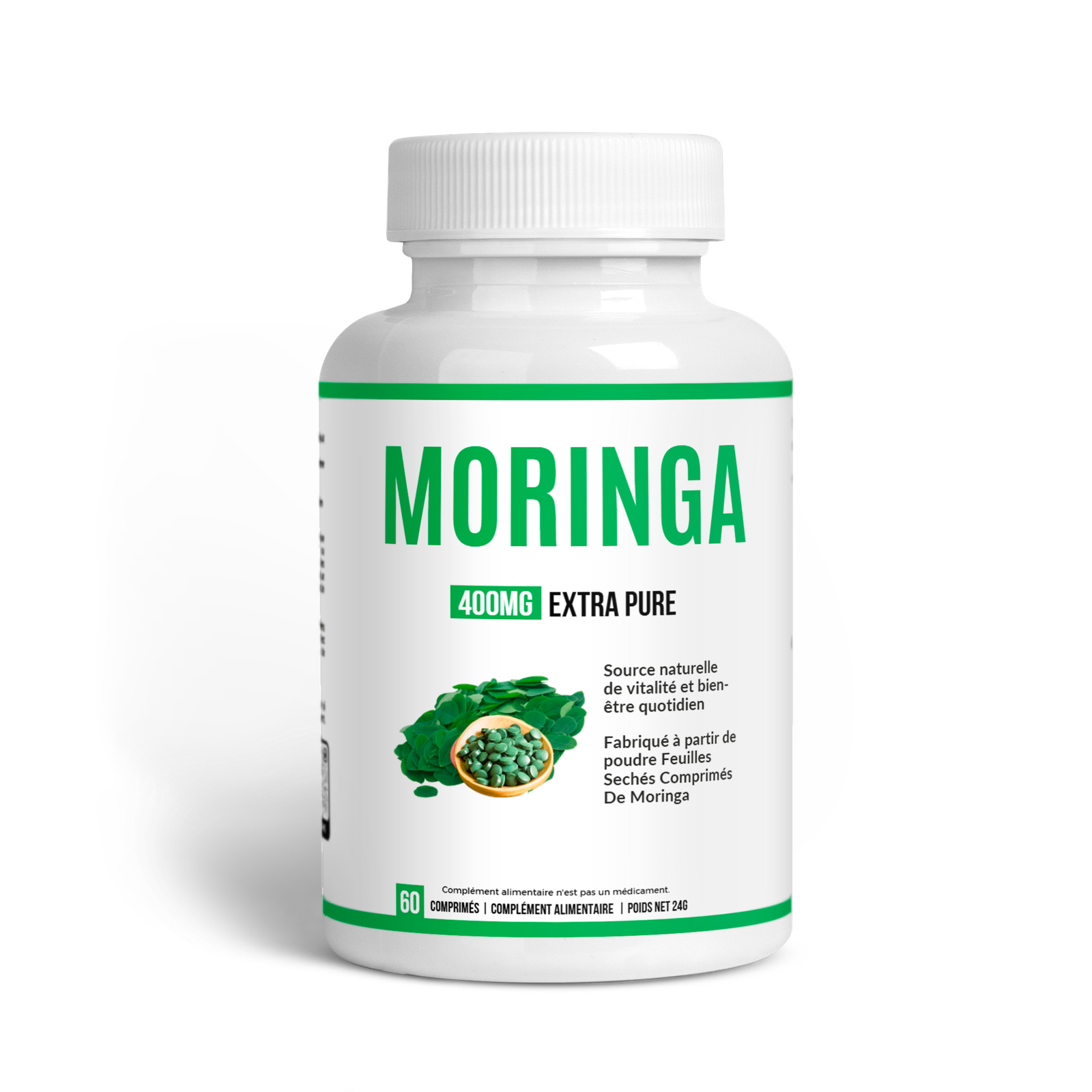
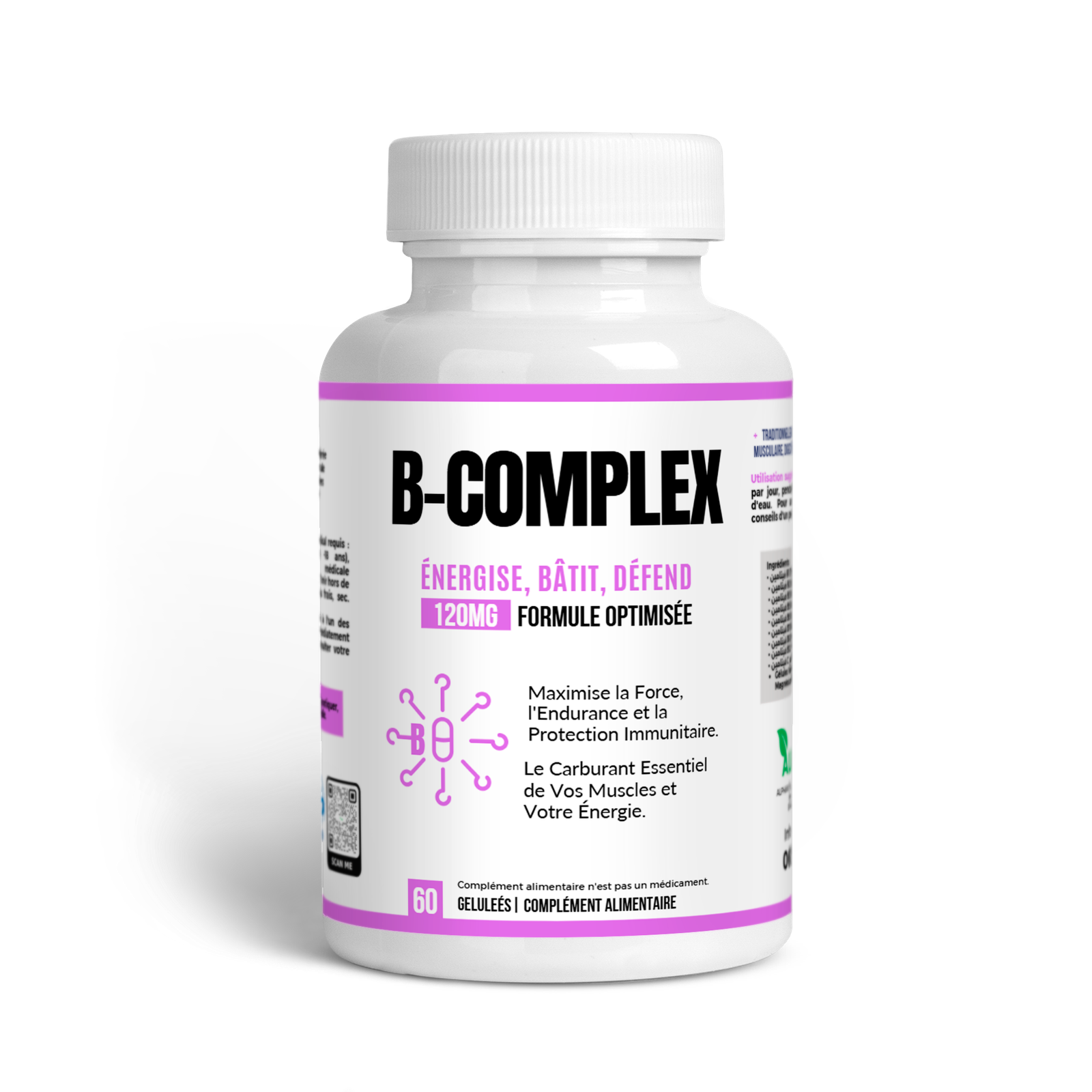
And above all, never lose sight of the founding principle: a supplement complements, it does not replace. It is added to a varied diet, enough sleep, movement and hydration — never in their place. If you choose to add support, opt for a clear, authorised formula from a transparent source, such as Moringa, Spirulina or B-Complex by VitalisPro.
In the end, what distinguishes the aware consumer is neither avoiding every supplement nor believing every promise, but the ability to discern: to know what science says and what it does not, to place the fundamentals before the add-ons, and to give the body its fair time. If you leave this guide with that mindset, we have reached our goal. For direct contact, the VitalisPro team is available through our contact page and our team page.
Sources and methodology
This guide relied on general, verifiable scientific sources (PubMed databases) and on official bodies: the dietary supplement office and the MedlinePlus library of the U.S. National Institutes of Health (NIH), the World Health Organization (WHO) and the European Food Safety Authority (EFSA). We committed to presenting the results at their true size: promising signals are presented as signals, not as definitive promises, and no therapeutic effect was claimed. The information gathered here is for health education, not for a diagnosis or a medical prescription.
References
- NIH Office of Dietary Supplements — dietary supplement fact sheets. ods.od.nih.gov
- World Health Organization (WHO) — “Healthy diet.” who.int
- European Food Safety Authority (EFSA) — food supplements and health claims. efsa.europa.eu
- MedlinePlus (NIH) — dietary supplements and safety. medlineplus.gov
- The non-conventional effects of hypovitaminosis D: a pandemic even in sunlight-rich countries (2024). PubMed 38813297
- Dietary supplement adulteration: laboratory approaches to risk mitigation (2025). PubMed 40700739
- Iron and vitamin C administered separately and iron status in young women: an intervention study (2022). PubMed 36231177
- A one-hour interval between a meal containing iron and tea attenuates the inhibition of iron absorption: a controlled trial (2017). PubMed 29046302
The information in this article is provided for informational purposes for health education, drawing on documented general scientific references (PubMed, NIH, WHO and EFSA), and is not a substitute for consulting a qualified healthcare professional. The VitalisPro team is not made up of healthcare professionals. Food supplements do not replace a varied, balanced diet or a healthy lifestyle, and are not intended to diagnose, treat, cure or prevent any condition. Do not exceed the recommended dose. Pregnant and breastfeeding women, children under 18, and people with medical conditions or ongoing treatments are advised to consult a professional before use. Keep out of the reach of children.
