


Men’s wellness and natural nutrition
Pumpkin seed oil has a quiet reputation. Men in Central Europe have taken it for generations, and in Morocco more and more of them are asking about it as the years start to show up at night: one more trip to the bathroom, then another. So what does pumpkin seed oil actually do? What have the trials measured, at what dose, and for how long? This guide sorts the solid findings from the wishful ones, so you can decide with clear eyes.
Search for pumpkin seed oil benefits and you will find long lists: prostate, bladder, heart, hair, skin, sleep, hormones. Some of these rest on human trials. Many rest on a single animal study, or on nothing more than repetition. That gap matters, because it shapes what you can reasonably expect from a capsule taken every day for months.
We will keep to one rule throughout: say what the research shows, say where it stops, and never dress up a food supplement as a medicine. Pumpkin seed oil is a plant oil with a distinctive profile, studied mainly for men’s urinary comfort. That is already a good reason to understand it properly.1
محتوى الصفحة
- 1 In brief: what you will learn
- 2 In this guide
- 3 What is pumpkin seed oil?
- 4 What is inside the oil
- 5 Pumpkin seed oil benefits: what the trials show
- 6 How pumpkin seed oil works
- 7 Whole seeds or oil capsules?
- 8 Dosage: how to take pumpkin seed oil
- 9 Precautions and side effects
- 10 Habits that work alongside it
- 11 Where to buy pumpkin seed oil in Morocco, and the price
- 12 Frequently asked questions about pumpkin seed oil
- 13 Conclusion: a steady habit, with realistic expectations
- 14 Sources and methodology
In brief: what you will learn
- Pumpkin seed oil is pressed from the seeds of Cucurbita pepo (and sometimes Cucurbita maxima). It is rich in unsaturated fatty acids, plant sterols and vitamin E compounds.
- Its best-documented use is urinary comfort in men whose prostate enlarges with age. A 12-month Korean trial used 320 mg of oil a day and saw symptom scores fall from the third month.
- The largest trial, GRANU (1,431 men), found that 10 g of whole seeds a day for a year helped more men than placebo. That is a handful of seeds, every single day.
- Results build over months, not days. A short trial run tells you very little.
- It does not replace a medical check-up. Blood in the urine, pain, fever or difficulty passing urine need a doctor, not a supplement.
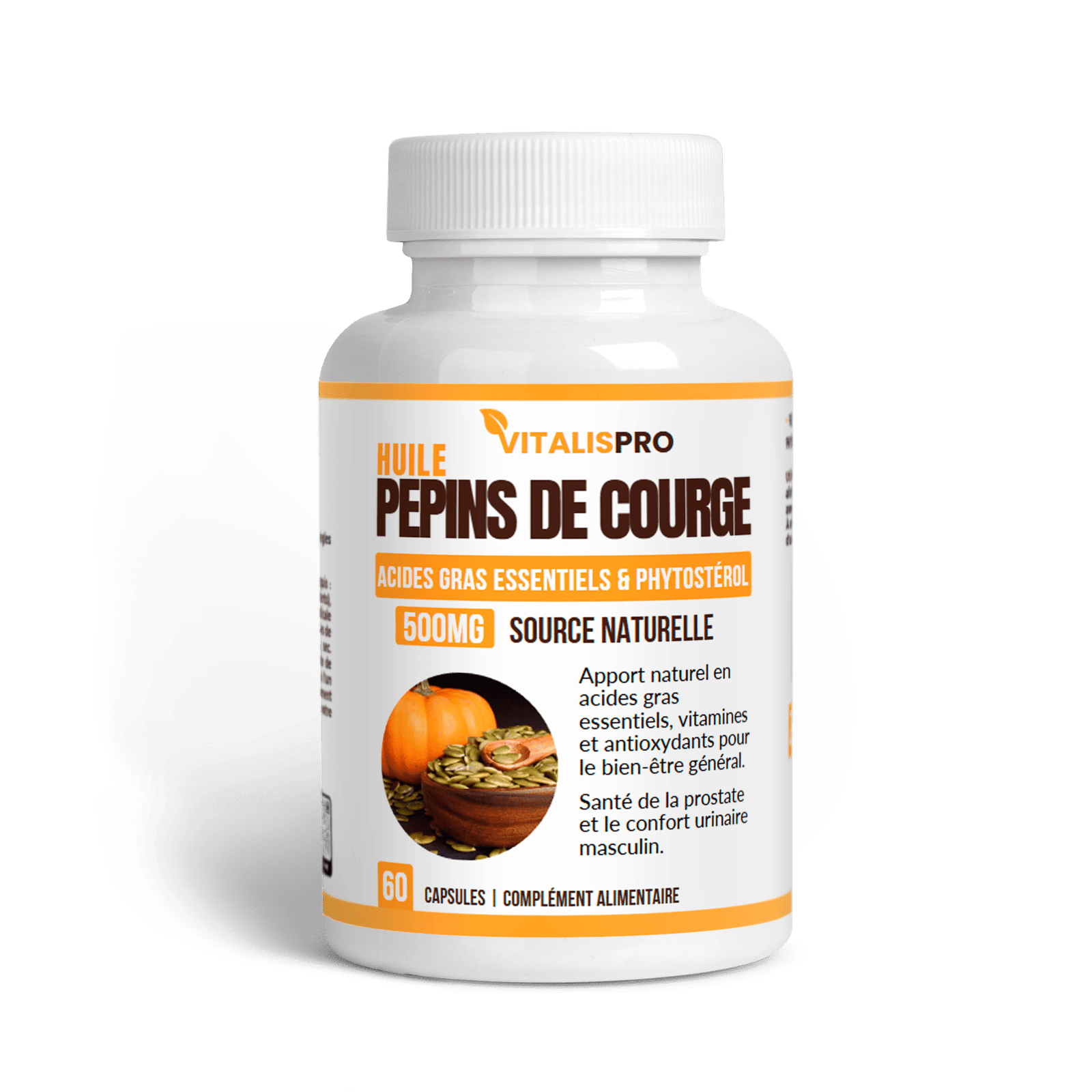
- VitalisPro Pumpkin Seed Oil comes as 60 capsules, at 1 to 2 capsules a day with a meal.
What is pumpkin seed oil?
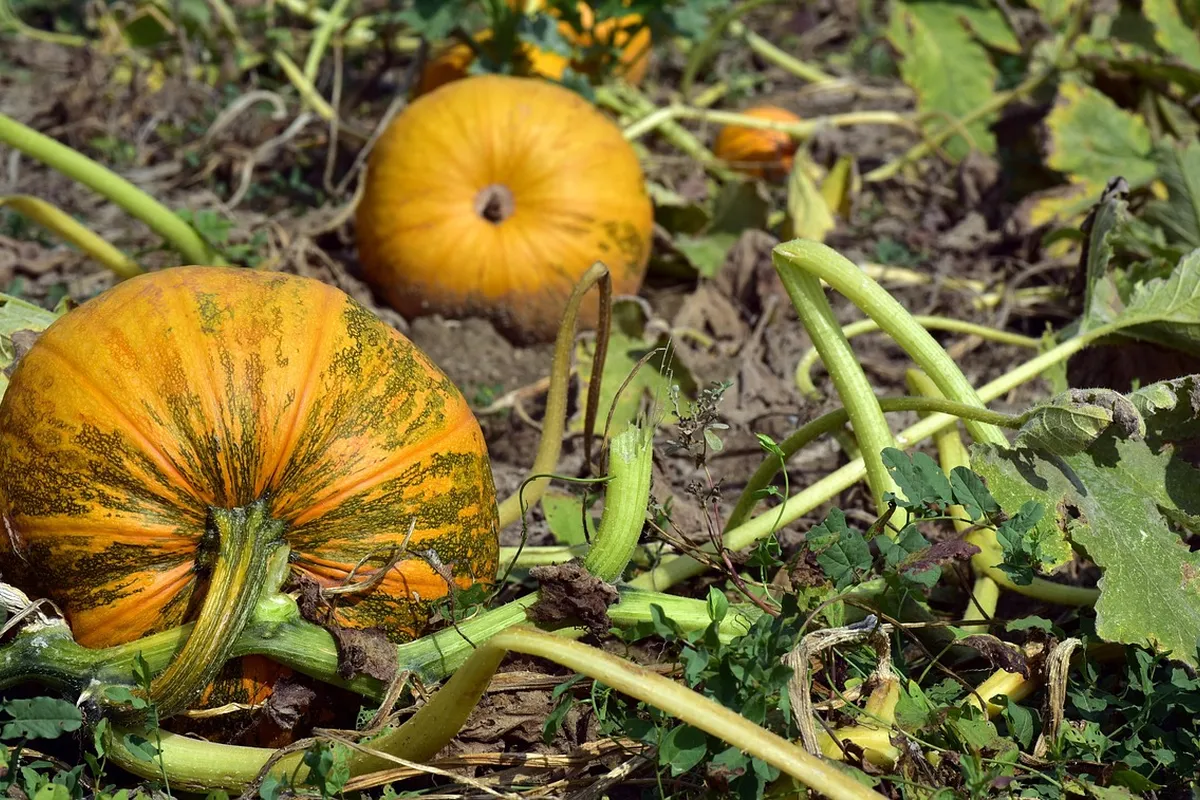
Pumpkin seed oil is the fat pressed out of pumpkin seeds. In Styria, in southern Austria, it is a kitchen staple: a thick, dark green oil with a nutty taste, drizzled over salads and soups. The variety grown there, the Styrian oil pumpkin, even has seeds without a hard shell, which makes pressing easier.
As a supplement, the oil is usually sealed into soft capsules. There is a practical reason for that. The unsaturated fats in the oil are fragile. Air, heat and light slowly oxidise them, which changes both the taste and the quality. A sealed capsule protects each dose until the moment you swallow it.
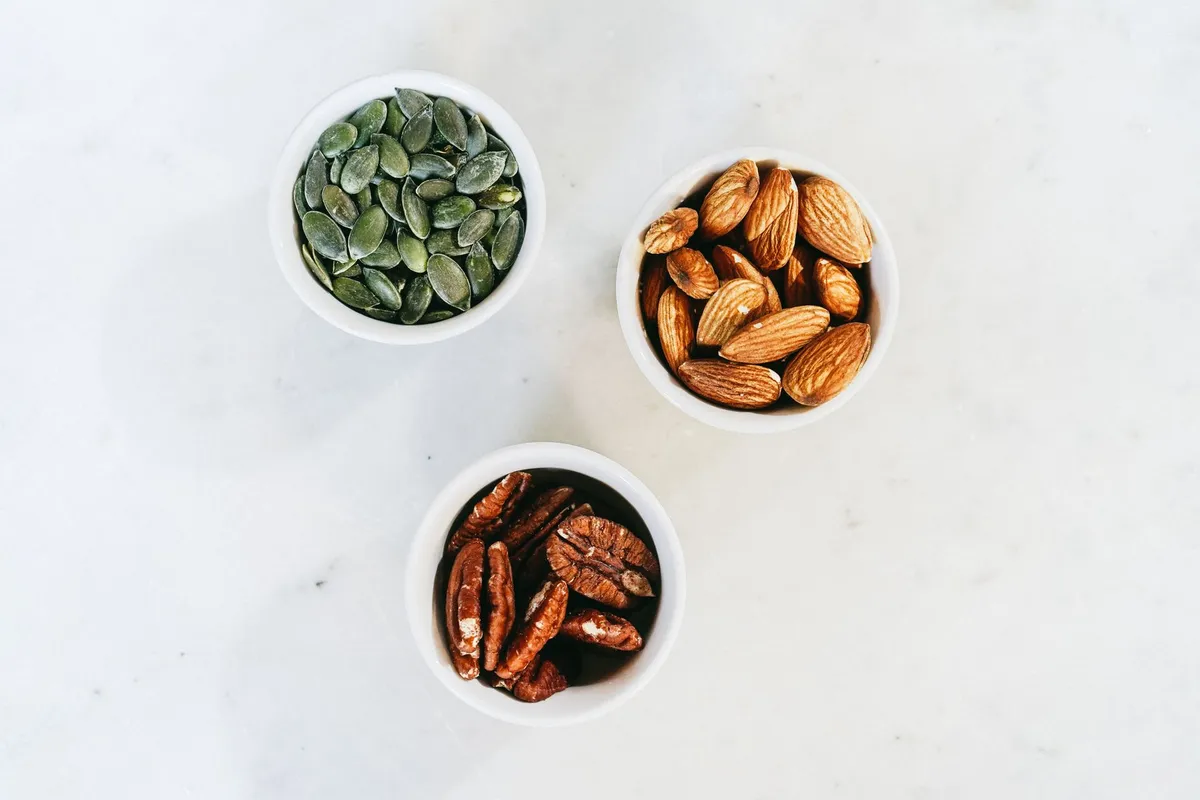
It is worth separating three things that often get mixed up online: the seed you can eat as a snack, the oil pressed from it, and extracts made with solvents to concentrate certain compounds. They are not the same product, and, as we will see, the research does not treat them as interchangeable.
A traditional use with a modern file
Pumpkin seeds have a long folk history for the bladder and the prostate, in Europe and in North America alike. That history is not proof. What makes the topic interesting is that it has since been tested in randomised trials, some of them large and long. The European Medicines Agency also keeps a herbal monograph on pumpkin seed, which recognises its traditional use for the urinary symptoms of an enlarged prostate, once a doctor has ruled out anything serious.5
What is inside the oil
Composition varies with the variety, the soil, the harvest and the pressing method, so beware of precise figures repeated without a source. A 2026 review of pumpkin seed research describes the main families of compounds.6
- Unsaturated fatty acids, mainly linoleic acid (an omega-6) and oleic acid (an omega-9). Together they make up most of the oil.
- Phytosterols, plant compounds whose structure resembles cholesterol. They are among the components most often discussed for the prostate.
- Tocopherols, the family of vitamin E compounds, which help protect the oil itself from oxidation.
- Carotenoids and other pigments, which give the oil its colour.
The whole seed also carries protein, fibre and minerals such as magnesium and zinc. Pressing separates the fat from most of the rest. So the oil is not “concentrated seed” in every sense: it concentrates the fat-soluble part, which is the part studied for urinary comfort. If you want to go further on the fatty acid family, our guide to omega-3 and essential fatty acids explains how these fats differ.
Pumpkin seed oil benefits: what the trials show
Let us take the claims one by one and look at what has actually been measured in people.
1. Urinary comfort in men: the strongest file
From around fifty, many men notice changes: a weaker stream, a feeling that the bladder never quite empties, waking at night to urinate. These symptoms often come from a benign enlargement of the prostate, which presses on the urethra. Doctors measure them with a standard questionnaire, the International Prostate Symptom Score (IPSS).
The Korean oil trial. In a 12-month randomised, double-blind, placebo-controlled study, 47 men with symptoms took either a placebo, pumpkin seed oil, saw palmetto oil, or both oils, each at 320 mg a day. In the oil groups, IPSS scores were lower than at baseline from the third month. Quality-of-life scores improved, and in the pumpkin seed oil group the maximum urinary flow was significantly better after six months. Prostate size did not change in any group, and combining the two oils brought no extra benefit.1
The GRANU trial. This German study is the largest so far: 1,431 men aged 50 to 80, followed for a full year. They received either whole pumpkin seeds (5 g twice a day), capsules of a pumpkin seed extract (500 mg twice a day), or a placebo. After 12 months, 58.5% of men in the seed group improved their IPSS by at least five points, against 47.3% with placebo, which the authors considered clinically relevant. The extract capsules, however, did not do better than placebo.2
We mention that last point on purpose. It shows that “pumpkin” on a label is not enough: what matters is what part of the seed you take, and in what form. GRANU tested a solvent extract, not an oil. The oil itself has its own evidence, led by the Korean trial above. And both studies say the same thing about time: the effect is measured over many months.
Pumpkin seed oil is not a quick fix. In every trial that found a benefit, men took it daily for three months at the very least.
2. An overactive bladder
A small Japanese study gave 45 adults with an overactive bladder 10 g a day of oil from Cucurbita maxima for 12 weeks. Their overactive bladder symptom scores fell significantly at six and twelve weeks.3 There was no placebo group, so the result is encouraging rather than conclusive. It does suggest the interest of pumpkin seed oil is not limited to the prostate.
3. Cholesterol and the heart: early signals
In a pilot trial, 35 postmenopausal women took 2 g of pumpkin seed oil or wheat germ oil a day for 12 weeks. The pumpkin seed oil group saw a rise in HDL (“good”) cholesterol and a fall in diastolic blood pressure.4 It was a small study, in women, and the authors themselves called for more research. Read it as a promising signal, not a heart treatment.
4. Hair, skin, sleep and hormones
You will find pumpkin seed oil recommended for almost everything. For hair, sleep, hormones or skin, human data is either scarce or too small to draw any conclusion. We would rather tell you that plainly than stretch the evidence to sell a capsule.
How pumpkin seed oil works
Researchers have not pinned down a single mechanism, and it is probably not one compound doing all the work. Three lines of explanation come up most often.
Phytosterols. These plant sterols are studied for their influence on the tissues of the prostate. Laboratory and animal work suggests they may interact with the pathways involved in prostate growth. In rats, for instance, pumpkin seed oil limited prostate enlargement induced by testosterone.7 Animal data like this explains why scientists became interested; it does not by itself prove an effect in men.
Fatty acids and antioxidants. The unsaturated fats and vitamin E compounds in the oil take part in the body’s normal management of inflammation and oxidative stress. That is a general property of good fats, not a magic feature of pumpkin.
The bladder itself. Some researchers think the oil may also act on how the bladder muscle behaves, which would fit the overactive bladder results. This hypothesis is still being explored.
Why nothing happens in the first week
Whatever the exact mechanism, the trials agree on the timeline. In the Korean study, the first measurable change came at three months; flow improved at six. In GRANU, the verdict came after twelve. A supplement like this works by accumulation, if it works for you at all. Expecting a change in a few days is the surest way to give up too early.
Whole seeds or oil capsules?
This is the question most readers have in mind, and it deserves a straight answer. Whole seeds have real evidence behind them: GRANU is the biggest trial on the subject. So why would anyone take a capsule instead?
Look closely at what GRANU asked of its participants: 5 g of seeds twice a day, every day, for a year. That is roughly a small handful morning and evening, without a break. Ask yourself honestly whether you would keep that up for twelve months. Most people eat seeds when they remember, in varying amounts, and stop after a few weeks.
That is where the capsule earns its place. It is the same plant, in a form built for the long run:
- Concentration. The oil gathers the fat-soluble compounds of the seed, the part studied for urinary comfort, in a small volume. The Korean trial worked with 320 mg of oil a day.
- Practicality. One or two capsules with a meal replace a daily handful you have to measure, carry and remember.
- Regularity. The dose is written on the box and is the same every day. With seeds, nobody really knows how much they ate.
- Duration. What you take without effort, you actually keep taking. And time, as every trial shows, is what produces the result.
None of this makes the seed a bad food. It is an excellent snack, and you can keep eating it. But if your goal is a steady routine for urinary comfort over several months, a capsule is simply easier to hold to.
Before and after
Before: you know pumpkin seeds are said to help, you eat some when you think of it, you never know how much, and the habit fades. After: one capsule with breakfast, a dose you can read on the box, a routine that lasts the three months it takes to judge. The bridge between the two is not a different plant. It is a different form of the same one.
Dosage: how to take pumpkin seed oil
There is no single official dose, because pumpkin seed oil is not a medicine. Trials used very different amounts, from 320 mg of oil a day in Korea to 10 g a day in the Japanese study. What matters most is to follow the dose on the product you use, and to keep at it.
For VitalisPro Pumpkin Seed Oil, the recommended intake is 1 to 2 capsules a day, with a glass of water, preferably during a meal. A box holds 60 capsules, which covers one to two months depending on your dose. A full routine usually runs two to three months.
Practical tips
- Take it with food. Fats are better tolerated, and better absorbed, alongside a meal.
- Tie it to a fixed moment. Breakfast or lunch, the same every day, so you do not forget.
- Do not double up to “speed things up”. It will not, and the recommended dose exists for a reason.
- Give it three months before you judge, and note how many times you wake at night at the start, so you have something real to compare.
- Look after the basics: drink enough during the day, cut down on fluids and coffee in the evening, and stay active.
Can you combine it with other plants?
Pumpkin seed oil is often paired with saw palmetto and nettle, two other plants studied for men’s urinary comfort. In the Korean trial, combining pumpkin seed oil with saw palmetto oil did not add extra benefit over each oil alone.1 Some men still prefer a broader routine. That is the idea behind the VitalisPro Prostate Pack, which brings saw palmetto, nettle and pumpkin seed oil together.
Precautions and side effects
In the trials discussed here, pumpkin seed products were well tolerated.2 Mild digestive discomfort is possible, especially if you take the capsules on an empty stomach. Still, a few precautions apply.
See a doctor first, not after
Urinary symptoms in men are common and usually benign, but the same symptoms can sometimes point to something that needs medical care. Before you start any supplement, see a doctor if you have:
- blood in your urine or semen;
- pain or burning when you urinate, or fever;
- a sudden inability to pass urine;
- symptoms that worsen quickly, or that wake you many times every night.
A doctor can check your prostate and, where appropriate, order a PSA blood test. A supplement must never delay that visit. The EMA monograph itself makes this point: traditional use only makes sense once serious conditions have been ruled out.5
If you take medication
If you already take a treatment for your prostate, your blood pressure, your blood sugar or your blood clotting, tell your doctor or pharmacist before adding pumpkin seed oil. Never stop or change a prescribed treatment on your own.
Other situations
- Allergy to pumpkin or other gourds: avoid it.
- Pregnancy and breastfeeding: there is not enough data, so ask a professional first.
- Children and teenagers: this product is designed for adults.
Good general advice on supplements, from the US National Center for Complementary and Integrative Health, sums it up well: natural does not always mean safe, and your healthcare providers should know everything you take.8 Our own guide on how to choose and use dietary supplements safely goes through the same reflexes.

Habits that work alongside it
Pumpkin seed oil is one piece of a bigger picture. The habits below cost nothing and support urinary comfort in their own right.
- Spread your drinks through the day. In Morocco’s heat, cutting water is not an option. Drink well in the morning and afternoon, and less in the two hours before bed.
- Watch the evening tea and coffee. Caffeine stimulates the bladder. A last glass of mint tea late at night often means a trip to the bathroom later.
- Move every day. Walking thirty minutes is enough to make a difference to general health, weight and circulation.
- Do not hold on too long. And take your time to empty the bladder fully.
- Keep a simple diary for a week: when you drink, when you wake at night. It will help both you and your doctor.
For a wider look at energy and health after forty, read our guide to men’s vitality and natural support.
Where to buy pumpkin seed oil in Morocco, and the price
Pumpkin seed oil is easy to find as a cooking oil, but kitchen oil and capsules are not the same thing. A bottle opened every day meets air and light again and again, and its fragile fats degrade. A capsule seals each dose. When you compare products, look for a clear dose on the box, the plant’s name (Cucurbita pepo), a seller you can actually contact, and reasonable promises. Our guide on choosing a food supplement you can trust covers these checks in detail.
VitalisPro Pumpkin Seed Oil comes in a box of 60 capsules, currently at 135 DH instead of 250 DH. You pay cash on delivery, anywhere in Morocco, and you have a 30-day money-back promise if it does not suit you. Since a full routine runs two to three months, many men order two boxes or more at once so the routine is not interrupted.

Frequently asked questions about pumpkin seed oil
Conclusion: a steady habit, with realistic expectations
Pumpkin seed oil is a plant oil rich in unsaturated fats, phytosterols and vitamin E compounds. Its clearest use is men’s urinary comfort, backed by a 12-month trial of the oil and by the large GRANU trial on whole seeds. Signals for the bladder and for HDL cholesterol are interesting but still early. Claims about hair, hormones or sleep run ahead of the evidence.
If you decide to try it, choose a clear dose, take it with a meal every day, and give it three months. Keep your medical check-ups, especially past fifty. Used that way, pumpkin seed oil is not a promise, it is a sensible habit, and you will know at the end whether it helps you. Any question? The VitalisPro team answers through our contact page.
Sources and methodology
This guide draws on peer-reviewed studies indexed in PubMed and on the European Medicines Agency’s herbal monograph. Each PubMed reference was checked against the National Library of Medicine database before publication.
- Hong H, Kim CS, Maeng S. Effects of pumpkin seed oil and saw palmetto oil in Korean men with symptomatic benign prostatic hyperplasia. Nutr Res Pract, 2009. PubMed 20098586
- Vahlensieck W, et al. Effects of pumpkin seed in men with lower urinary tract symptoms due to benign prostatic hyperplasia in the one-year, randomized, placebo-controlled GRANU study. Urol Int, 2015. PubMed 25196580
- Nishimura M, et al. Pumpkin seed oil extracted from Cucurbita maxima improves urinary disorder in human overactive bladder. J Tradit Complement Med, 2014. PubMed 24872936
- Gossell-Williams M, et al. Improvement in HDL cholesterol in postmenopausal women supplemented with pumpkin seed oil: pilot study. Climacteric, 2011. PubMed 21545273
- European Medicines Agency. Herbal monograph: Cucurbitae semen (pumpkin seed). ema.europa.eu
- Kassa MG, et al. Phytochemical composition, health benefits, functional properties, and food applications of pumpkin seeds. Food Sci Nutr, 2026. PubMed 42110205
- Gossell-Williams M, et al. Inhibition of testosterone-induced hyperplasia of the prostate of Sprague-Dawley rats by pumpkin seed oil. J Med Food, 2006. PubMed 16822218
- National Center for Complementary and Integrative Health. Using dietary supplements wisely. nccih.nih.gov
The information in this article is provided for informational purposes, based on documented scientific sources (PubMed, EMA, NCCIH), and is not a substitute for a consultation with a qualified healthcare professional. The VitalisPro editorial team does not include healthcare professionals. Pumpkin seed oil is a food supplement: it does not replace a varied, balanced diet or a healthy lifestyle, and it is not intended to diagnose, cure or prevent any disease. Do not exceed the recommended dose. If you are pregnant or breastfeeding, under 18, on medication or living with a medical condition, ask a professional before use. Keep out of the reach of children.
