


Digestive wellbeing and natural balance
Scientists sometimes describe the gut as our “second brain,” and it is not an exaggeration. Inside your intestines live trillions of micro-organisms that make up what we call the gut microbiome (or gut flora). They take part in your digestion, your energy and your sense of wellbeing, through mechanisms that science is only beginning to map. When the balance of this inner world is disturbed, you may feel bloating, heaviness or discomfort after meals. The good news: simple daily habits support that balance.
This guide from VitalisPro does not promise you any miracle cure. In plain language and with sourced references, it explains how the gut microbiome works, what the words fibre, prebiotics, ferments and fermented foods really mean, and above all which everyday habits contribute to digestive comfort within a balanced lifestyle. The goal is that you leave with a solid understanding and concrete steps, not with advertising noise.
Let us set a principle from the start: gut health does not hinge on a single magic food, but on the diversity of what you put on your plate and the consistency of your habits. Neither a “shock cleanse” nor an express “flush”: your gut mostly needs a stable, nourishing environment for its flora to thrive. It is within this realistic frame that we will honestly place the question of supplements.
محتوى الصفحة
- 1 In brief: what you will learn
- 2 In this guide
- 3 What is the gut microbiome, and why does it matter?
- 4 What disturbs the balance of the gut flora
- 5 Prebiotics and ferments: what is the difference?
- 6 Fibre: your microbiome’s favourite fuel
- 7 Fermented foods: a traditional treasure
- 8 The gut-brain axis: why stress affects digestion
- 9 Diversity: the key to a resilient microbiome
- 10 A simple daily routine for a calmer gut
- 11 Precautions, limits and when to seek advice
- 12 Stories from our readers
- 13 Frequently asked questions about gut health
- 14 Conclusion: what do we take from all this?
- 15 Sources and methodology
In brief: what you will learn
- The gut microbiome is the community of micro-organisms living in your intestine; it helps digest fibre, produce certain vitamins, and support the body’s overall balance.
- A diverse, balanced microbiome often goes hand in hand with better digestive comfort: the key is the variety of plants on your plate, not a single food.
- Fibre and prebiotics (garlic, onion, banana, oats, pulses) are the “fuel” of the helpful micro-organisms; fermented foods bring in living ferments.
- The fundamentals — plant variety, gradual fibre, hydration, movement, sleep and stress management — matter far more than any single supplement.
- VitalisPro’s Probiotics and the Moringa + Probiotics Pack are ONSSA-authorised food supplements, meant to fit inside a balanced lifestyle and diet. They are not medicines and not a substitute for a varied diet.
What is the gut microbiome, and why does it matter?
The gut microbiome is the vast community of bacteria and other micro-organisms that inhabit your intestine. These residents are not mere passengers: they are active partners. They help break down the fibre your body cannot digest on its own, take part in producing certain vitamins, and play a role in the normal working of the body’s defence system, a large share of which is housed in the gut wall. When this community is diverse and balanced, digestion tends to run smoothly.
We are talking about an ecosystem of striking richness: trillions of micro-organisms, belonging to hundreds of different species, living all along the digestive tract. Research has shown that a healthy microbiome depends largely on dietary diversity: the more varied your plate is in plants, the more likely your flora is to be diverse and stable itself.2 This is one of the most robust and useful messages of recent science.
The World Health Organization highlights the importance of dietary fibre within a balanced diet — precisely the element that the helpful microbiome feeds on. Looking after your gut, then, is not chasing a trend: it is a return to solid dietary principles that our grandmothers already knew by instinct.
A simple image to understand
Picture an inner garden. If you water it only with sugar and ultra-processed foods, only a few “weeds” thrive and the soil grows poor. If you feed it a variety of plants — vegetables, fruit, pulses, whole grains — a rich, balanced flora takes root. Your role is not to “disinfect” this garden, but to give it living, diverse soil. This is exactly the philosophy we defend: nourish, rather than force.
What disturbs the balance of the gut flora
Several features of modern life can affect the balance of the microbiome. The first is a diet low in fibre and high in ultra-processed foods and fast sugars, which starves the helpful micro-organisms of their food. Add to this chronic stress, which acts on gut motility, lack of sleep and a sedentary lifestyle. Even insufficient hydration plays a part, since the gut needs water to function smoothly.
This is not about guilt, but about awareness. None of these factors, on its own, “breaks” your microbiome overnight; it is their accumulation over time that counts. And the mirror-image good news is that small, regular adjustments are often enough to set the balance back in motion. Awareness is the first step toward better digestive comfort.
“You do not build a balanced gut flora in a day, and you do not destroy it in a single meal either. It is the quiet repetition of good habits, week after week, that makes the difference. Consistency beats intensity.”

Prebiotics and ferments: what is the difference?
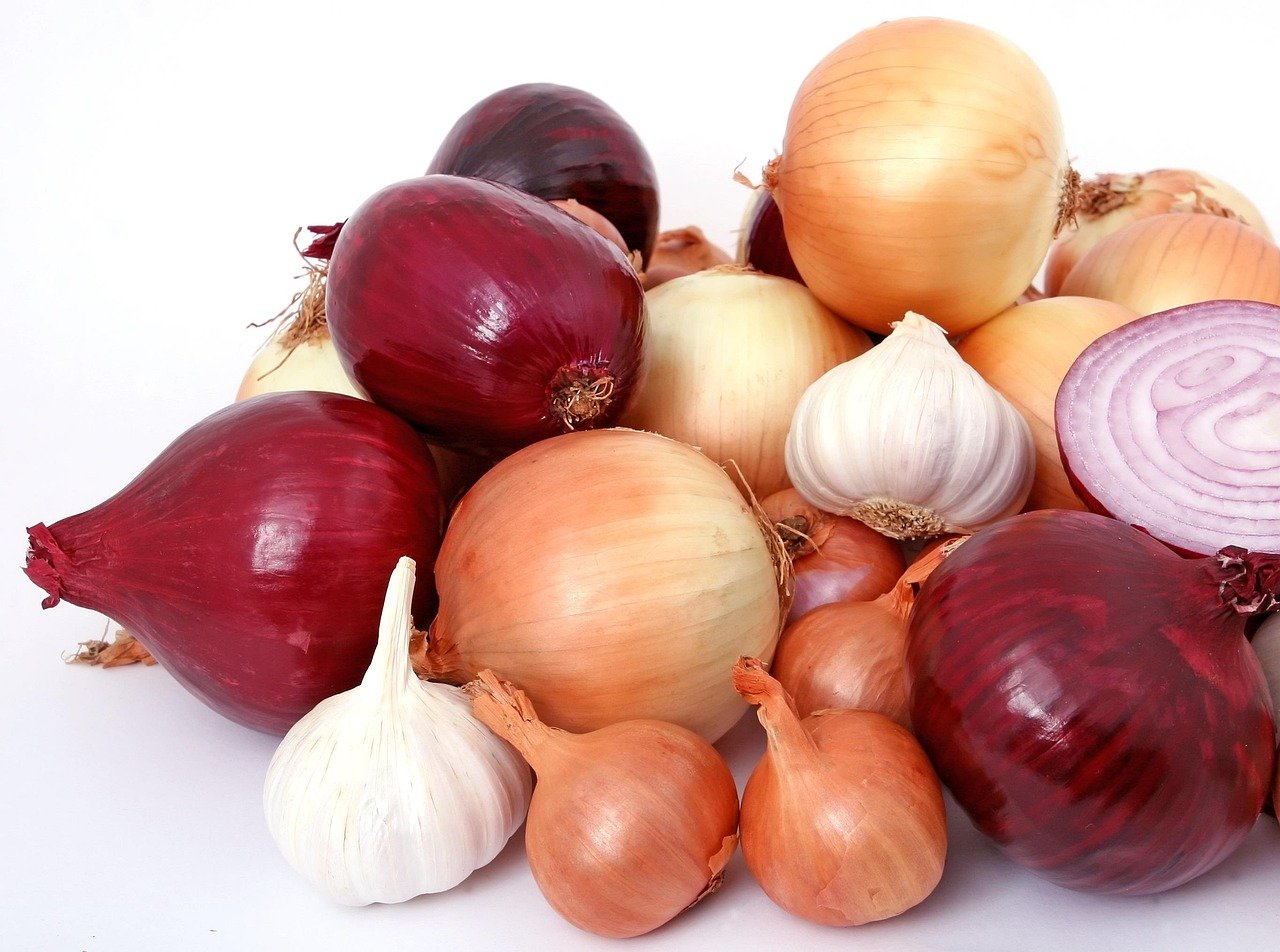
These two words are often confused, but the distinction is simple. Ferments (the living micro-organisms) are found in fermented foods, such as traditional fermented milk and certain fermented preparations, as well as in some food supplements. Prebiotics, by contrast, are the particular fibres that these micro-organisms feed on: they are found in garlic, onion, leek, slightly unripe banana, oats and pulses.
A reference definition was proposed by an international expert consensus: a prebiotic is a substrate that is selectively used by the host’s micro-organisms to confer a benefit.4 In plain terms, and without jargon: ferments are the useful “residents,” and prebiotics are their “food.” Supporting both together contributes to a microbiome that thrives within a balanced diet.
For a short, plain-English introduction to how the food you eat affects your gut, this educational TED-Ed video is a good starting point:
Fibre: your microbiome’s favourite fuel
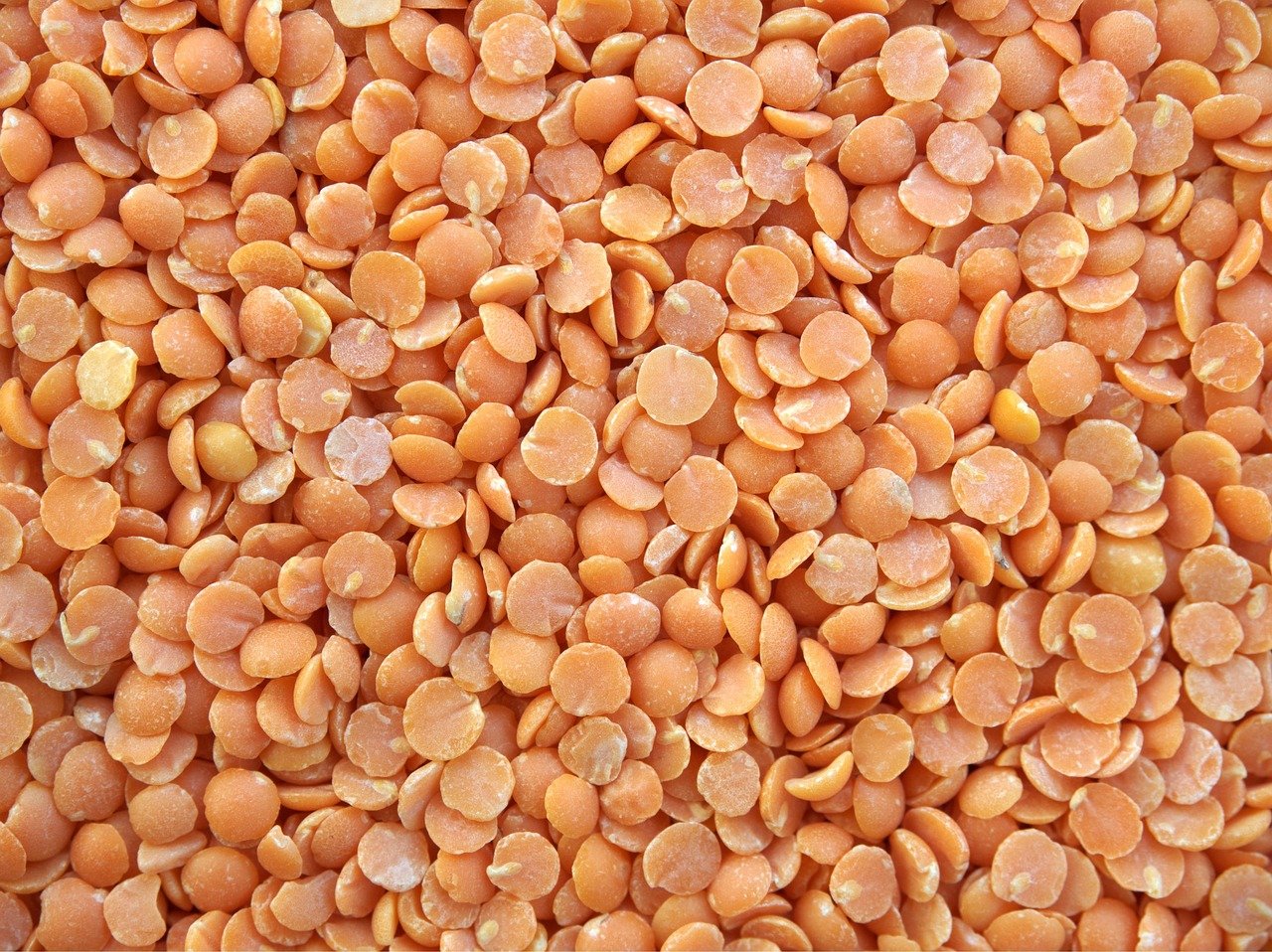
If there is one element to remember, it is fibre. When you eat the fibre in vegetables, pulses and whole grains, you are not only feeding yourself: you are also feeding the trillions of helpful micro-organisms in your gut. They ferment the fibre to produce beneficial compounds that support the gut lining. A reference review detailed just how strongly dietary fibre shapes the composition and balance of the microbiome.3
A concrete goal: make your plate colourful and varied, introduce pulses (lentils, chickpeas, fava beans) several times a week, and increase fibre gradually while drinking enough water, giving your gut time to adjust and avoiding bloating. To go deeper on fibre and its sources, the MedlinePlus medical encyclopaedia (U.S. National Library of Medicine) offers a reliable reference.
Alongside the fibre on your plate, some traditional plants naturally concentrate fibre and nutrients. VitalisPro’s Moringa 400 mg, for example, is a plant valued for its fibre content and nutritional richness, to be included in a balanced diet. Here too, the logic stays the same: the plant accompanies a solid base, it does not replace it.
Fermented foods: a traditional treasure

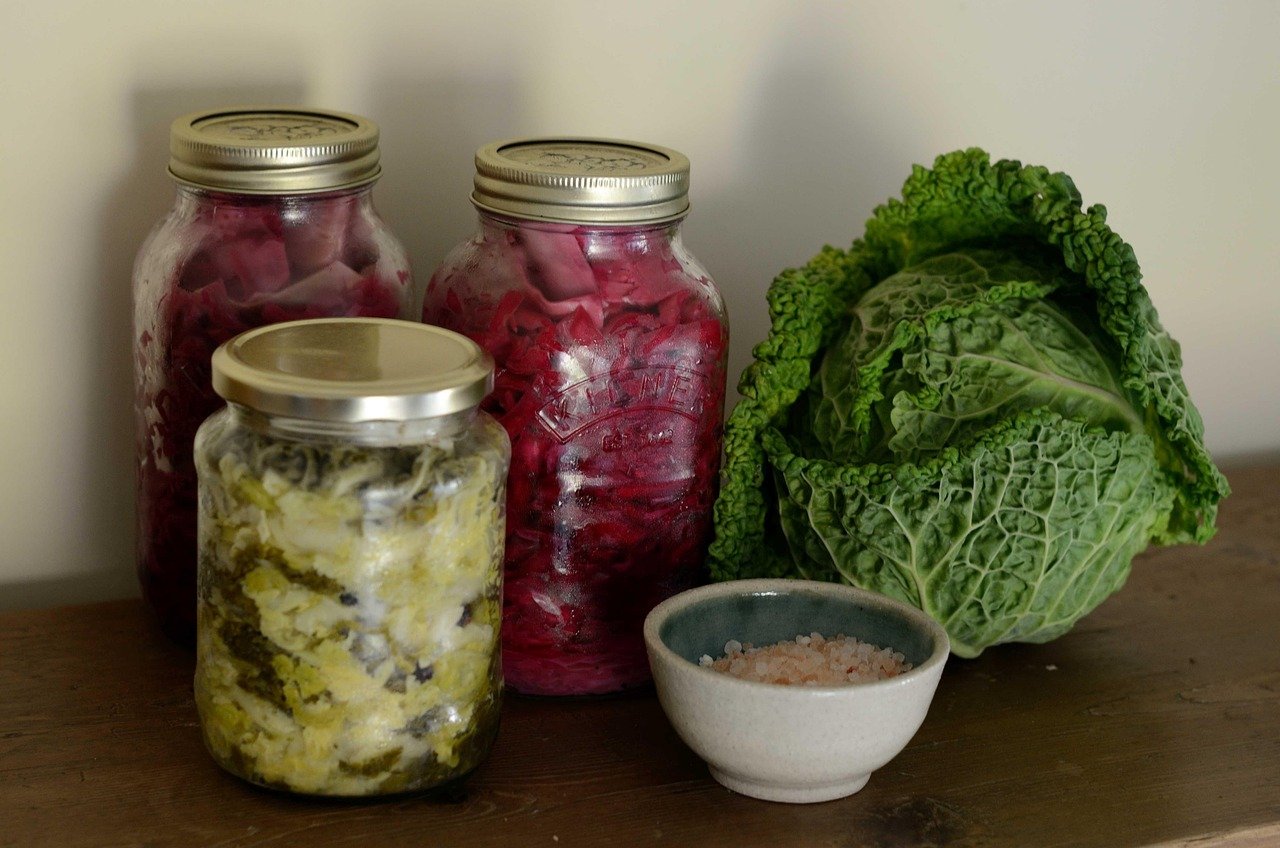
Cultures around the world, including Moroccan and Arab culture, have known fermented foods for centuries, long before modern science studied their value. Fermentation is a natural process that produces ferments and enriches food with useful compounds. Traditional fermented milk (such as lben) and home-fermented preparations are among these foods that bring micro-organisms to the gut.
Research is paying close attention. One notable controlled trial compared, in adults, a fibre-rich diet with a diet rich in fermented foods: the “fermented foods” group saw the diversity of its microbiome increase, along with a drop in certain markers of inflammation.5 These are promising results from still-young research: they invite us to include fermented foods within a balanced diet, without turning them into a therapeutic promise.
A practical tip: start with small amounts and increase gradually, giving your gut time to get used to them. And remember the winning pair: combining fermented foods (ferments) with fibre (prebiotics) creates a favourable environment for a balanced flora. One brings the micro-organisms, the other feeds them.

The gut-brain axis: why stress affects digestion
Have you ever felt your stomach tighten before an exam or a stressful situation? It is no coincidence. There is a two-way communication network between the gut and the brain, which scientists call the “gut-brain axis.” Psychological stress sends signals that influence the motility and sensitivity of the gut; and the reverse is also true: the state of your gut can be reflected in your mood.
A landmark scientific review detailed the complexity of this communication, in which the microbiome takes an active part.6 This explains why supporting your digestion goes beyond the plate alone: sleep and stress management are fully part of it. Looking after your gut also means learning to slow down. For a simple, plain overview of the human microbiome, this short explainer is a good starting point:
Diversity: the key to a resilient microbiome
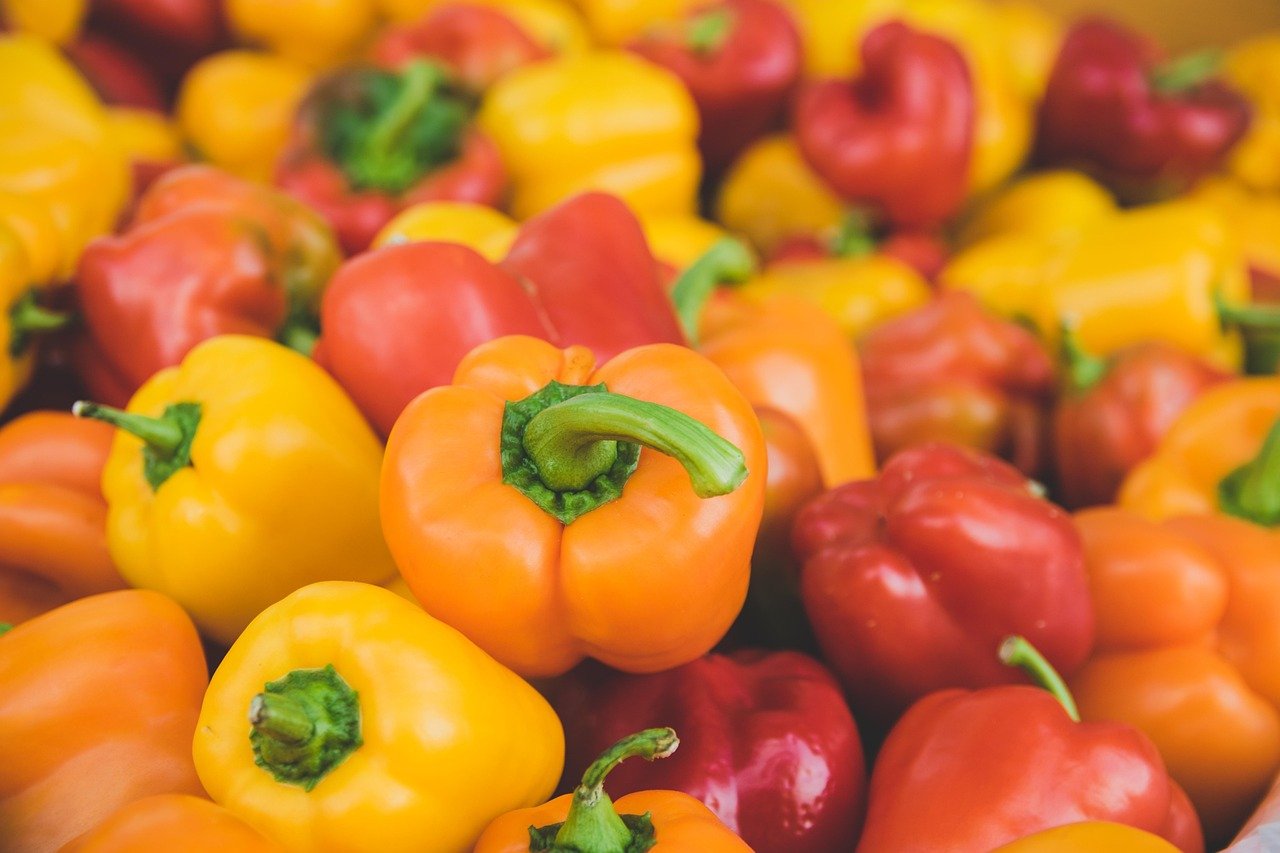
If a single word had to sum up the recent science of the microbiome, it would be diversity. A diverse microbiome is generally more resilient: it adapts better, withstands passing imbalances better, and accompanies better digestive comfort. And the most direct way to nourish that inner diversity is to diversify your plate: aim for a wide range of different plants over the week, rather than always eating the same three or four foods.
Here are a few simple habits, arranged by practical priority, to support that diversity day to day:
| Habit | Why it matters to the microbiome | A practical step |
|---|---|---|
| Vary your plants | Dietary diversity feeds microbial diversity | Aim for several different plants each week |
| Increase fibre gradually | Fibre is the fuel of helpful micro-organisms | Add pulses and whole grains, without a sudden jump |
| Include fermented foods | They bring living ferments | A small regular portion, increased little by little |
| Drink enough water | Water supports transit and digestion | Regular glasses throughout the day |
| Move every day | Movement supports gut motility | A walk, even a short one, after meals |
| Care for sleep and stress | The gut-brain axis is bidirectional | Consistent bedtimes, calm pauses |
Notice that nothing in this table costs much: variety, water, walking and sleep are within everyone’s reach. The strongest thing you can offer your gut is not a product you buy, but a series of small daily decisions. That is exactly why we always place the supplement after the fundamentals: as one more support on a solid base, for anyone who chooses to add one consciously.
A simple daily routine for a calmer gut
Caring for your gut requires no complicated system, only consistent habits. Start the day with a large glass of water and a fibre-rich breakfast. Make half of every main meal a portion of varied vegetables. Introduce pulses several times a week, and a portion of fermented foods. Move after meals, even a short walk that stimulates digestion. Drink enough water throughout the day. And finally, care for your sleep and stress management, because the gut and the brain are in constant dialogue.
Step one: start with the plate, not the box
Your microbiome’s first “supporter” is your plate. Before buying any supplement, honestly review a week of your meals: where is the fibre missing, where are the plants, is the water enough? A simple adjustment here comes before everything, and it makes whatever follows far more useful.
Step two: if you add a supplement, choose clarity
If you decide to add a ferment supplement or a fibre-rich plant, choose a formula with clear ingredients, authorised by ONSSA, from a transparent source. An authorised product gives you a guarantee of oversight that a product of unknown origin never will. Clarity here is part of safety.
Step three: respect consistency and observe
The body responds to consistency, not to shock doses. Take the supplement as directed on the box, tie it to a fixed daily habit so you do not forget it, then quietly observe your digestive comfort and general sense of lightness over several weeks. At any doubt or persistent symptom, a healthcare professional’s advice remains the priority; the VitalisPro team is available through our contact page.
Precautions, limits and when to seek advice
No responsible discussion of a food supplement is complete without a frank section on its limits. “Natural” does not mean “suitable for everyone in all circumstances.” Ferment supplements and fibre-rich plants are generally well tolerated in healthy adults at usual doses, but caution is required in specific situations:
- Pregnancy and breastfeeding: it is advised to avoid supplements unless recommended by a healthcare professional.
- Children under 18: supplements are not intended for this group without supervision.
- Weakened immune system, ongoing treatment or medical condition: seek a professional’s advice before starting.
- Gradual introduction: increasing fibre or fermented foods too quickly may cause passing discomfort (bloating), which eases as you progress.
The golden rule: a supplement adds; it does not fix a real imbalance on its own, and it does not diagnose or treat a condition. Most passing digestive discomforts improve by adjusting habits. But if symptoms persist or worry you, it is wiser not to rely on self-observation and to consult a qualified healthcare professional to assess the causes. Listening to your body and seeking advice when needed is part of a smart approach to your health.
Stories from our readers
These are testimonials from people who reviewed their habits and added this support to their routine; individual experiences that differ from one person to another, which we present as they are, without exaggeration:
“I often felt bloated by the end of the day. I did not look for a miracle: I varied my vegetables, added pulses and introduced the Probiotics alongside more balanced meals. After a few weeks I feel lighter. No magic, but a real difference.” — Nawal, Casablanca
“What I liked was the honest message: no promise of a cure, just support within a lifestyle. I have been following the Moringa + Probiotics Pack for two months, with more fibre every day, and my digestive comfort has improved.” — Karim, Rabat
“Ordering was easy, with cash on delivery, and the formula is clear and ONSSA-authorised. I appreciate that it is natural and transparent, and I reordered.” — Hicham, Marrakech
Frequently asked questions about gut health
Conclusion: what do we take from all this?
Your gut microbiome is a living ecosystem, and the best way to care for it is not to look for a miracle food, but to give it a rich, diverse environment: a variety of plants, fibre introduced gradually, a regular place for fermented foods, good hydration, movement, enough sleep, and calm stress management. This is the real gut “care”: daily, quiet, and free of noise.
Within this frame, supplements such as VitalisPro’s Probiotics and the Moringa + Probiotics Pack can be a support — to be included within a balanced lifestyle and diet, never as a substitute. If you choose to add them, choose a clear, authorised formula from a transparent source. Digestive wellbeing is built through knowledge and habits, not through promises; and we believe a customer’s trust is built through clarity.
In the end, what distinguishes the aware consumer is not avoiding every supplement nor believing every promise, but the ability to discern: to know what science says and what it does not, to place the fundamentals before the add-ons, and to give the body its fair time. To explore our full range, visit our shop, or talk directly with our team.
Sources and methodology
This guide relied on a review of verifiable scientific sources (PubMed databases) and published work, in addition to official bodies such as the World Health Organization (WHO), the U.S. National Library of Medicine (MedlinePlus) and the European Food Safety Authority (EFSA). We committed to presenting results at their true size: promising signals are presented as signals, not as definitive promises, and no therapeutic effect was claimed. The information here is for health education, not for diagnosis or a medical prescription.
References
- U.S. National Center for Complementary and Integrative Health (NIH/NCCIH) — “Probiotics” page. nccih.nih.gov
- Heiman ML, Greenway FL. “A healthy gastrointestinal microbiome is dependent on dietary diversity.” Molecular Metabolism, 2016. PubMed 27110483
- Makki K et al. “The Impact of Dietary Fiber on Gut Microbiota in Host Health and Disease.” Cell Host & Microbe, 2018. PubMed 29902436
- Gibson GR et al. (ISAPP) — consensus statement on the definition and scope of prebiotics. Nat Rev Gastroenterol Hepatol, 2017. PubMed 28611480
- Wastyk HC et al. “Gut-microbiota-targeted diets modulate human immune status” (fibre vs fermented foods). Cell, 2021. PubMed 34256014
- Cryan JF et al. “The Microbiota-Gut-Brain Axis.” Physiological Reviews, 2019. PubMed 31460832
- European Food Safety Authority (EFSA) — health claims. efsa.europa.eu
The information in this article is provided for informational purposes for health education, drawing on verifiable scientific references (PubMed, WHO, MedlinePlus and EFSA), and is not a substitute for consulting a qualified healthcare professional. The Probiotics and the Moringa + Probiotics Pack are food supplements that do not replace a varied, balanced diet or a healthy lifestyle, and are not intended to diagnose, treat, cure or prevent any condition. Do not exceed the recommended dose. Pregnant and breastfeeding women, children under 18, and people with medical conditions or ongoing treatments are advised to consult a professional before use. Keep out of the reach of children.
