


Beauty from within and natural nutrition
When we think about beautiful skin and hair, our mind runs first to the creams, serums and oils we apply on the surface. Yet the truth goes deeper: the beauty of your skin begins from the inside, and one of its quiet heroes carries a name we meet everywhere without always understanding it — the essential fatty acids known as omega-3. These good fats, which the body cannot make on its own, play a structural role in every one of our cells, including those of the skin.
This in-depth guide from VitalisPro promises no cosmetic miracle and does not claim to transform your skin or hair overnight. Instead, in plain language and with sourced references, it explains what omega-3 fatty acids really are, why we call them “essential,” what the research has observed around the skin barrier and the scalp, where these fats are found on the plate, and why many of us do not get enough of them. The goal is that you leave with a decision built on knowledge, not on advertising noise.
Let us agree on one principle from the start: no capsule replaces a balanced plate, and lasting beauty is never the work of a single nutrient. Omega-3 fits inside a whole “beauty from within” approach — a varied diet, hydration, sleep, gentle care — and it is precisely from this realistic angle that talking about supplements begins to make honest sense.
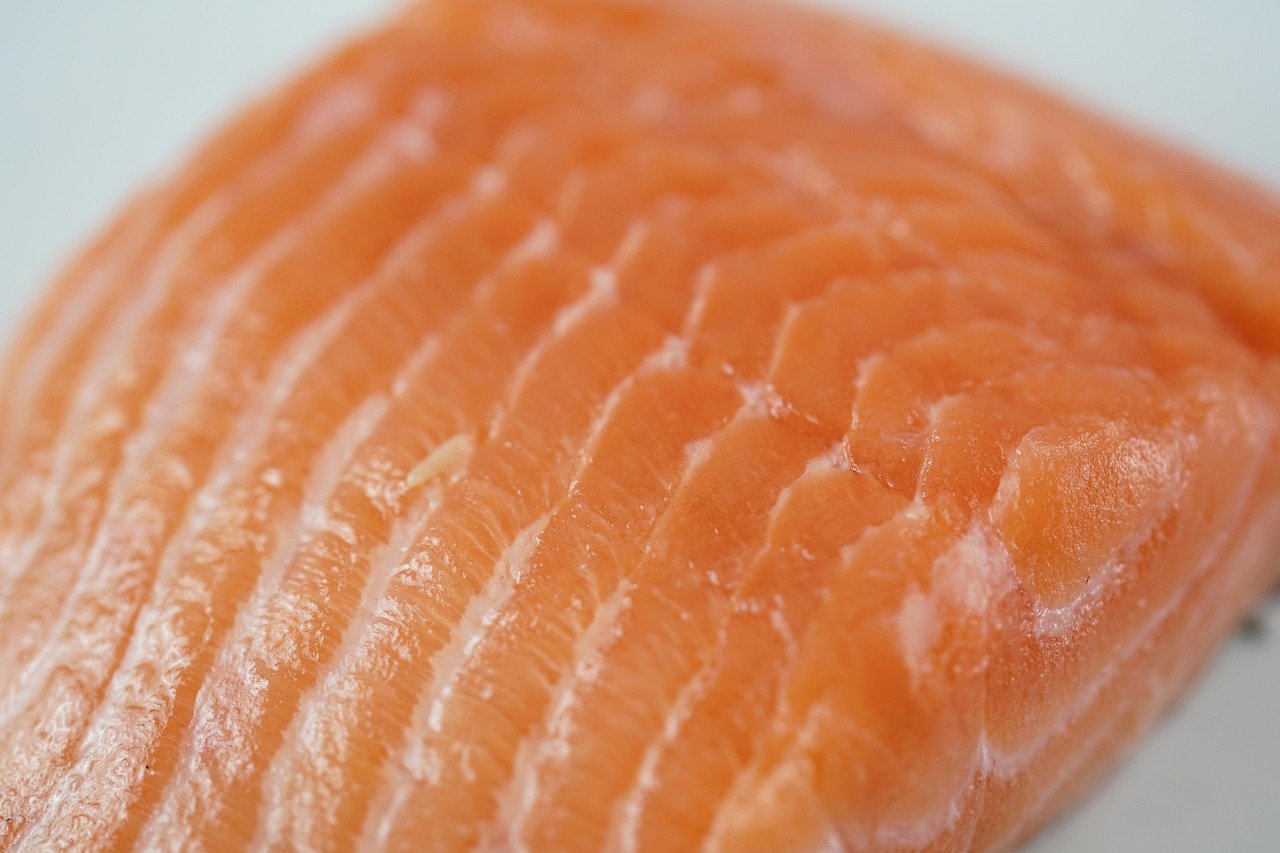
محتوى الصفحة
- 1 In brief: what you will learn
- 2 In this guide
- 3 Beauty begins on the plate
- 4 What are omega-3s and why are they “essential”?
- 5 Omega-3 and skin: the natural moisture barrier
- 6 Omega-3, scalp and hair
- 7 Why don’t we get enough?
- 8 Marine or plant sources: which to choose?
- 9 The omega-3 / omega-6 balance: the forgotten key
- 10 The quality of an omega-3: what to understand
- 11 Fitting omega-3 into a beauty-from-within routine
- 12 Precautions, interactions and limits
- 13 Stories from our readers
- 14 Frequently asked questions about omega-3, skin and hair
- 15 Conclusion: beauty begins on the plate
- 16 Sources and methodology
In brief: what you will learn
- Omega-3 fatty acids are “essential”: the body cannot synthesise them efficiently, so they must come from food (oily fish, flax seeds, walnuts).
- They are structural components of our cell membranes, including those of the skin, and as such they belong to a balanced diet that supports beauty from within.
- There is no specific approved health claim for omega-3 on skin or hair, so we present them as a nutritional intake, not as a guaranteed cosmetic treatment.
- The officially approved claim: “EPA and DHA contribute to normal heart function” (from 250 mg per day), under the European framework of health claims.
- Many people fall short of their intake, mainly through too little oily fish and an imbalance with the omega-6 of the modern diet.
- VitalisPro Omega-3 500 mg, Biotin 5000 µg and Marine Collagen + vitamin C are ONSSA-authorised food supplements, meant to fit inside a balanced diet. They are not medicines and not a substitute for professional advice.
Beauty begins on the plate
There is a stubborn assumption: that beautiful skin and hair are decided entirely at the surface — a richer cream, one more mask, an oil applied at night. External care has its place; no one denies it. But it tells only half the story. The other half plays out on the inside, in what we give our body every day through food. Skin and hair are living tissues, fed by the blood, and that blood carries whatever is on our plate.
Among the many nutrients that take part in this “beauty from within,” the essential omega-3 fatty acids hold a special place. They are not simple energy stores: they are building blocks that enter the very structure of our cell membranes. A supple, well-built cell membrane means a cell that works better; and when we speak of billions of skin cells, we begin to see why the nature of our dietary fats matters.
The key word here is complementarity, not substitution. Nourishing your skin from within does not free you from caring for it on the outside, and the reverse is equally true. Skin well hydrated by a suitable nutritional intake and protected by gentle care starts from a better place than skin neglected on both fronts. It is this whole-picture view — inside and outside working together — that we stand for at VitalisPro, far from the promise of a miracle bottle.
“The most beautiful care routine stays incomplete if the plate is forgotten. Feeding your skin from within is not a fad: it is recognising that skin is a living organ, and an organ is nourished before it is made up.”
What are omega-3s and why are they “essential”?
Omega-3s form a family of polyunsaturated fatty acids. We call them “essential” for a precise, non-commercial reason: the human body cannot make them efficiently on its own, so it must receive them from food. It is exactly the same status as certain vitamins: indispensable, but not synthesisable. That is why the word “essential” is not a marketing pitch here, but a biochemical reality.
Three members of this family come up most often. EPA (eicosapentaenoic acid) and DHA (docosahexaenoic acid) are the so-called “long-chain” forms, found mainly in oily fish and directly usable by the body. ALA (alpha-linolenic acid) is the “plant” form, found in seeds such as flax, chia and walnuts; the body can convert some of it into EPA and DHA, but with limited efficiency, a point we will return to.1
Why so much attention for mere fats? Because omega-3s are not storage fat: they are structural components of cell membranes. Every cell in your body is surrounded by a thin membrane made largely of lipids, and the quality of these lipids influences the suppleness and proper function of the cell. Omega-3 fatty acids become part of it, which explains their importance for the health of the body in general, the skin included.5
On the level of approved claims, the European Food Safety Authority (EFSA) has confirmed that “EPA and DHA contribute to normal heart function,” for an intake of at least 250 mg per day, within a balanced diet.6 As for skin and hair specifically, there is no approved health claim for omega-3, so we present them honestly as a nutritional intake that belongs to a balanced diet, and not as a cosmetic promise.
Omega-3 and skin: the natural moisture barrier
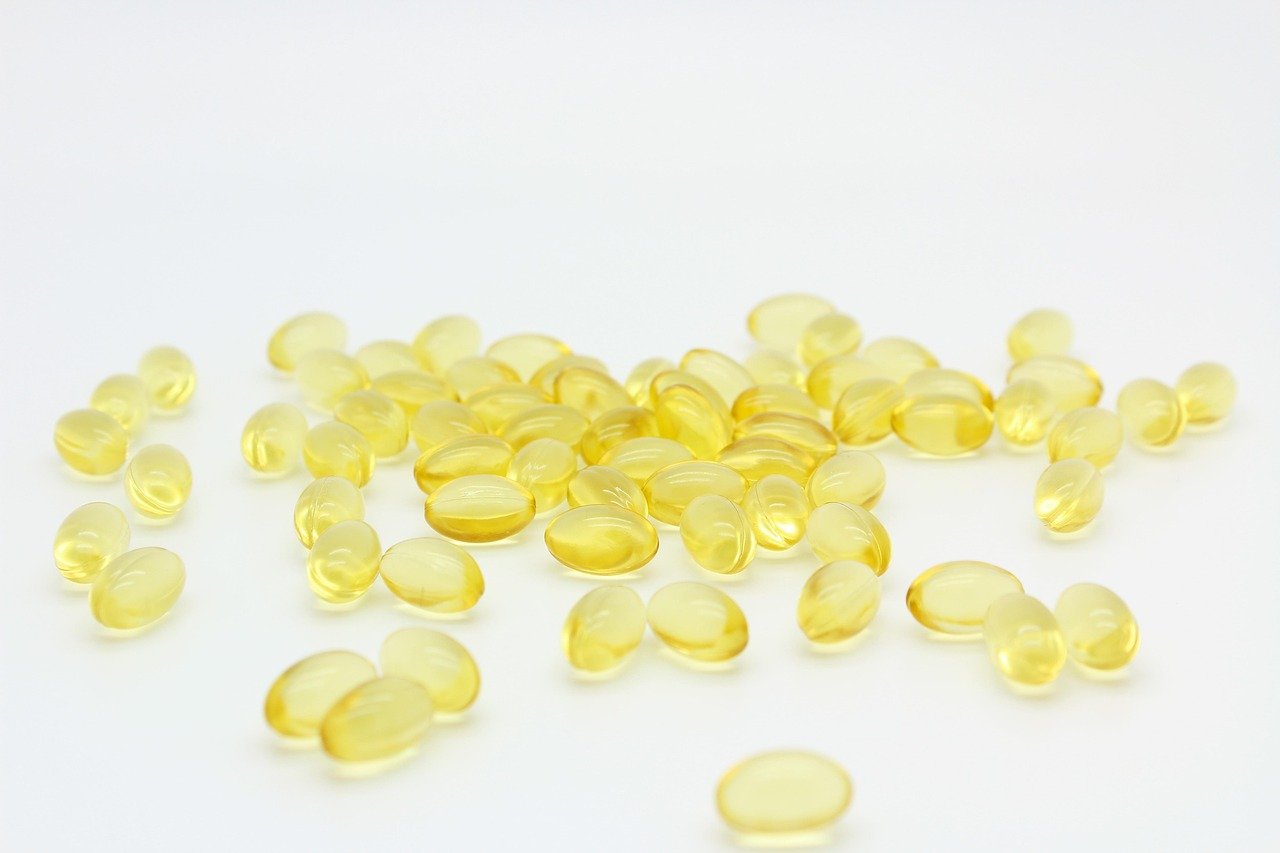
The skin has a natural barrier, a protective layer that holds water inside and stands guard against outside aggressions: when it works well, it gives supple, comfortable skin, and when it is weakened, it lets the feeling of tightness and dryness settle in. Lipids play a central role in the architecture of this barrier, and this is where essential fatty acids enter the scene.
What does the research say? A review published in a specialised scientific journal looked at the applications of fish-oil fatty acids on the skin and described their role in skin structure and in processes related to inflammation, while noting that the data still need to be deepened.2 Another review, devoted to the “healing fats of the skin,” detailed the structural and immunological roles of omega-6 and omega-3 fatty acids in skin tissue.3 The overall message is consistent: these fats are not mere bystanders; they take part in the biology of the skin.
Does this mean an omega-3 capsule “moisturises the skin”? No, and this is where honesty comes first. These studies describe mechanisms and leads, often in particular populations or in the laboratory, and they do not translate into a guaranteed cosmetic promise for everyone. What we can say, accurately, is that skin nourished from within by a diet rich in good fatty acids starts with better foundations. Supplementation complements this diet; it does not replace it.
Skincare professionals repeat it: feeding the skin from within with good fats complements external care. Well-nourished skin tends to look more supple and more radiant — not by magic, but because it has the materials its cells need. It is a patient, foundational logic, one that unfolds over time and not in the instant effect of a cosmetic.
Omega-3, scalp and hair
Just as they support the skin, good fats are also mentioned in the context of scalp and hair health. And that is logical: the scalp is skin, with the same barrier, the same needs for lipids and hydration. A well-nourished scalp is a more favourable ground for the growth of healthy hair, a little like a well-kept soil favours a vigorous plant.
Research has also looked at nutrition and hair. One trial assessed the effect of a nutritional supplement — combining, among other things, omega-3 and omega-6 fatty acids and antioxidants — in women experiencing hair loss; the authors reported encouraging observations while underlining the methodological limits inherent in this kind of study.4 As always, a signal is not definitive proof: it invites interest, not a promise.
It is important not to expect everything from a single nutrient. The beauty of hair is the reflection of a whole-diet nutrition: protein, iron, zinc, B-group vitamins, and good fats. That is why omega-3 belongs to a broader approach, alongside other elements. Among these, biotin (vitamin B7) carries an officially approved health claim: “biotin contributes to the maintenance of normal hair.”6 Healthy hair is the fruit of a tapestry of nutrients, not of a single thread.
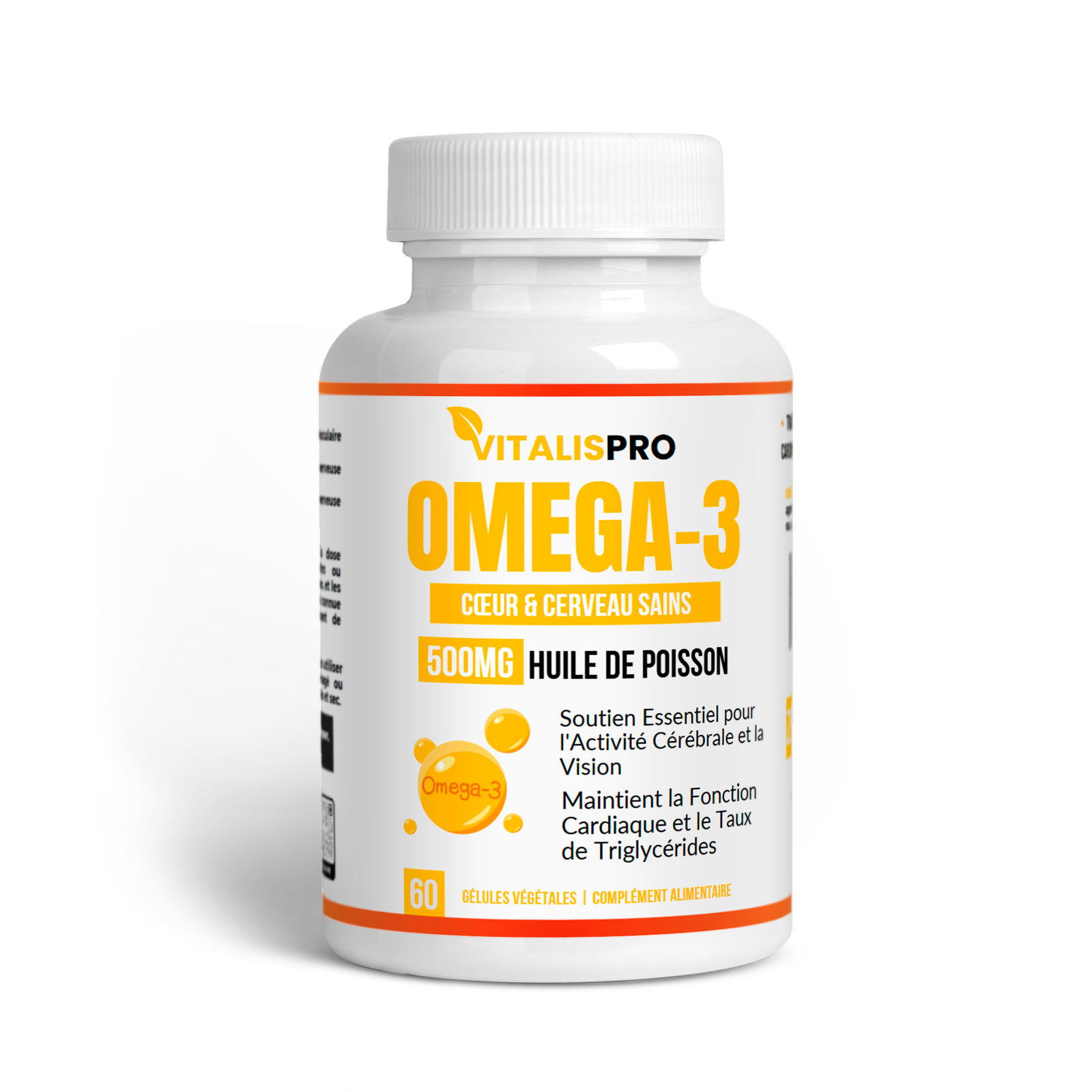
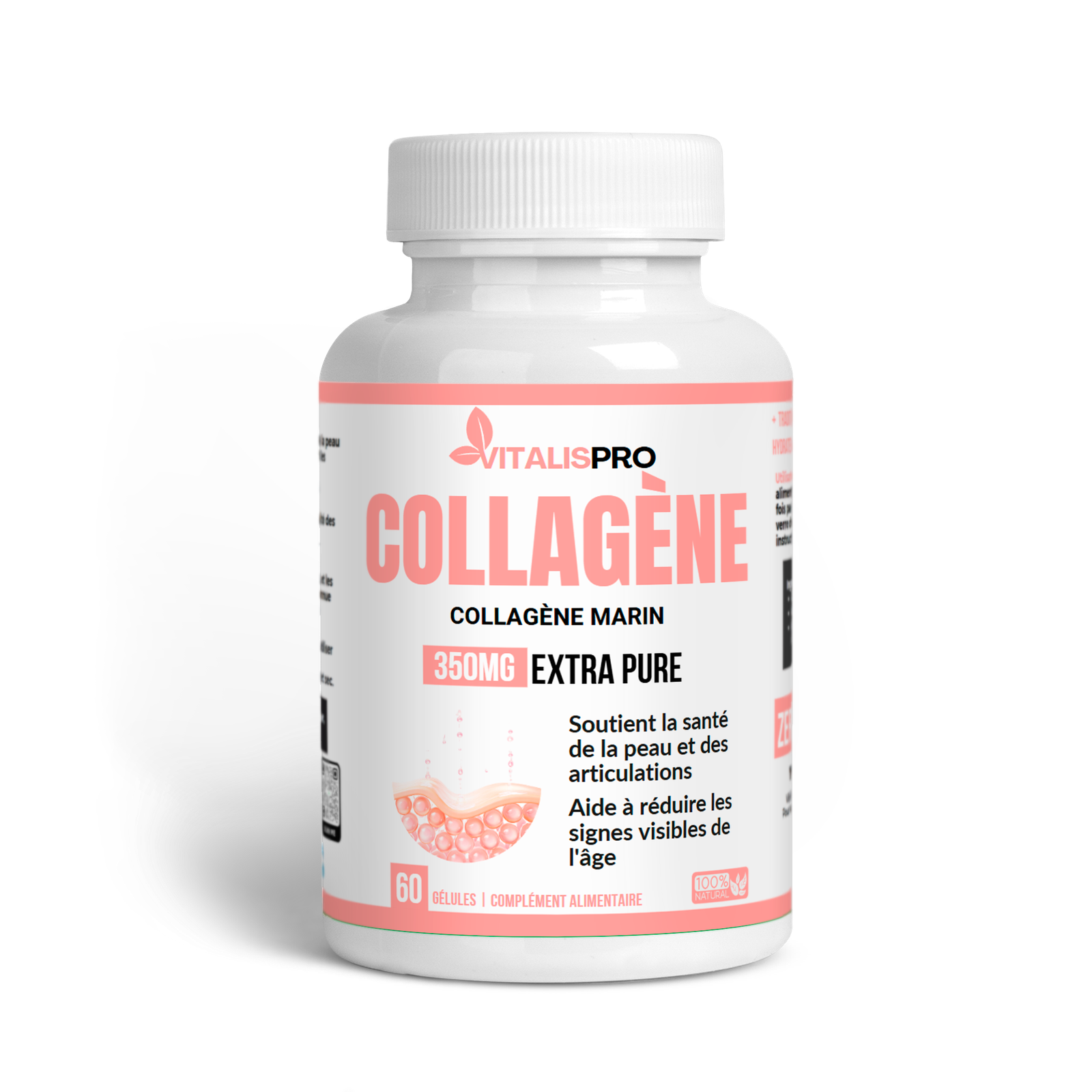
For a complete beauty-from-within approach, VitalisPro brings together three allies: Omega-3 500 mg, an intake of essential fatty acids; Biotin 5000 µg, whose vitamin B7 contributes to the maintenance of normal hair; and Marine Collagen + vitamin C, whose vitamin C contributes to normal collagen formation for the normal function of the skin. Three ONSSA-authorised supplements, to be included in a balanced diet, with cash on delivery across Morocco.
Why don’t we get enough?
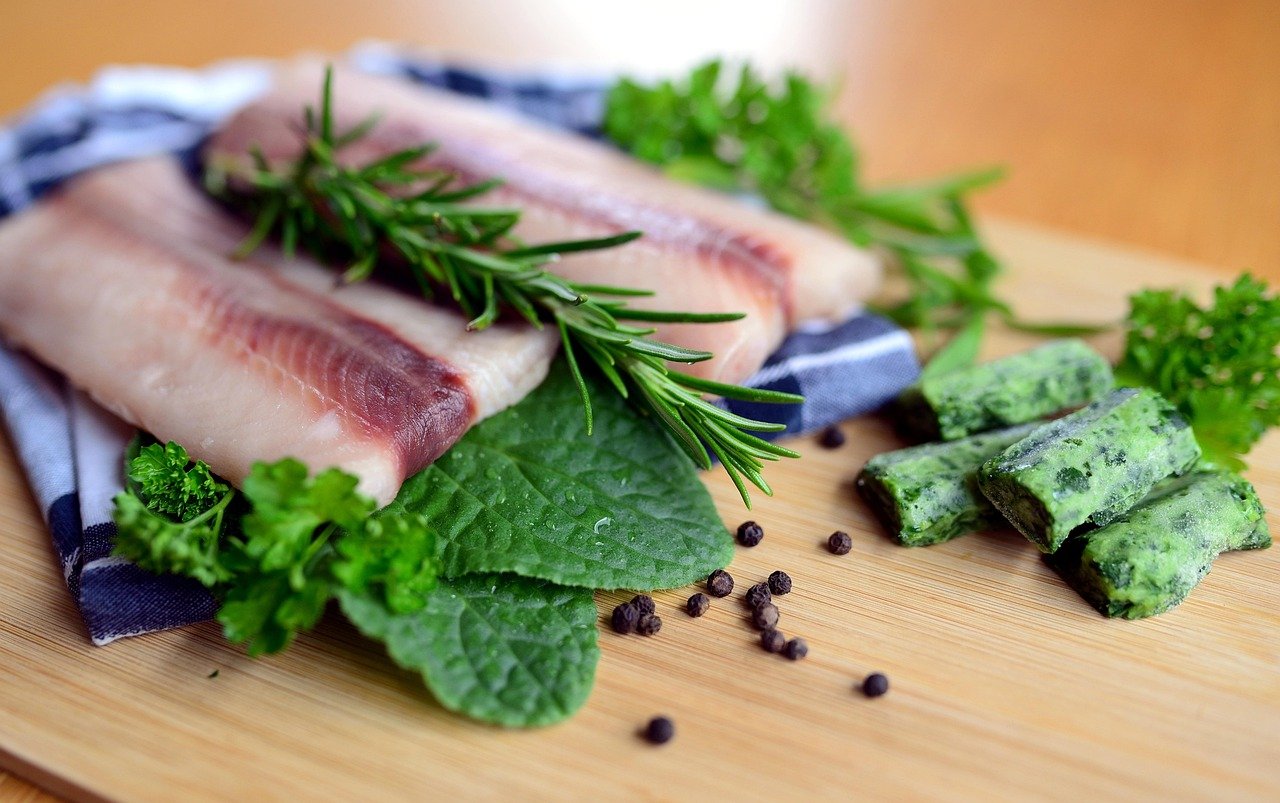
Despite their importance, many people fall short of a satisfactory omega-3 intake, and the reasons are above all dietary. The first, and by far the most common, is low consumption of oily fish. Nutritional recommendations generally invite us to eat it several times a week — salmon, sardine, mackerel, tuna — but in practice, many families eat it far less often, out of habit, cost or taste.
The second reason is more subtle: the imbalance of the modern diet. Our current eating tends to overload on certain fats (the omega-6, very present in refined vegetable oils and processed foods) at the expense of omega-3. This imbalance in the ratio between the two families is today one of the points that most interest researchers, even more than the absolute quantity of either.5
Add to this lifestyle factors: meals eaten in a hurry, the growing place of processed dishes, a gradual drift away from varied home cooking. The World Health Organization underlines the importance of balance between the different types of fat within a healthy diet.7 Together, these factors explain why some people benefit from paying conscious attention to their omega-3 sources — on the plate first, and as a supplement if needed.
Marine or plant sources: which to choose?
There is an important difference between omega-3 sources, and understanding it helps you make informed choices. Marine sources — oily fish and their oils — directly contain EPA and DHA, the two most studied and directly usable forms. This is the most “direct” route.
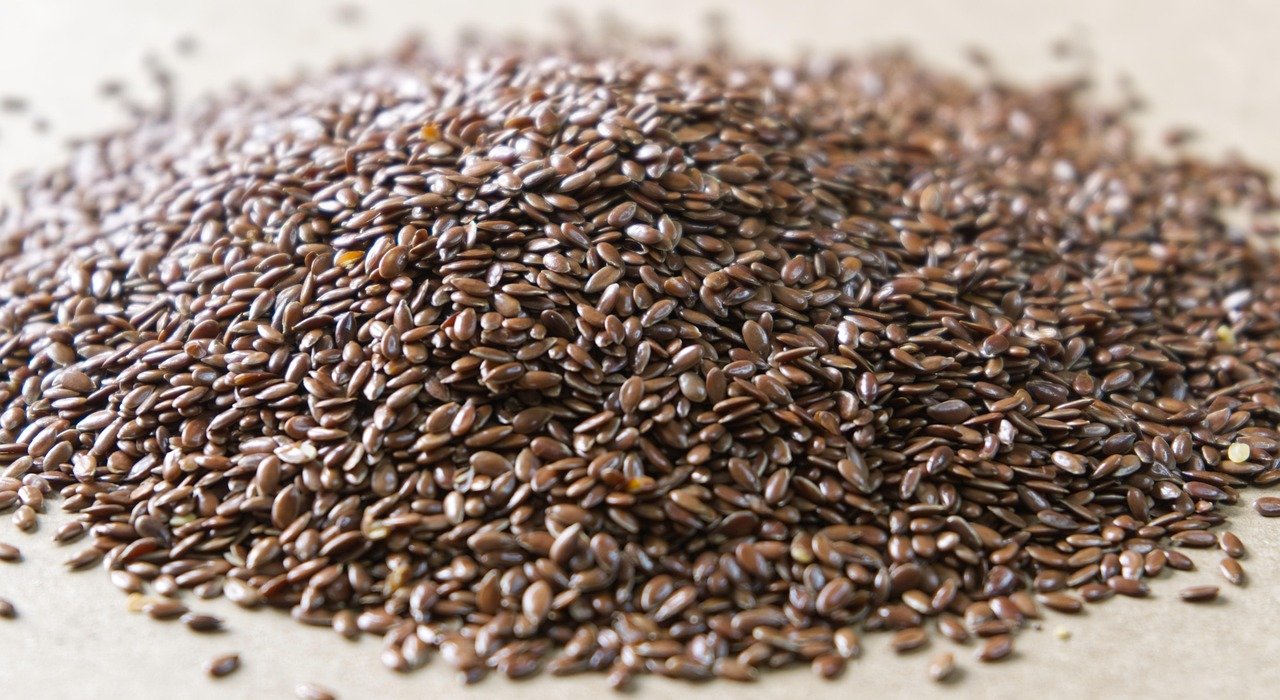
Plant sources — flax seeds, chia seeds, walnuts — mainly provide ALA, a form the body must first convert into EPA and DHA. Yet this conversion happens with limited efficiency. In practice, this means that people who rely on plant sources alone — such as vegetarians or vegans — benefit from paying particular attention to covering their needs for the active forms.1 For a reliable overview of dietary fats, the official omega-3 resource of the Office of Dietary Supplements (NIH) is a solid point of reference.
Should we set the two against each other? Certainly not. The ideal is a varied diet: oily fish for EPA and DHA, and seeds and nuts for ALA, fibre and other valuable nutrients. Complementarity is better than exclusivity. And when dietary intake remains hard to reach — through lifestyle, taste or dietary choice — a clear, well-dosed supplement can help cover the missing share.
| Type of source | Form of omega-3 | Examples | Good to know |
|---|---|---|---|
| Marine | EPA and DHA (directly usable) | Salmon, sardine, mackerel, fish oils | The most studied form for the health of the body |
| Plant | ALA (to be converted by the body) | Flax seeds, chia, walnuts, rapeseed oil | Conversion to EPA/DHA is limited: watch if on a plant diet |
| Supplement | Concentrated EPA and DHA | Omega-3 capsules | Useful when dietary intake is insufficient |
The omega-3 / omega-6 balance: the forgotten key
A point many people overlook: it is not only about the quantity of omega-3, but about their balance with another family of fats, the omega-6. Both are necessary to the body — omega-6 are not “enemies” — but the modern diet leans very heavily toward an excess of omega-6, abundant in many refined vegetable oils and processed foods, against a shortfall of omega-3.
This imbalance in the ratio is what most interests researchers, more than the absolute quantity of either.5 The smarter approach, then, is not only to “add omega-3,” but also to reduce ultra-processed foods rich in omega-6, so as to move closer to a balance nearer to what the body needs by nature. This balance is reflected in the health of the body in general, the skin and hair included.
In practice, this means two complementary moves: enrich the plate with oily fish, seeds and nuts on one side; lighten it on the other by cutting repeated frying, industrial sauces, biscuits and processed snacks. This double movement is often more useful than a mere capsule added to a diet that has stayed unbalanced. A supplement helps fill a gap; it does not on its own correct a diet that leans too far one way.
The quality of an omega-3: what to understand
Not all omega-3 sources are equal, and it helps to know what sets a serious product apart. The first criterion is the concentration of EPA and DHA, the genuinely active fatty acids: it is the quantity of these forms, and not the mere word “omega-3” on the label, that counts. The second is the purity and freshness of the oil: an oxidised (rancid) oil loses its value and can take on an unpleasant taste.
That is why transparency about concentration, source and manufacture is a key element. Smart use begins with understanding that the word “omega-3” covers very variable concentrations and qualities, and that the real benchmark is the quantity of active fatty acids, not just the name on the box. It is in this spirit of clarity that we design our formulas: to give you a readable dose rather than a vague name.
Here a concrete benchmark comes in: ONSSA authorisation (the National Office for the Sanitary Safety of Food Products). This is not a mere administrative formality: it is a control pathway that concerns the safety and conformity of the product. An authorised supplement gives you a guarantee of oversight that a product of unknown origin, entering through informal channels, never will. Quality, here, is part of safety.
Fitting omega-3 into a beauty-from-within routine
Step one: start with the plate
Your first “beauty treatment” is your plate. Before adding a supplement, review a week of your meals: how many times does oily fish appear? Seeds, nuts? And on the other side, how many processed dishes rich in omega-6? A simple rebalancing here comes before everything, and it makes whatever follows far more useful.
If your diet does not cover your needs, choose a supplement with a readable concentration of EPA and DHA, authorised by ONSSA, from a transparent source. A clear supplement gives you a guarantee that a product of unknown origin does not. You can discover our whole range dedicated to everyday wellbeing in our shop.
Step three: respect the dose and consistency
Many people prefer to take omega-3 with a meal that contains fat, which supports its absorption. Do not exceed the recommended dose on the box thinking that “more is better”: the body responds to consistency, not to shock doses. Tie the intake to a fixed daily habit so you do not forget it.
Step four: think “inside + outside”
Omega-3 does not replace your moisturiser or your hair routine: it complements them from within. A coherent approach combines a balanced diet, enough hydration, quality sleep, gentle external care, and — if needed — a targeted nutrient intake. Lasting beauty is born of this coherence, over weeks and months, and not of an isolated gesture. For any question, the VitalisPro team is available through our contact page.
Precautions, interactions and limits
No responsible discussion of a food supplement is complete without a frank section on its limits. “Natural” is not an automatic synonym for “suitable for everyone in all circumstances.” Omega-3s are generally well tolerated in healthy adults at usual doses, but caution is required in certain situations:
- Pregnancy and breastfeeding: seek advice from a healthcare professional before any supplement.
- Anticoagulant or blood-thinning treatments: omega-3 at high doses may interact; medical advice is essential.
- Scheduled surgery: report any supplement use to your healthcare professional.
- Children under 18: supplements are not intended for this group without supervision.
- Allergy to fish or seafood: check the origin of the oil before any use.
We add a practical reminder: do not start several new supplements at the same time. If you begin them together, it becomes hard to know what helped you, what did nothing, and what may have caused any discomfort. Introduce one element at a time, with enough time to observe. This calm, gradual approach protects both your health and your wallet.
The golden rule: a supplement adds; it does not on its own correct a real dietary imbalance, and it does not diagnose or treat a condition. In the case of a persistent or worrying skin problem or hair loss, consulting a healthcare professional remains the safest and first option: these signs can trace back to many causes that deserve qualified advice.
Stories from our readers
These are testimonials from people who reviewed their diet and added omega-3 to their beauty-from-within routine; individual experiences that differ from one person to another, which we present as they are, without exaggeration:
“I ate very little fish, so I decided to rebalance: more sardines and flax seeds, and VitalisPro Omega-3 as a complement with meals. I was not looking for a miracle, just to feed my skin better from within. I feel more consistent in my habits, and that is already a win.” — Imane, Casablanca
“What I liked was the honest message: no promise of transformation, just a nutritional intake within a diet. I have been combining omega-3 and biotin for two months, with a gentle hair routine, and I appreciate the clarity of the formulas.” — Salma, Rabat
“Ordering was easy, with cash on delivery, and the formulas are clear and ONSSA-authorised. I like this transparency, and I reordered.” — Younes, Marrakech
Frequently asked questions about omega-3, skin and hair
Conclusion: beauty begins on the plate
The core message of this guide is clear: the beauty of your skin and hair begins from the inside, and the essential omega-3 fatty acids are among its quiet allies. These good fats, which the body cannot make and must obtain from food, take part in the structure of cell membranes and support the health of the body in general, the heart included, according to the approved claims.
Begin with the plate: oily fish several times a week, complemented by plant sources such as flax seeds and walnuts. Watch the balance with omega-6 by reducing ultra-processed foods. And when the need calls for support, choose a source with a clear, authorised concentration. Fit omega-3 into a complete approach — a balanced diet, hydration, sleep, gentle care — alongside Biotin 5000 µg for hair and Marine Collagen + vitamin C for skin, according to your needs.
In the end, what distinguishes the aware consumer is the ability to discern: to know what science says and what it does not, to place the fundamentals before the add-ons, and to give the body its fair time. If you leave this guide with that mindset, we have reached our goal — whether or not you choose our products. For direct contact, the VitalisPro team is available through our team page.
Sources and methodology
This guide relied on a review of documented general scientific sources (PubMed databases) and published reviews, in addition to official bodies such as the U.S. National Institutes of Health Office of Dietary Supplements (NIH/ODS), the World Health Organization (WHO) and the European Food Safety Authority (EFSA). We committed to presenting results at their true size: promising signals are presented as signals, not as promises, and no therapeutic or guaranteed cosmetic effect was claimed. The information here is for health education, not for diagnosis or a medical prescription.
References
- Office of Dietary Supplements (NIH/ODS) — “Omega-3 Fatty Acids” fact sheet (omega-3 fatty acids, EPA, DHA, ALA and conversion). ods.od.nih.gov
- Huang T.-H. et al. “Cosmetic and Therapeutic Applications of Fish Oil’s Fatty Acids on the Skin,” Marine Drugs, 2018. PubMed 30061538
- McCusker M.M., Grant-Kels J.M. “Healing fats of the skin: the structural and immunologic roles of the omega-6 and omega-3 fatty acids,” Clinics in Dermatology, 2010. PubMed 20620762
- Le Floc’h C. et al. “Effect of a nutritional supplement on hair loss in women,” Journal of Cosmetic Dermatology, 2015. PubMed 25573272
- Calder P.C. “Omega-3 fatty acids and inflammatory processes: from molecules to man,” Biochemical Society Transactions, 2017. PubMed 28900017
- European Food Safety Authority (EFSA) — health claims (EPA/DHA and heart function; biotin and hair; vitamin C and collagen). efsa.europa.eu
- World Health Organization (WHO) — “Healthy diet” (balance of dietary fats). who.int
The information in this article is provided for informational purposes for health education, drawing on documented general scientific references (PubMed, NIH, WHO and EFSA), and is not a substitute for consulting a qualified healthcare professional. Omega-3, Biotin and Marine Collagen are food supplements that do not replace a varied, balanced diet or a healthy lifestyle, and are not intended to diagnose, treat, cure or prevent any condition. Do not exceed the recommended dose. Pregnant and breastfeeding women, people on anticoagulant treatment, children under 18, and people with medical conditions are advised to consult a professional before use. Keep out of the reach of children.
