


Energy and natural vitality
A tiredness that will not leave you despite full nights of sleep? Breathlessness at the slightest effort, a pale complexion, trouble concentrating? Many women live through this without connecting it to one decisive nutrient: iron. This small mineral plays a central role in your day-to-day energy, and women are more exposed to seeing their levels drop for very real physiological reasons. This educational guide from VitalisPro sheds light on the link between iron and fatigue, and helps you support your level thoughtfully, through food and supportive elements.
Let us set the frame right away: this text is here to inform and equip you, not to diagnose. We will sell you neither a miracle nor a promise of cure. We will explain, in plain language and with verifiable sources, why iron and energy are so closely linked, what sets the different food sources apart, how to improve the absorption of the iron you eat, and where the honest limit of what a food supplement can offer really lies.
Because that is the whole nuance: iron is not a “quick fix” you swallow at the first sign of weariness. It is a background element, one the body needs in the right amount — neither too little nor too much — and whose precise assessment belongs to a qualified healthcare professional. Our role here is to make you attentive to the signals, give you the right dietary habits, and help you ask the right questions.
محتوى الصفحة
- 1 In brief: what you will learn
- 2 In this guide
- 3 Iron: the mineral that carries your energy
- 4 Why women are more exposed to low iron
- 5 Signs that deserve your attention
- 6 Dietary sources of iron: two different types
- 7 How to improve iron absorption
- 8 Iron and the B vitamins: the energy trio
- 9 How to use an iron supplement wisely
- 10 Fatigue is not always about iron
- 11 Iron in the daily life of the Moroccan woman
- 12 Stories from our readers
- 13 Frequently asked questions about iron and fatigue
- 14 Conclusion: listen to your body and support your energy wisely
- 15 Sources and methodology
In brief: what you will learn
- Iron is part of haemoglobin, which carries oxygen in the blood; it contributes to normal oxygen transport and to the reduction of tiredness and fatigue, two recognised health claims.
- Women have a higher iron need at certain stages of life; menstruation is a regular loss, which makes covering the daily need particularly important.
- There are two types of dietary iron: iron from animal sources (well absorbed) and iron from plant sources (less well absorbed, but whose absorption can be improved), notably with vitamin C.
- Iron works as a team with vitamins B9 (folate) and B12, which contribute to the normal formation of red blood cells and to normal energy-yielding metabolism.
- Fatigue is not always about iron. Sleep, stress, other deficiencies: only a qualified healthcare professional can confirm your level through tests. VitalisPro supplements are ONSSA-authorised and fit inside a healthy lifestyle; they replace neither a varied diet nor medical advice.
Iron: the mineral that carries your energy
If we had to sum up iron in a single image, it would be that of a carrier. Iron is an essential mineral that forms part of haemoglobin, the protein in red blood cells that carries oxygen from the lungs to every one of your cells. And oxygen is the fuel of energy production inside your cells: without smooth transport, the machine runs at half speed. This is exactly why iron contributes to normal oxygen transport and to the reduction of tiredness and fatigue, health claims recognised by the European authorities.4
Iron’s role does not stop there. It also contributes to the normal formation of red blood cells and haemoglobin, to normal energy-yielding metabolism, to normal cognitive function, and to the normal function of the immune system. In other words, this discreet mineral is present at several key points of your daily vitality. When its level is sufficient, the whole system runs smoothly; when it drops for a sustained period, the body sends signals. You can read about the role of iron in the body through the reference sheet of the Office of Dietary Supplements at the U.S. National Institutes of Health (NIH).1
Let us bring in a simple comparison: imagine a fleet of trucks delivering oxygen to all the factories of the body. Iron is what allows each truck to load its cargo. If iron is missing, there are fewer trucks on the road, or trucks running half-empty: the factories — your muscles, your brain — receive less oxygen, and you feel that drop as fatigue, breathlessness and difficulty concentrating. The wisdom, then, is not to “rev up” the system, but to make sure it never runs short of anything.
Why women are more exposed to low iron
There are physiological reasons that make women’s iron need higher at certain stages of life. Menstruation represents a regular loss of iron, month after month; and the need rises further during stages such as pregnancy, when the body must support a larger blood volume. This is why health references stress how important it is for women to cover their daily need for this mineral. Awareness of this higher need is the first step toward a supported level.
This link between iron and fatigue in women is not just intuition: it has been studied. A randomised controlled trial published in a major medical journal assessed the effect of an iron intake on fatigue in menstruating, non-anaemic women with low ferritin (ferritin reflects iron stores). The authors observed an improvement in the sense of fatigue in the group receiving iron, while stressing the need for individual assessment.2 This result underlines something essential: in women, fatigue is worth looking at through the lens of iron, without making it an automatic conclusion.
Here we must keep our balance. A higher need does not mean that every tired woman lacks iron, nor that one should supplement “just in case.” It simply means it is wise to pay attention to covering this need, first through a thoughtful diet, and to listen to the signals the body sends. The rest of this guide gives you concrete markers for that, without ever replacing a healthcare professional’s advice.
Signs that deserve your attention
A low iron level can show up as general signs: a persistent tiredness that sleep does not explain, a pale complexion, breathlessness on light effort, difficulty concentrating, or a vague sense of low vitality. Some women also describe brittle nails or more noticeable hair shedding. It is important to be clear here: these are general signs, which can have many causes, and which are in no way a diagnosis.
The only reliable way to know your iron level is through assessment by a qualified healthcare professional and appropriate tests (such as ferritin and haemoglobin measurements). This guide helps you stay attentive and ask the right questions — it does not invite you to self-diagnose, nor to decide on supplementation on your own. This is a distinction we insist on repeating, because it protects your health: some signs can trace back to other causes, and an unjustified excess of iron is not desirable either.
“The best reflex in the face of lasting tiredness is not to guess, but to get support. A healthcare professional can confirm, with a simple test, what your body has been trying to tell you for weeks.”
Dietary sources of iron: two different types
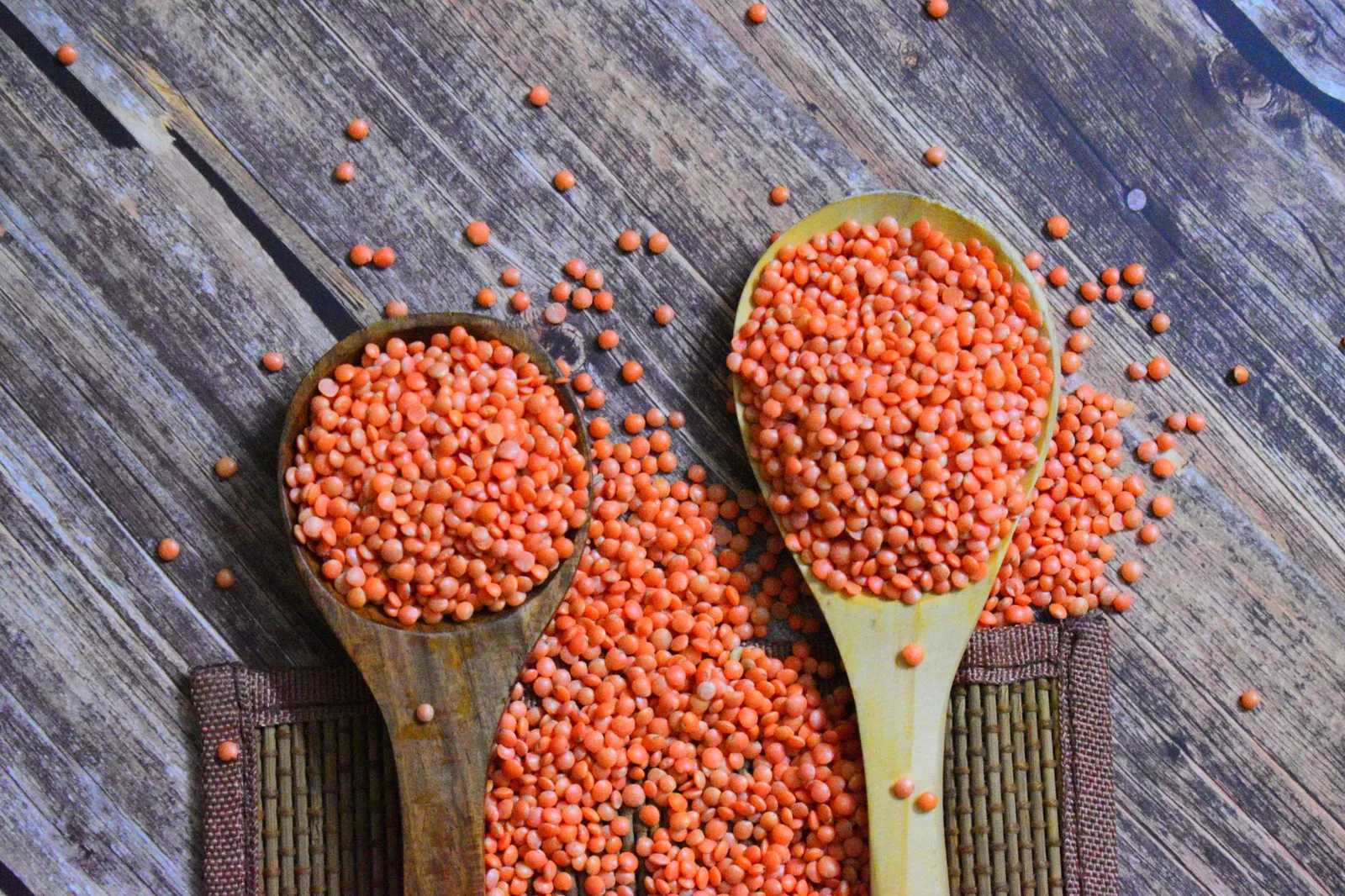
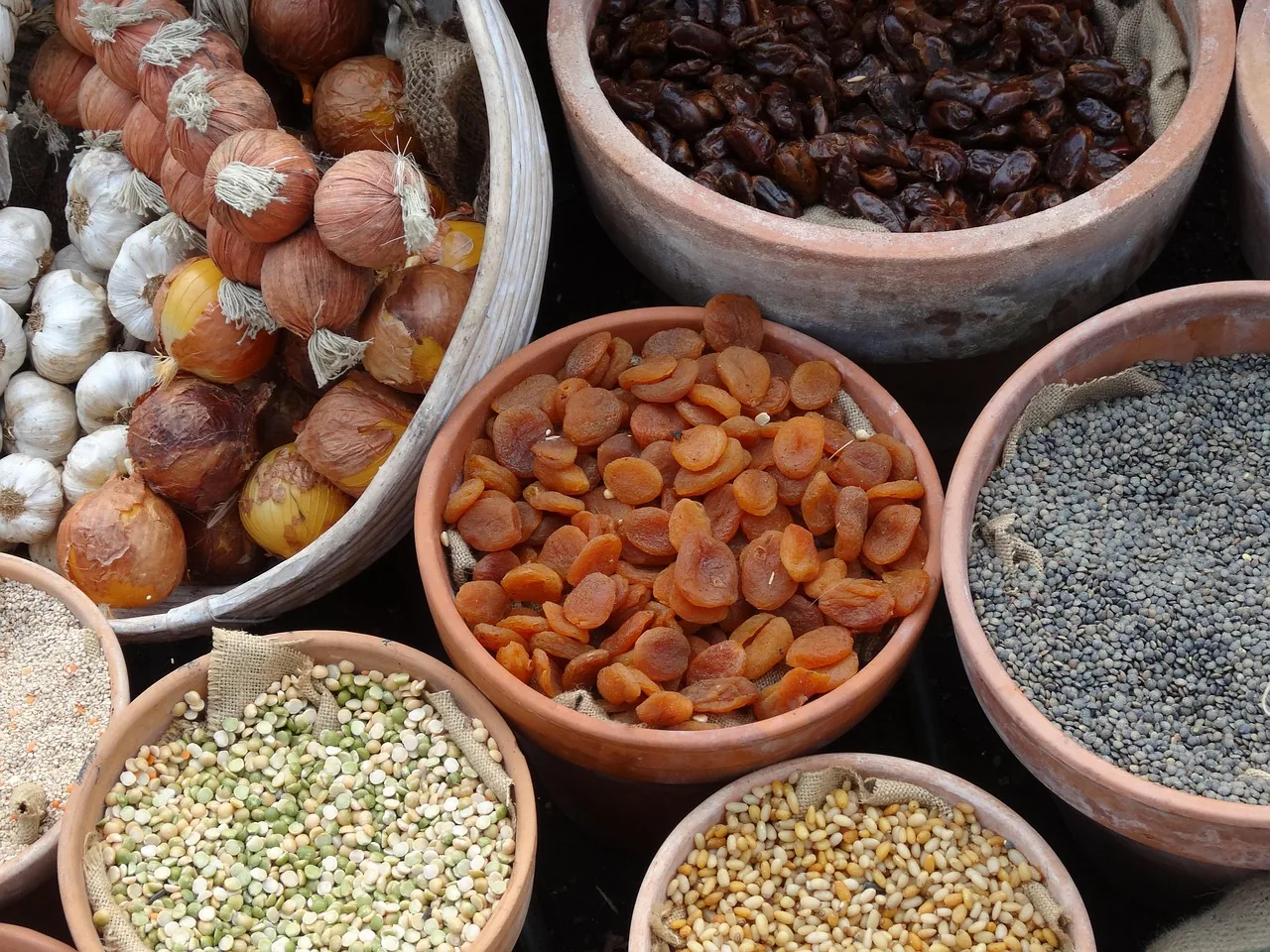
Iron appears in food in two forms. The first comes from animal sources — red meat, poultry, fish — and is marked by relatively easy absorption for the body. The second comes from plant sources: pulses (lentils, chickpeas, beans), dark green leafy vegetables such as spinach, seeds (notably pumpkin seeds) and dried fruit. The absorption of plant iron is less efficient, but — good news — it can be markedly improved by simple pairings at the table.1
For most women, the healthiest approach is to combine sources rather than to bet on a single food. A well-prepared lentil dish, a handful of pumpkin seeds as a snack, a serving of spinach next to a source of vitamin C: these habits, repeated across the week, build a steady intake. It is this consistency — not a “miracle” food — that makes the difference over time. Moroccan culinary heritage, rich in pulses and herbs, lends itself very well to this logic.
Some plants naturally concentrate iron and minerals, and complement a varied diet well. Nettle, for example, is traditionally valued for its mineral richness, while spirulina is a microalga recognised as a source of iron and often associated with energy support. They do not replace a balanced plate: they are added to it, for anyone who wishes to diversify their intake within a healthy lifestyle.

How to improve iron absorption
Iron absorption is not automatic: it depends heavily on what accompanies it on the plate. Vitamin C is one of the most powerful allies of plant-iron absorption: it contributes to increasing that absorption, a property recognised by the European authorities.4 The concrete step? Add a source of vitamin C to your iron-rich meals: a squeeze of lemon on lentils, peppers in a salad, an orange for dessert. It is simple, free, and genuinely effective.
Conversely, some drinks can slow absorption when taken at the same time as the meal: this is the case with tea and coffee, rich in compounds that hinder the uptake of plant iron. The good news is that you do not have to give them up: you simply need to space them out. A controlled trial in healthy women showed that leaving about a one-hour gap between tea and a meal containing iron markedly attenuated its inhibitory effect on absorption.5 A simple one-hour shift: there is an easy reflex to adopt.
These small details make a real difference to what your body actually retains from the iron you consume. Keep three simple habits in mind: pair plant iron with vitamin C, shift tea and coffee to about an hour after the meal, and vary your sources across the week. These are everyday habits, with no constraint, that naturally optimise your intake.

Iron and the B vitamins: the energy trio
Iron does not work alone in the energy equation. It is often paired with the B vitamins, in particular B12 and B9 (folate). These vitamins contribute to the normal formation of red blood cells and to normal energy-yielding metabolism — precisely the ground where iron plays its role as an oxygen carrier. This is why many support formulas bring iron and these vitamins together: the idea is not a single element, but a coherent system that accompanies your vitality.
This logic of complementarity explains the design of a product like VitalisPro’s Iron + B9 + B12: bringing together, in a single clear, authorised supplement, elements that act in concert, rather than stacking scattered boxes. Research has indeed looked at the perceived benefit of an iron intake in tired, deficient women: a controlled study assessed this intake in women with iron deficiency and marked fatigue, opening the way to a better understanding of the link between iron stores and the sense of fatigue.3
Here too, honesty calls for measure: this work most often concerns women who are already deficient, in a medical setting. It does not mean that a supplement will “boost” the energy of every tired person. Above all, it reminds us of the importance of covering a real need, when that need exists and has been identified. The supplement takes on meaning within this frame: as a response to a proven shortfall, within a balanced lifestyle, and not as an everyday stimulant.
How to use an iron supplement wisely
An iron supplement is generally used as part of a regular programme, because supporting a level takes time: you do not refill stores in a single day. It is recommended to respect the dose indicated on the box, and some people take it with a source of vitamin C to improve absorption. Consistency, over weeks, matters more than any occasional dose.
One point deserves to be stressed firmly: when it comes to iron, more is not better. High amounts taken without a real need are not desirable and can cause discomfort. This is precisely why it is wise to consult a qualified healthcare professional before starting — to know whether your body truly needs this support, and at what level. This step is not a formality: it is part of responsible use.
Finally, a practical tip that is often forgotten: do not start several new supplements at the same time. By beginning them together, it becomes hard to know what is really helping you. Introduce one element at a time, give it time to settle, and observe calmly. This approach protects both your health and your budget. For any doubt, the VitalisPro team is available through our contact page.
Fatigue is not always about iron
It is essential to keep the bigger picture. Iron is a frequent cause of fatigue in women, but it is far from the only one. Lack of sleep, chronic stress, a deficiency in other nutrients, or simply an exhausting pace of life can all contribute to exhaustion. Reducing all fatigue to iron alone would be a mistake — and could steer you away from the real cause.
This is why supporting your energy begins with a whole-picture approach: enough regular sleep, a balanced and varied diet, regular physical activity, and stress management. These pillars often weigh more than any supplement taken in isolation. The supplement comes after these fundamentals, in support — never in their place.
And if fatigue persists despite a healthy lifestyle, the wisest step remains to consult a qualified healthcare professional to pin down the cause precisely, rather than guessing. Listening to your body also means accepting support when a signal lasts. You will find our full wellbeing range in our shop.
Iron in the daily life of the Moroccan woman
Between the demands of work, home and a fast daily rhythm, many women in Morocco end up ignoring the signs of fatigue or attributing them to stress alone. Becoming aware of iron’s role, and taking care to cover the daily need through a thoughtful diet, is a simple but genuinely useful step for quality of life. It is not about changing everything overnight, but about adding, here and there, the right habits.
The World Health Organization stresses the importance of a balanced and varied diet as a foundation of health; you can consult its resources on a healthy diet.6 Iron remains an important piece of this overall picture, but it fits into a larger image made of variety and consistency. Traditional Moroccan cuisine, with its pulses, vegetables and herbs, offers a precious base for this.
To go deeper into this natural wellbeing approach, our shop brings together formulas designed with clarity, and our quality commitment rests on the ONSSA authorisation of our products. Careful reading before any decision will give you a truer picture of what suits you, within a balanced lifestyle.
Stories from our readers
These are testimonials from women who reviewed their habits and added support to their routine after being properly assessed; individual experiences that differ from one person to another, which we present as they are, without exaggeration:
“I used to blame my fatigue on work. After a test advised by a professional, I reviewed my diet: more lentils, lemon on my dishes, and I shifted my tea. I also added Iron + B9 + B12. After a few weeks, I feel more present in my daily life.” — Khadija, Casablanca
“What I liked was the honest message: no miracle promised, just common sense and clear support. I added spirulina to my mornings, alongside a more varied diet, and I regained a bit of energy.” — Salma, Rabat
“Ordering was easy, with cash on delivery, and the formula is clear and ONSSA-authorised. I appreciate that it is transparent, and I reordered.” — Nawal, Marrakech
Frequently asked questions about iron and fatigue
Conclusion: listen to your body and support your energy wisely
At the end of this journey, the picture becomes clear. Iron is not just one mineral among a long list: it is a central player in the transport of oxygen and in energy production, and women are more exposed to seeing their level drop for real physiological reasons. A persistent tiredness, a pale complexion, difficulty concentrating: these are sometimes signals worth your attention, not symptoms to brush aside.
The smart approach begins with food: varied sources of iron, supported by vitamin C to improve absorption, within a balanced diet. Supportive elements — such as pairing iron with vitamins B9 and B12, or plants rich in minerals — come to complete this base when the need is real. But the golden rule remains: do not guess. If fatigue lasts, an assessment by a qualified healthcare professional, with the appropriate tests, remains the most reliable path.
Take care of your energy consciously, and listen to your body: it is speaking to you, and it is often enough to lend an ear. If you leave this guide with that mindset — informed, attentive, and ready to seek support — then we have reached our goal, whether or not you choose our products. For a direct exchange, the VitalisPro team is available through our our team page.
Sources and methodology
This guide relied on a review of general, verifiable scientific sources (PubMed databases) and published trials, as well as official bodies such as the Office of Dietary Supplements at the U.S. National Institutes of Health (NIH/ODS), the European Food Safety Authority (EFSA) and the World Health Organization (WHO). We committed to presenting the results at their true size: the health claims cited are those recognised by regulation, and no therapeutic effect was claimed. The information gathered here is for health education, not for diagnosis or a medical prescription.
References
- Office of Dietary Supplements (NIH/ODS) — “Iron” fact sheet: role, sources and requirements. ods.od.nih.gov
- Effect of iron supplementation on fatigue in nonanemic menstruating women with low ferritin: a randomised controlled trial (CMAJ, 2012). PubMed 22777991
- Evaluation of an iron intake in fatigued, iron-deficient women (PREFER study, PLoS ONE, 2014). PubMed 24751822
- European Food Safety Authority (EFSA) — health claims (iron: oxygen transport, reduction of tiredness and fatigue, formation of red blood cells; vitamin C: increased iron absorption). efsa.europa.eu
- A 1-hour interval between a meal containing iron and consumption of tea attenuates the inhibitory effects on iron absorption: a controlled trial in women (AJCN, 2017). PubMed 29046302
- World Health Organization (WHO) — “Healthy diet” fact sheet. who.int
The information in this article is provided for informational purposes for health education, drawing on general, verifiable scientific references (PubMed, NIH, EFSA, WHO), and is not a substitute for consulting a qualified healthcare professional. Energy-support products are food supplements that do not replace a varied, balanced diet or a healthy lifestyle, and are not intended to diagnose, treat, cure or prevent any condition. Do not exceed the recommended dose. Pregnant and breastfeeding women, children under 18, and people with medical conditions or ongoing treatments are advised to consult a professional before use. Keep out of the reach of children.
