


Mobility and everyday wellbeing
As the years pass, many of us begin to notice our joints in a way we never did before: a little morning stiffness, some discomfort after sitting for a long time, or simply the wish to keep moving smoothly and comfortably. Our joints are what give us the freedom to move — to walk, stand, carry, and bend — and caring for them is a genuine investment in the quality of everyday life. The good news is that a large share of the levers that support joint health are in our own hands.
This in-depth guide from VitalisPro promises no miracle and replaces no medical care. In plain language, with sourced references, it explains how your joints actually work, why joint health is decided first through movement, weight and the plate, what research has shown about supportive elements such as marine collagen and shark cartilage, and where the honest limit of the evidence lies. The goal is that you leave with a decision built on knowledge, not on advertising noise.
Let us agree on one principle from the start: a joint is not a fixed mechanical part waiting for an outside product to “repair” it. It is a living system — bone, cartilage, synovial fluid, ligaments and muscles — that responds to how we use and nourish it. Our job is not to “cure” a joint with some wonder capsule, but to give it the conditions in which it stays mobile and comfortable for as long as possible. It is precisely from this realistic angle that talking about supplements begins to make sense, and not a moment before.

محتوى الصفحة
- 1 In brief: what you will learn
- 2 In this guide
- 3 How do your joints work?
- 4 Movement: use them so you don’t lose them
- 5 A balanced weight: less load on your joints
- 6 Nutrition: what supports your joints from the inside
- 7 Collagen and cartilage: what does the research say?
- 8 Hydration and the synovial fluid
- 9 A gentle daily routine
- 10 Precautions and when to see a professional
- 11 Stories from our readers
- 12 Frequently asked questions about joint health
- 13 Conclusion: what do we take from all this?
- 14 Sources and methodology
In brief: what you will learn
- A joint is a living system: cartilage that cushions, synovial fluid that lubricates, ligaments and muscles that stabilise. Its comfort depends partly on how we use it.
- Gentle, regular movement is the first lever: “use them so you don’t lose them.” Low-impact activities (walking, swimming, stretching) keep the joints supple and strengthen the supporting muscles.
- A balanced weight lightens the mechanical load on the weight-bearing joints (knees, hips), and a varied, colourful diet supports the body from the inside.
- Marine collagen and shark cartilage are studied for their role in supporting joint tissues; the research is promising but inconclusive, and their use is one of wellbeing, not the treatment of a joint disease.
- The VitalisPro products mentioned here are ONSSA-authorised food supplements, meant to fit inside an active, balanced lifestyle. They are not medicines and not a substitute for professional advice.
How do your joints work?
A joint is the meeting point of two or more bones, designed to offer both movement and stability. The ends of the bones there are covered by a layer of cartilage: a smooth, elastic tissue that acts as a cushion, absorbs shocks, and allows a smooth glide without painful friction. Around the joint flows a synovial fluid that works like natural lubricating oil, while ligaments and muscles give it stability. Keeping this small precision mechanism in balance is the very heart of joint health.
With age, this mechanism naturally changes. The body’s spontaneous production of certain supportive compounds tends to slow, the cartilage may become a little thinner, and the synovial fluid a little less abundant. None of this is inevitable: it is a gradual process that depends heavily on our habits. This is exactly why the way we use and nourish our joints weighs so heavily on their long-term comfort. The World Health Organization (WHO) reminds us that regular physical activity is one of the major pillars of maintaining mobility and physical function with age.1
When do we feel a joint is “tired”?
Because the joint works silently, we rarely “hear” it. And yet, as we grow older, many people describe stiffness on waking, discomfort after a long car journey or a long spell of sitting, or the feeling that the first steps of the day are less fluid. These are not diagnoses: they are general signals inviting us to move more and to review a few habits. The wise approach is not to hunt for an urgent “repairer,” but to maintain mobility gradually. And in the case of sharp pain, swelling, or a persistent block, consulting a qualified healthcare professional remains the first reference.
Movement: use them so you don’t lose them
It can seem logical that “resting” your joints means avoiding movement. Yet the opposite is often true. Moderate, regular movement keeps the joints supple, strengthens the muscles that support them, and stimulates the circulation that nourishes the tissues. A joint you no longer use tends to stiffen; a joint you move gently stays better lubricated and better held. This is the simple principle behind the phrase: “use them so you don’t lose them.”
Not all activities are equal, however. Low-impact activities are ideal because they are gentle on the joints while still being effective: walking, swimming, water exercises, easy cycling, and stretching. Swimming and aquatic movement deserve a special mention: water carries part of the body’s weight, which lightens the pressure on the knees and hips while still letting you work on mobility. The golden rule: moderation and consistency matter more than intensity. Gentle movement every day is better than a violent, intermittent effort.

A balanced weight: less load on your joints
There is a simple, almost obvious mechanical relationship: the more the weight increases, the greater the load carried by the weight-bearing joints — knees, hips, ankles. Maintaining a balanced weight lightens this pressure and contributes to greater comfort over the long term. It is not about strict numbers or extreme diets, but about a sustainable balance that combines mindful eating with regular movement. Every step toward a healthy weight is also a step toward more comfortable joints.
This point deserves emphasis because it is both powerful and free. No supplement, however interesting, replaces the relief of mechanical load that a balanced weight brings to the weight-bearing joints. It is a foundational lever, to be laid before thinking about any supplement. For anyone who wants to support this balance, what matters is not speed but consistency: small daily decisions, held over time, outweigh all the quick promises.
“The best thing you can do for your joints is not to look for a product that repairs them, but to lighten what tires them: move gently, ease the load, and nourish them well. The joint does not need a superhero from the outside; it needs to be used with care, and then supported wisely.”
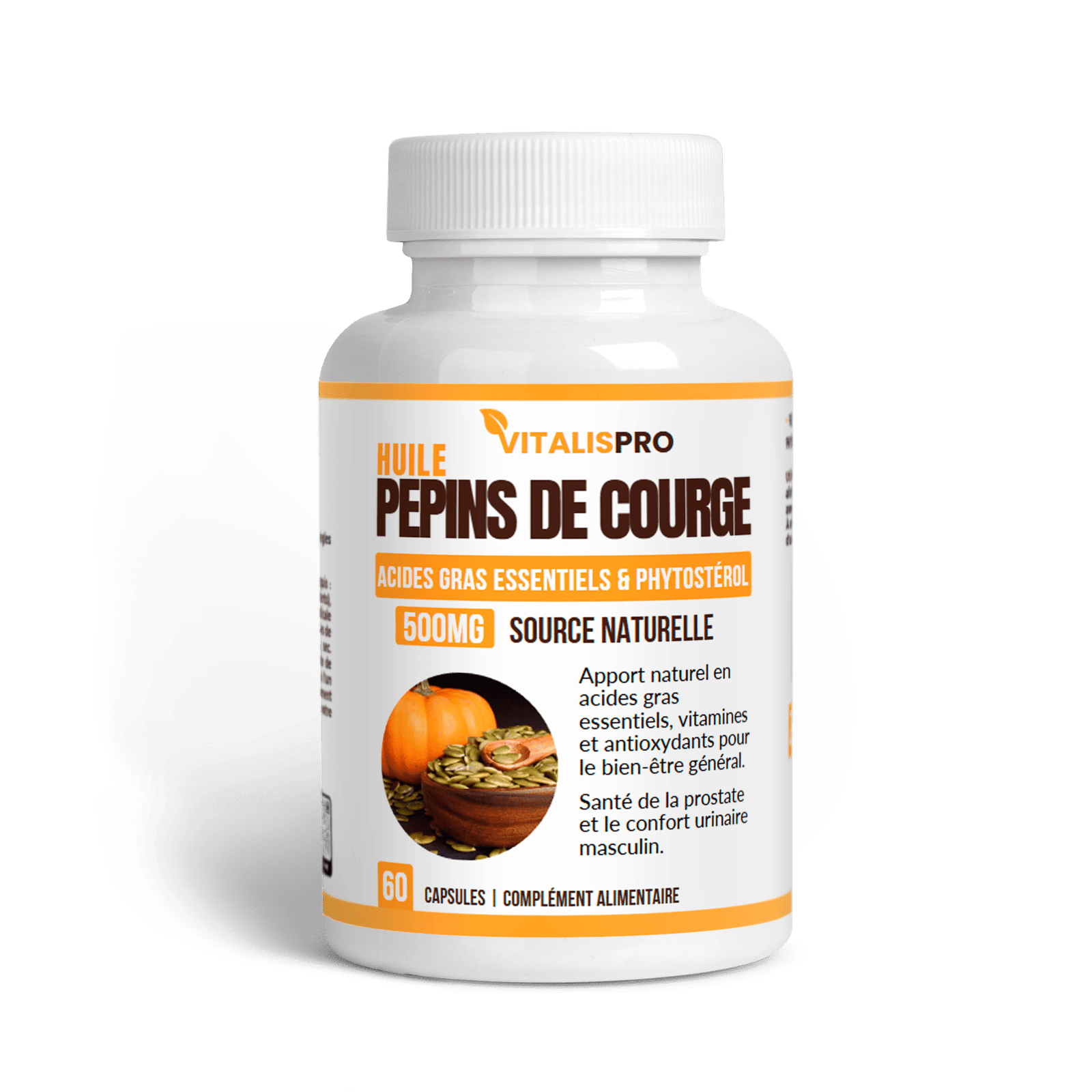
Nutrition: what supports your joints from the inside
The plate plays an important role in joint comfort, supporting the body from the inside. Several food families deserve a place of choice. The essential fatty acids found in oily fish support the body’s natural balance. Vitamin C contributes to normal collagen formation — collagen being an essential protein of cartilage and supporting tissues — a claim recognised by the European Food Safety Authority (EFSA).4 Colourful fruit and vegetables provide useful plant compounds, and adequate hydration supports the synovial fluid.
The logic is not to chase a “miracle food” for the joints, but to adopt a varied, colourful eating pattern as the foundation. The WHO stresses precisely the importance of dietary variety within a healthy lifestyle.6 Such a general frame carries more weight than any single ingredient, and it is the base on which any extra support is built.
Here is a practical guide to the main pillars of nutrition and lifestyle that accompany joint comfort, arranged by concrete priority:
| Pillar | Why it matters to the joints | A practical step |
|---|---|---|
| Low-impact movement | It keeps the joints supple and strengthens supporting muscles | A daily walk, swimming several times a week |
| Balanced weight | It lightens the load on the weight-bearing joints | Mindful eating combined with regular activity |
| Essential fatty acids | They support the body’s natural balance | Oily fish several times a week |
| Vitamin C and colourful produce | Vitamin C contributes to normal collagen formation | Varied fruit and vegetables at every meal |
| Adequate hydration | It supports the synovial fluid that lubricates | Regular glasses of water throughout the day |
| Sleep and recovery | Rest is part of tissue recovery | Consistent sleep times |
Notice that none of these pillars costs any real money: walking, water, sleep, and a varied plate are within everyone’s reach. This is a paradox worth pausing on: the strongest thing you can offer your joints is not a product you buy, but a sum of small daily decisions. The supplement comes afterwards, as an extra brick on a solid base, for anyone who chooses to add support consciously.
Collagen and cartilage: what does the research say?
Collagen is the most abundant protein in the body: it forms the structural framework of cartilage, tendons and ligaments. With age, the body’s natural collagen production tends to decline, which naturally drew researchers’ attention to the possible role of supporting sources. It is this idea — accompanying the body with collagen components — that lies behind the growing interest in its supplements, especially those linked to cartilage.
So what does the science actually say? Let us be honest: the picture is promising but inconclusive. A published review looked at the composition and the scientific knowledge around collagen supplementation for joint health, underlining the interest of the subject while calling for more rigorous work before any firm conclusion.2 Other work has explored the effects of hydrolysed collagen intake on joint and bone comfort as well as on skin ageing, with signals judged encouraging but which require confirmation.3
Why all this caution if the signals exist? Because rigorous science carefully distinguishes several levels: a laboratory experiment, an animal study, a clinical trial on humans; and then between a small study and a large one, and between a single result and a review that pools many studies. Much of what is promoted about “supplements that repair cartilage” rests on the lowest levels of this pyramid, and is then presented as established fact. Our job is to place every signal at its correct rank, not to inflate it to serve a sale.
Most important of all is to set the matter in its proper frame: these elements are studied as a possible support for joint wellbeing, never as a treatment for a joint disease. A broader review of collagen’s sources and applications recalls the diversity of its studied uses, while stressing that the evidence varies according to the type of collagen, the dose and the protocol.5 That is why we present marine collagen and shark cartilage for what they are: supportive elements with interesting but incomplete research, to be woven into a broader approach in which movement, weight and nutrition come first.
Marine collagen and shark cartilage: two sources of support
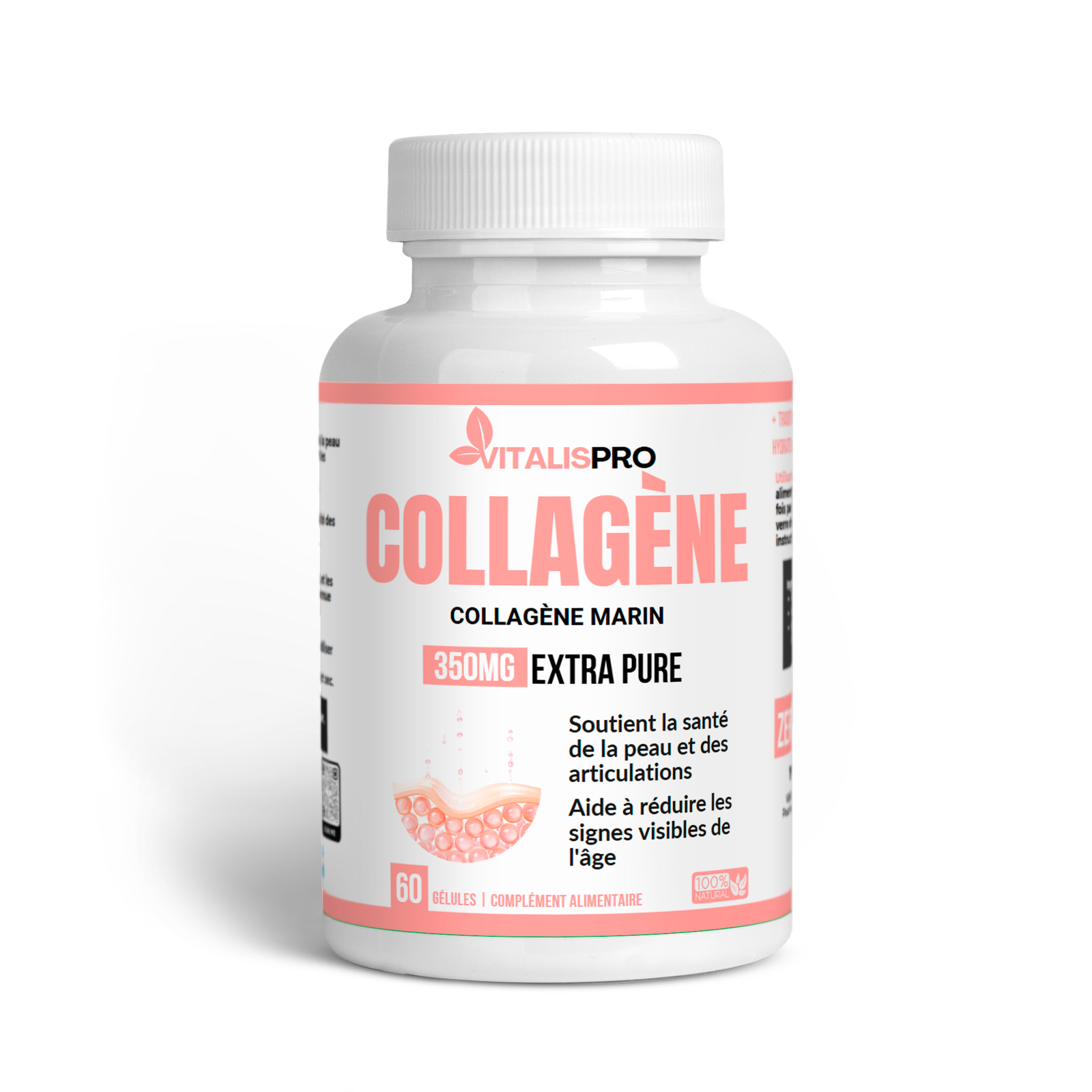
Marine collagen is valued as a source of the supporting protein that structures connective tissues. Shark cartilage is a traditional source rich in compounds associated with joint tissues. Both fit within the same logic: to provide the body with supportive elements studied for their affinity with cartilage and joint tissues. They remain supports within a complete approach — movement, weight, nutrition, hydration — and not a substitute for it.
A point many people overlook: the name on the box is not enough. What matters is the quality of the source, the purity, and the honesty of the stated dose. A product of unknown origin may contain only a trace of what it promises, while a product with a clear, authorised formula gives you what you actually think you are buying. That is why we always insist on regulatory authorisation from ONSSA: it is not a formality, but a control pathway that concerns the safety and conformity of the product.
Hydration and the synovial fluid
We often forget water when we talk about joints, though its role is fundamental. The synovial fluid that lubricates the joints and allows their smooth glide depends on the body being well hydrated. When the body is sufficiently hydrated, this natural mechanism works with greater ease. The practical rule is simple: drink water regularly throughout the day, especially in hot weather and during physical activity, without waiting to feel thirsty. Add to the water foods rich in fluids, such as vegetables and fruit.
This simple habit, alongside movement and nutrition, supports a favourable environment for your joints. The Moroccan context has its own character here: the summer heat leads some people to feel less need to drink, precisely when the body needs it more. Making hydration a reflex — a glass of water on waking, at meals, before and after a walk — is part of the same overall logic: to maintain the joint mechanism through everyday gestures that are easy to apply and easy to neglect.
A gentle daily routine
Caring for your joints does not require a complicated programme, but gentle, regular habits. Here is how to fit this care into your day, step by step, without devoting an excessive amount of time to it.
Step one: wake your joints gently
Begin the day with a few light stretches to wake the joints after a night of stillness. A few minutes are enough: gentle rotations of the shoulders, ankles and wrists, and a calm stretch of the back and legs. This small morning ritual eases the first steps and prepares the body for the movement of the day.
Step two: move regularly, without excess
Set aside time several times a week for moderate walking or swimming. Avoid sitting for too long at a stretch: stand up and move for a few moments every hour or two. These micro-breaks make a real difference to stiffness. The rule: begin gently, listen to your body, and increase gradually. Gentle consistency is far better than a violent, intermittent effort that tires the joints instead of supporting them.
If you decide to add a supportive supplement, choose a formula with clear ingredients, authorised by ONSSA, from a transparent source. Take it usually with a meal, respect the dose without ever exceeding it thinking that “more is better,” and tie it to a fixed daily habit. Any potential benefit is built through consistency over several weeks, not through a passing dose. For any question, the VitalisPro team is available through our contact page.
Step four: observe, then decide
After a sufficient period, assess objectively: how is your mobility on waking? Your comfort after a walk or a long spell of sitting? Quietly listening to your body — without magical expectations — is the best judge. And at any doubt, sharp pain or persistent symptom, consulting a healthcare professional remains the priority.

To go further, our shop presents the full VitalisPro range dedicated to everyday wellbeing, and careful reading before any decision will give you a clearer picture of what suits you.
Precautions and when to see a professional
No responsible discussion of a food supplement is complete without a frank section on its limits. “Natural” is not an automatic synonym for “suitable for everyone in all circumstances,” and awareness of this is part of respecting your health. Joint-supporting elements are generally well tolerated in healthy adults at usual doses, but caution is required in specific situations:
- Pregnancy and breastfeeding: it is advised to avoid supplements unless recommended by a healthcare professional.
- Children under 18: supplements are not intended for this group without supervision.
- Seafood allergy: marine collagen and shark cartilage come from marine sources and may not suit people allergic to fish or shellfish.
- Ongoing treatments or a known condition: consult a professional before starting, as some supplements may interact with medication.
When should you seek advice? Many mild, passing joint discomforts improve with moderate movement and good lifestyle habits. But if you feel sharp pain, swelling, heat, or a clear limitation of movement that persists, it is wise to consult a qualified healthcare professional to assess the cause. This article is educational: it aims to give you understanding and practical tools, not to diagnose any condition. The golden rule: a supplement adds; it does not fix a real imbalance on its own, and it does not diagnose or treat.
Stories from our readers
These are testimonials from people who reviewed their habits and added support to their routine; individual experiences that differ from one person to another, which we present as they are, without exaggeration:
“In my fifties, my mornings were stiff and I felt less flexible. I did not look for a miracle: I took up daily walking again, added swimming twice a week, and included marine collagen. After a few weeks, my first steps in the morning are easier. No magic, but a difference I can feel.” — Fatima, Casablanca
“What I liked was the honest message: movement and weight come first, and the supplement is support. I have been taking shark cartilage for two months alongside habits I tried to improve, and I feel more comfortable day to day.” — Abdelali, Fès
“Ordering was easy and payment was on delivery, and the formula is clear and ONSSA-authorised. I appreciate that it is natural and transparent, and I reordered.” — Khadija, Marrakech
Frequently asked questions about joint health
Conclusion: what do we take from all this?
Joint health as you age is not a matter of a miracle capsule, but of a set of habits that support one another. Gentle, regular movement, a balanced weight, a varied, colourful diet, and good hydration are the real pillars of joint comfort: daily, quiet, and within everyone’s reach. This is the essential, and it comes before everything else.
Within this frame, supportive elements such as marine collagen and shark cartilage may be an interesting accompaniment — with promising, incomplete evidence, presented honestly as it is. If you choose to add them, choose a clear, authorised formula from a transparent source, such as Marine Collagen or Shark Cartilage by VitalisPro. Wellbeing is built through knowledge and habits, not through promises; and we believe a customer’s trust is built through clarity, not exaggeration.
In the end, what distinguishes the aware consumer is not avoiding every supplement nor believing every promise, but the ability to discern: to know what science says and what it does not, to place the fundamentals before the add-ons, and to give the body its fair time. If you leave this guide with that mindset, we have reached our goal, whether or not you choose our products. For direct contact, the VitalisPro team is available through the contact page and the our team page.
Sources and methodology
This guide relied on a review of documented general scientific sources (PubMed databases) and published reviews, in addition to official bodies such as the World Health Organization (WHO) and the European Food Safety Authority (EFSA). We committed to presenting results at their true size: promising signals are presented as signals, not as definitive promises, and no therapeutic effect was claimed. The information here is for health education, not for diagnosis or a medical prescription.
References
- World Health Organization (WHO) — Physical activity (fact sheet). who.int
- Collagen Supplementation for Joint Health: Composition and Scientific Knowledge (2023). PubMed 36986062
- Beneficial effects of hydrolysed collagen intake on joint and bone health and skin ageing: a review (2015). PubMed 26267777
- European Food Safety Authority (EFSA) — health claims (including vitamin C and normal collagen formation). efsa.europa.eu
- Collagen: a review on its sources and potential cosmetic applications (2017). PubMed 29144022
- World Health Organization (WHO) — Healthy diet (fact sheet). who.int
The information in this article is provided for informational purposes for health education, drawing on documented general scientific references (PubMed, WHO and EFSA), and is not a substitute for consulting a qualified healthcare professional. Joint-support products are food supplements that do not replace a varied, balanced diet or a healthy lifestyle, and are not intended to diagnose, treat, cure or prevent any condition, including osteoarthritis. Do not exceed the recommended dose. Pregnant and breastfeeding women, children under 18, and people with medical conditions or ongoing treatments are advised to consult a professional before use. Keep out of the reach of children.
