


Nutrition and micronutrients
When we talk about nutrition, our eyes turn first to protein and the most famous vitamins, while a whole family of tiny elements stays in the shadows despite its very real role. Chromium is one of these “trace minerals” the body needs in minute amounts, yet which take part in finely tuned vital processes — among them, the way the body handles carbohydrates. What exactly is chromium? Why do researchers link it to carbohydrate metabolism? And where do we find it in our everyday food?
This guide from VitalisPro does not promise you a miracle, and it does not present any element as a magical fix. Instead, in plain language and with sourced references, it explains what trace minerals are, what chromium’s recognised role in energy metabolism is, what the research has actually observed, and where the evidence honestly stops. The goal is that you leave with an accurate picture, built on knowledge and not on advertising noise, so you can benefit from this nutrient in a responsible and balanced way.
Let us set one principle from the start: chromium is not a “switch” that regulates blood sugar on its own. It is a supportive trace mineral, a small piece of a much larger whole that includes a balanced diet, movement and sleep. Under European nutrition-claim rules, chromium contributes to normal macronutrient metabolism and to the maintenance of normal blood glucose levels within a varied diet. It is precisely from this realistic angle that talking about this element makes full sense.7
محتوى الصفحة
- 1 In brief: the essentials
- 2 In this guide
- 3 What are trace minerals and why do they matter?
- 4 Trivalent chromium: the nutritional form that counts
- 5 Chromium and carbohydrate metabolism: what does the research say?
- 6 Zinc and magnesium: the metabolic partners
- 7 Where to find chromium in our food?
- 8 Chromium in the Moroccan dietary context
- 9 The fundamentals before any supplement
- 10 How to fit support into your routine
- 11 Precautions, interactions and limits
- 12 Stories from our readers
- 13 Frequently asked questions about chromium and trace minerals
- 14 Conclusion: a small element with a precise role
- 15 Sources and methodology
In brief: the essentials
- Trace minerals are minerals the body needs in very small amounts (in micrograms), such as zinc, selenium, copper and chromium; despite these tiny doses, they act as essential helpers in dozens of cellular reactions.
- The chromium relevant to nutrition is trivalent chromium, the natural form found in foods and supplements; it contributes to normal macronutrient metabolism and to the maintenance of normal blood glucose levels.7
- Zinc contributes to normal carbohydrate metabolism, and magnesium contributes to normal energy-yielding metabolism: these minerals work together, never in isolation.
- The fundamentals — a balanced diet rich in whole foods, moderation with refined sugar, physical activity and good sleep — matter far more than any single supplement.
- VitalisPro products such as chromium picolinate, zinc and magnesium are ONSSA-authorised food supplements, meant to fit inside a healthy lifestyle. They are not medicines and not a substitute for professional advice.
What are trace minerals and why do they matter?
Trace minerals are mineral elements the body needs in very small quantities, usually measured in micrograms rather than grams. They include zinc, copper, selenium and chromium. Despite the modest amounts required, these elements act as indispensable helpers in dozens of biochemical reactions at the heart of our cells. Their absence or shortfall can be reflected in the body’s overall balance, because they often work as enzyme cofactors — tiny “keys” without which certain reactions do not proceed correctly.4
A note on vocabulary is useful here. We distinguish major minerals (such as calcium, magnesium or potassium), present in the body in larger amounts, from trace minerals or trace elements (such as zinc, copper or chromium), present in far smaller amounts. This distinction is not merely a matter of classification: it reminds us that “small quantity” never means “little importance.” A missing trace element can weigh as much as a nutrient consumed in large amounts, precisely because it governs key reactions.
Chromium, a trace mineral that draws attention
Chromium attracts growing interest because of its link to how the body uses the energy that comes from food. Contrary to some assumptions, it is not a baseless “trendy” ingredient: chromium is a trace mineral whose nutritional role has been recognised over decades of work. What makes it interesting for our subject is its involvement in the metabolic pathways that govern glucose use. We will see what this means in practice, without exaggerating or minimising.
Trivalent chromium: the nutritional form that counts
It is essential to distinguish two forms of chromium from the start. There is hexavalent chromium, an industrial form with no connection to food, and there is trivalent chromium, the natural form found in foods and food supplements — the one that concerns us here. This trivalent form is regarded as a nutritional trace element that takes part in metabolic pathways. When you read the word “chromium” in a nutrition context, it always refers to this trivalent form, safe and tied to food.
The medical encyclopaedia MedlinePlus presents chromium’s role as a nutritional trace element along with its main food sources. For its part, the U.S. National Institutes of Health Office of Dietary Supplements describes trivalent chromium as a trace element involved in macronutrient metabolism.1 Keeping this distinction in mind avoids a lot of confusion: the food form has nothing to do with the industrial form encountered in an entirely different context.
Chromium and carbohydrate metabolism: what does the research say?

This is where scientists’ interest is concentrated. In terms of recognised nutrition claims, chromium contributes to the maintenance of normal blood glucose levels and contributes to normal macronutrient metabolism — that is, to the way the body processes carbohydrates, fats and proteins to draw energy from them.7 The mechanism referred to is chromium’s involvement in the pathways that regulate glucose use inside cells. In simpler terms: chromium is a supporting element in how your body turns food into usable energy.
Beyond this regulatory frame, what has the research observed? Let us be honest: the picture is interesting but inconclusive. Researchers have studied the relationship between chromium and how the body manages glucose for decades. A systematic review and meta-analysis pooled trials on chromium supplementation and examined its effect on markers of glucose metabolism in various populations, while stressing the variation in study quality.2 Another analysis assessed the effect of chromium on glycated haemoglobin and fasting blood glucose, and it too called for larger and more rigorous work.3
So the idea is not that chromium “changes” anything radically, but that it is one of the small elements the body needs to carry out its normal metabolic functions. Rigorous science distinguishes carefully between several levels of evidence: a laboratory experiment, an animal study, a clinical trial; then a small study from a large one, and a single result from a review pooling dozens of works. Much of what is promoted about “minerals that regulate sugar” rests on the lowest level of this pyramid, and is then presented as established fact. Our job is to place every signal at its correct rank, not to inflate it to serve a sale.
For a simple, introductory look at what chromium is and its role in the body, this explanatory video offers a calm general overview of how the body handles glucose:
Most important of all, let us set the matter in its proper frame: these works were often conducted on specific populations and contexts, and they must not be translated into a promise, for the healthy reader, that a capsule will “regulate” their blood sugar. Chromium presents itself for what it is: a supportive nutritional trace element with recognised but modest roles, to be woven into a broad approach of dietary balance. That rigour, between curiosity and caution, is what we try to convey to you in every line.
Why the “form and dose” matter more than the mineral’s name
A point many people overlook: the word “chromium” on the box is not enough. What matters is the form of chromium chosen, its bioavailability, and the honesty of the stated dose. A source of unknown origin may provide only a trace of the actually absorbable element, while a formula with a clear, declared composition gives you what you actually think you are buying. This difference between a product worth its price and one that offers nothing is the heart of the quality principle we commit to. That is why we always insist on regulatory authorisation from ONSSA: it is not a formality, but a control pathway that concerns the safety and conformity of the product.
Zinc and magnesium: the metabolic partners
Chromium never works alone. Other trace minerals and minerals take part, each in their own way, in macronutrient metabolism. Zinc, for example, contributes to normal carbohydrate metabolism and to normal macronutrient metabolism: it is a trace mineral involved in a great many enzymes, some of which take part in how the body uses sugars.5 Seeing it as a partner of chromium, rather than a competitor, helps explain why a varied diet matters more than the search for a single “super-nutrient.”

Magnesium, in turn, is a mineral that contributes to normal energy-yielding metabolism and to normal muscle function.6 It takes part in a very large number of enzymatic reactions tied to the production and use of energy. Here again, it is not a remedy but a link in a chain: the body needs all of these elements, in the right proportions, to work harmoniously. For anyone who wants to complete this approach, VitalisPro offers a clear, ONSSA-authorised magnesium glycinate formula.
An important idea deserves to be set out here: “supplement stacking.” Some people, chasing a faster result, gather many boxes from scattered and unknown sources, assuming that “more is better.” The truth is exactly the opposite: random stacking raises the cost, increases the chance of interactions, and makes it harder to know what is actually helping. The safer logic is simplicity and clarity: one or two well-considered, authorised formulas are better than five obscure boxes. This is a philosophy we adopt in designing our products.
Where to find chromium in our food?

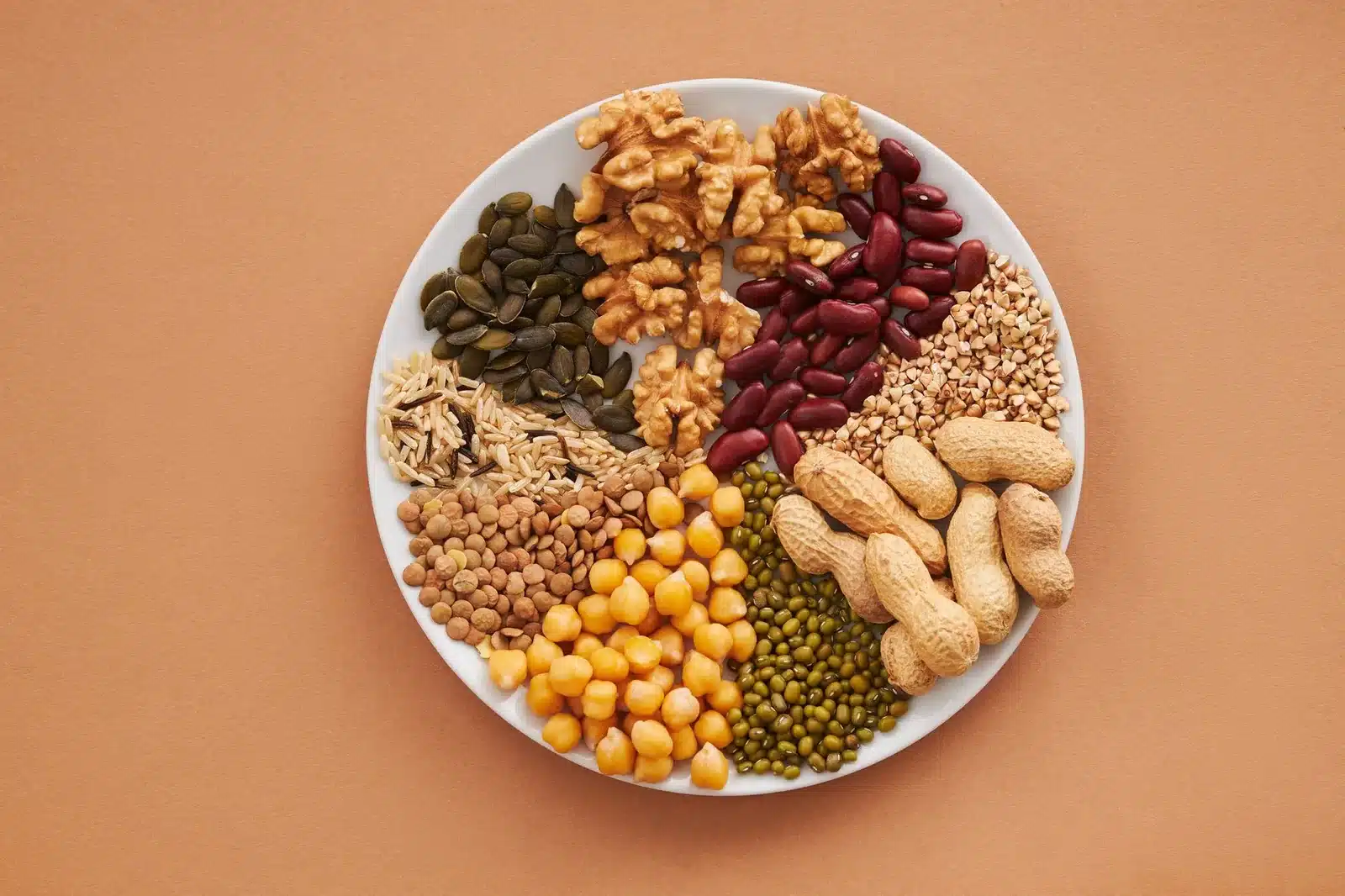
Chromium is present in a wide variety of everyday foods, even if in small amounts. Among its most notable sources: whole grains such as oats and whole wheat, broccoli, regarded as one of the richest plant sources, nuts, green beans and pulses, as well as yeast. It should be stressed that food processing and refining can reduce chromium content, which makes whole, minimally processed foods a better choice for obtaining this element naturally.
| Food group | Examples | Good to know |
|---|---|---|
| Whole grains | Oats, whole wheat, barley | Refining sharply reduces their chromium content |
| Vegetables | Broccoli, green beans, potatoes | Broccoli is one of the richest plant sources |
| Nuts and pulses | Walnuts, almonds, lentils, chickpeas | Practical sources in a Mediterranean diet |
| Other sources | Yeast, some meats, eggs | To include in a varied plate, without excess |
The World Health Organization reminds us that dietary diversity and reliance on whole foods are among the most important pillars for obtaining the nutrients the body needs, within a healthy lifestyle. In other words: before thinking about a supplement, the first “source of chromium” remains a varied, minimally processed plate.
Factors that influence the need for chromium
The need for this trace mineral varies from person to person according to several factors. Diets rich in refined sugars and ultra-processed foods can draw more heavily on the body’s reserves. Likewise, ageing, intense physical activity, or certain particular situations may raise requirements. This is why many people focus on ensuring an adequate intake through a varied diet rich in whole foods. The goal is never excess, but covering the body’s natural need within an overall dietary balance.
Chromium in the Moroccan dietary context
No discussion of trace minerals can be judged in isolation from the way we eat, and the Moroccan context has its own character. The urban diet is shifting toward processed foods and industrial sweets, at the expense of the whole grains and fresh vegetables that were the foundation of traditional cooking. This shift can be reflected in the availability of trace minerals such as chromium in the daily plate, precisely because refining tends to deplete their content.
The good news is that the remedy is already in our heritage. Returning to whole foods such as oats, broccoli, lentils and chickpeas, and cutting back on ultra-processed foods, is a simple, concrete step that supports the body’s intake of these elements, within a balanced and mindful lifestyle. There is no need to import strange “diets”: it is enough to bring our table back to its original richness. To go further, our shop presents our full range dedicated to everyday wellbeing.
The fundamentals before any supplement

Chromium, like any trace mineral, is not a standalone solution. It complements a healthy base; it does not replace it. Before even thinking about a capsule, there are pillars whose effect outweighs any single supplement. We have arranged them for you by practical priority:
| Pillar | Why it matters to metabolism | A practical step |
|---|---|---|
| Moderate refined sugar | It strains metabolic work heavily | Cut back on sodas and processed sweets |
| Whole foods and fibre | They naturally provide trace minerals | Prefer oats and whole grains over refined ones |
| A varied plate | It covers the full range of mineral needs | Vary vegetables, pulses and nuts |
| Regular movement | Physical activity supports metabolism | A daily walk, even a moderate one |
| Adequate hydration | Water accompanies every process in the body | Regular glasses throughout the day |
| Enough sleep | Rest is part of metabolic balance | Consistent sleep times |
Notice that none of these pillars costs any real money: choosing oats over a refined pastry, walking, sleeping and moderating sugar are within everyone’s reach. And this is a paradox worth pausing on: the strongest thing you can offer your metabolism is not a product you buy, but small daily decisions. That is why we always insist on placing the supplement in its correct spot: a step that comes after the fundamentals, not before.
To place all of this in a wider frame about how the body regulates glucose, this educational video offers a clear and useful explanation of insulin and glucagon:
How to fit support into your routine
Step one: start with the plate, not the box
Your first “chromium intake” is your plate. Before buying any supplement, review a week of your meals honestly: where is the refined sugar, and where are the whole foods, vegetables and pulses missing? A simple adjustment here comes before everything, and it makes whatever follows far more useful.
If you decide to add a supplement, choose a formula with clear ingredients, authorised by ONSSA, from a source that is transparent in what it offers and in its price. An authorised supplement gives you a guarantee of oversight that a product of unknown origin, entering through unofficial channels, cannot. Clarity here is part of safety.
Step three: respect the dose and consistency
Do not exceed the recommended dose on the box thinking that “more is better”: the body responds to consistency, not to shock doses. Take the supplement usually with food and a large glass of water, and tie it to a fixed daily habit so you do not forget it. Any potential benefit is built through steady use, not through a passing dose.
Step four: observe your body, then decide
After a sufficient period, assess your general sense of energy and comfort objectively. Quietly listening to your body — without magical expectations — is the best judge. And at any doubt or persistent symptom, consulting a healthcare professional remains the priority. For any question, the VitalisPro team is available through our contact page.
Precautions, interactions and limits
No responsible discussion of a food supplement is complete without a frank section on its limits. “Natural” is not an automatic synonym for “suitable for everyone in all circumstances,” and awareness of this is part of respecting your health. Trace minerals such as chromium, zinc and magnesium are generally well tolerated in healthy adults at usual doses, but caution is required in specific situations:
- Pregnancy and breastfeeding: it is advised to avoid supplements unless recommended by a healthcare professional.
- Children under 18: supplements are not intended for this group without supervision.
- Ongoing treatment or a particular medical condition: consult a professional before starting, especially if you are on medication, as some elements may interact with it.
- Do not exceed the recommended dose: for trace minerals, excess brings no benefit and is never desirable.
We add a practical reminder that is often forgotten: do not start several new supplements at the same time. If you begin them together, it becomes hard to know what helped you, what did nothing, and what may have caused any discomfort. The smarter method is to introduce one element at a time, giving it enough time to observe. This calm, gradual approach protects both your health and your wallet.
The golden rule: a supplement adds; it does not fix a real imbalance on its own, and it does not diagnose or treat a condition. At any persistent or worrying symptom, consulting a healthcare professional remains the safest and first choice; we are here to accompany you with a clear, authorised product, not to replace the doctor.
Stories from our readers
These are testimonials from people who reviewed their habits and added trace-mineral support to their routine; individual experiences that differ from one person to another, which we present as they are, without exaggeration:
“I tended to snack on sweets late in the day. I did not look for a miracle: I put whole grains back at breakfast, cut down on sodas, and added chromium with meals. After a few weeks my days feel steadier. No magic, but a difference I can feel.” — Khalid, Casablanca
“What I liked was the honest message: no spectacular promises, just support within a lifestyle. I watch my plate and have been taking zinc as a supplement for two months. I appreciate that the formula is clear and ONSSA-authorised.” — Nadia, Rabat
“Ordering was easy, with cash on delivery, and the formula is transparent. I appreciate that they explain chromium’s real role without exaggerating, and I reordered.” — Youssef, Marrakech
Frequently asked questions about chromium and trace minerals
Conclusion: a small element with a precise role
After this exploration, the picture becomes clearer. Chromium is a trace mineral the body needs in tiny amounts, yet which takes part in important metabolic processes. It contributes to normal macronutrient metabolism and to the maintenance of normal blood glucose levels, within a balanced dietary whole. It is neither a magical element nor a standalone solution, but a small piece of a larger picture that includes a varied plate, movement and good sleep.
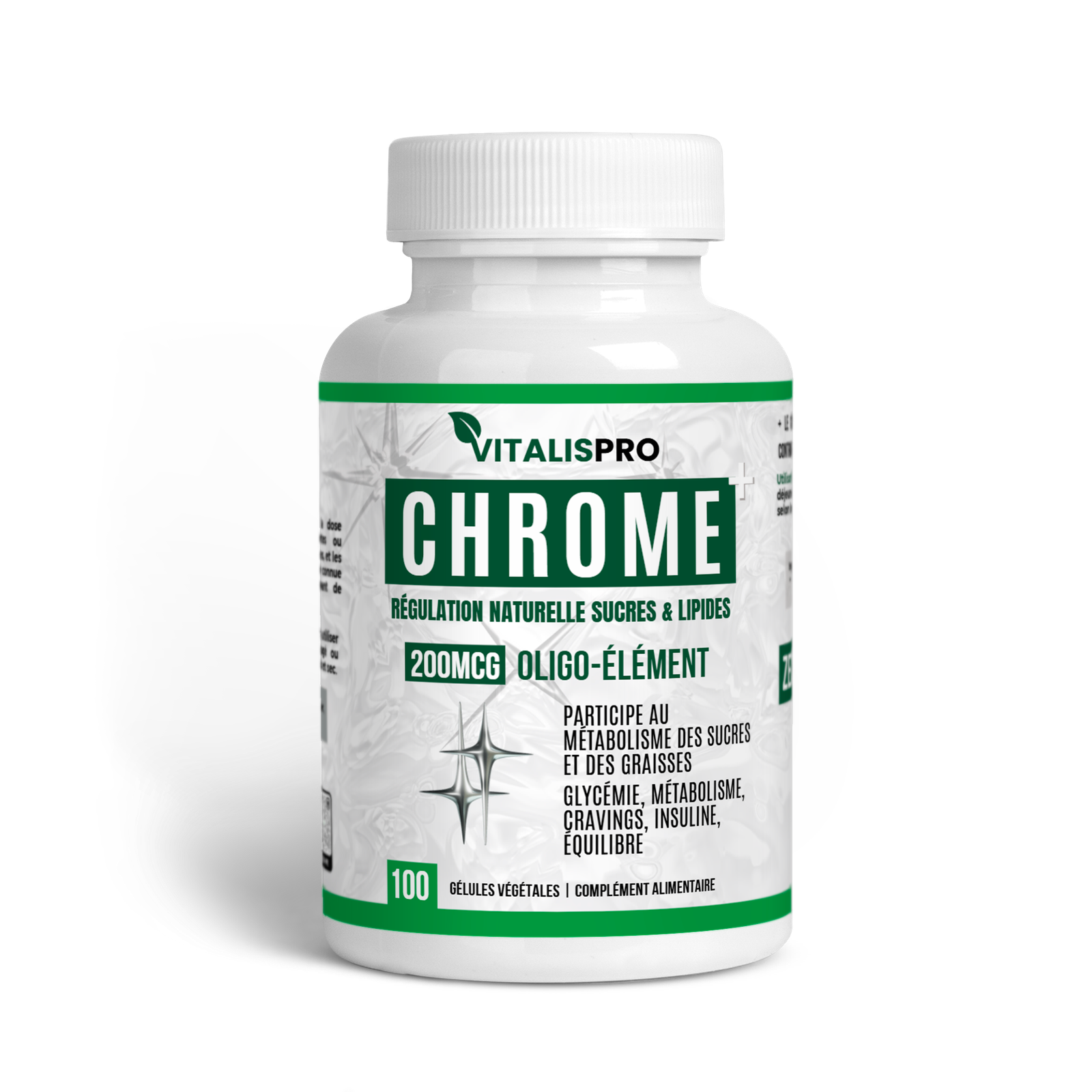
The mindful approach begins with a whole, varied plate, then considers thoughtful support if needed, with realistic expectations and respect for the body’s natural need. If you choose to add a supplement, opt for a clear, authorised formula from a transparent source, such as chromium picolinate, zinc or magnesium by VitalisPro. Wellbeing is built through knowledge and habits, not through promises; and we believe a customer’s trust is built through clarity, not exaggeration. For direct contact, the VitalisPro team is available through our our team page.
Sources and methodology
This guide relied on a review of documented general scientific sources (PubMed databases) and published systematic reviews, in addition to official bodies such as the U.S. National Institutes of Health Office of Dietary Supplements (NIH/ODS), the European Food Safety Authority (EFSA) and the World Health Organization (WHO). We committed to presenting results at their true size: recognised roles are presented as contributions, not as definitive promises, and no therapeutic effect was claimed. The information here is for health education, not for diagnosis or a medical prescription.
References
- National Institutes of Health, Office of Dietary Supplements — “Chromium” fact sheet. ods.od.nih.gov
- Systematic review and meta-analysis of the efficacy and safety of chromium supplementation (2014). PubMed 24635480
- Effect of chromium supplementation on glycated haemoglobin and fasting plasma glucose: a meta-analysis (2015). PubMed 25971249
- Micronutrients in clinical nutrition: trace elements (review, 2024). PubMed 38777456
- Zinc supplementation and glycaemic control: a systematic review and meta-analysis of randomised controlled trials (2019). PubMed 31161192
- Magnesium in man: implications for health and disease (review, 2015). PubMed 25540137
- European Food Safety Authority (EFSA) — health claims (chromium: macronutrient metabolism and blood glucose; zinc: carbohydrate metabolism; magnesium: energy-yielding metabolism). efsa.europa.eu
The information in this article is provided for informational purposes for health education, drawing on documented general scientific references (PubMed, NIH, EFSA and WHO), and is not a substitute for consulting a qualified healthcare professional. Chromium, zinc and magnesium are food supplements that do not replace a varied, balanced diet or a healthy lifestyle, and are not intended to diagnose, treat, cure or prevent any condition. Do not exceed the recommended dose. Pregnant and breastfeeding women, children under 18, and people with medical conditions or ongoing treatments are advised to consult a professional before use. Keep out of the reach of children.
