


Wellbeing and natural immunity
For thousands of years, people have known that the hive is not merely a source of honey, but a genuine chest of singular natural materials. Among these treasures, propolis holds a place of its own: the resinous substance that bees make to protect their colony. Today, this age-old product is back in the spotlight, carried by a growing scientific interest in its compounds. What exactly is propolis? And why has its name become tied to supporting the body’s natural defences?
This guide from VitalisPro promises you no miracle, and it presents propolis neither as a medicine nor as a magic shield against illness. Instead, in plain language and with sourced references, it explains what propolis really is, where its richness in plant compounds comes from, what research has — and has not yet — shown about its role in natural defences, and how to weave it sensibly into a balanced lifestyle. The goal is that you leave with a solid understanding, built on knowledge rather than on advertising noise.
Let us agree on one principle from the start: no single element “builds” strong defences on its own. Propolis is a support that makes sense only inside a whole — a balanced diet, restorative sleep, good hydration, movement. It is precisely from this realistic angle that talking about the treasures of the hive becomes useful, and not a moment before.
محتوى الصفحة
- 1 In brief: what you will learn
- 2 In this guide
- 3 What is propolis? The hive’s shield
- 4 The hidden treasure: flavonoids and plant compounds
- 5 Propolis and natural defences: what does the research say?
- 6 The other treasures of the hive: royal jelly and pollen
- 7 Propolis in Moroccan tradition
- 8 The fundamentals before any supplement
- 9 How to fit the treasures of the hive into your routine
- 10 Precautions, allergy and limits
- 11 Stories from our readers
- 12 Frequently asked questions about propolis
- 13 In conclusion: a natural treasure worth understanding
- 14 Sources and methodology
In brief: what you will learn
- Propolis is a resinous material that bees gather from tree buds and mix with their own secretions to protect and sanitise the hive; its Greek name means “before the city.”
- What interests research is its richness in plant compounds — chiefly flavonoids and phenolic acids — whose composition varies greatly with the region and the plants surrounding the hive.
- Propolis has traditionally been linked to supporting the natural defences, especially during seasons full of challenges; research is exploring this role, but it is a support within a lifestyle, not a treatment.
- The fundamentals — a varied diet, sleep, hydration, movement — matter far more than any single supplement; propolis is added to them, never a substitute for them.
- VitalisPro products such as Propolis 300 mg, Royal Jelly and the Beehive Treasures Pack are ONSSA-authorised food supplements, with cash on delivery across Morocco; they are not medicines and not a substitute for professional advice.
What is propolis? The hive’s shield
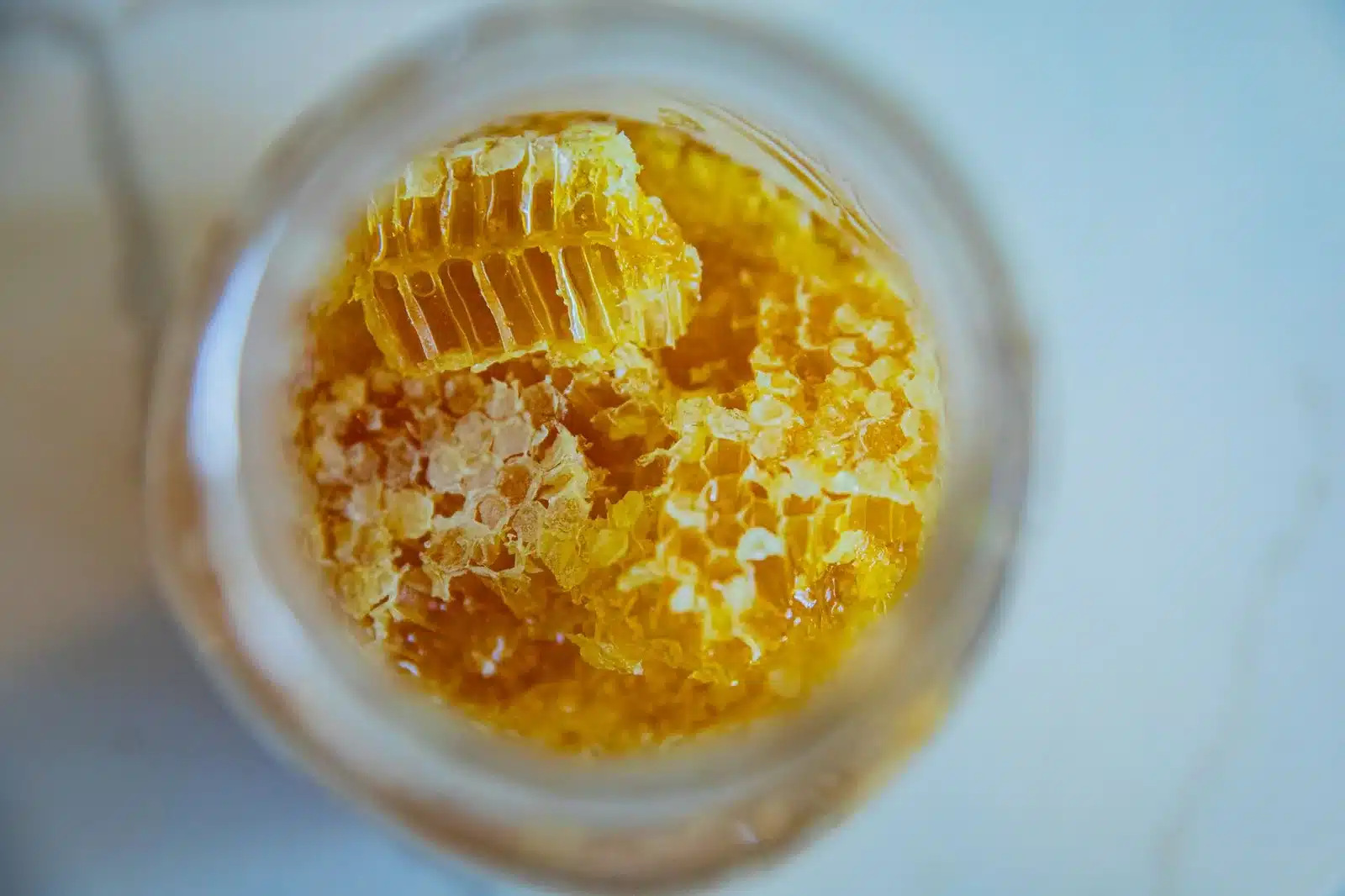
Propolis is a resinous material that bees collect from the buds and bark of certain trees, then mix with their own secretions to make a kind of natural “glue.” They use it to seal cracks in the hive, line its inner walls, and keep it clean. The word itself comes from Greek and means “before the city,” a reference to its protective role at the entrance of the colony. In that confined space where tens of thousands of bees live together, propolis acts as a coating that helps limit the spread of micro-organisms.
What draws researchers’ attention is its complex, shifting composition. Unlike a single, stable molecule, propolis is a living mixture: its content of plant resins, waxes, essential oils and active compounds varies with the flora around the hive and with the geographic region. Propolis harvested in a temperate forest does not have the exact same profile as propolis from a Mediterranean or tropical region. This diversity, far from being a flaw, is at the heart of its singularity — but it also explains why origin and quality matter so much when you evaluate a product.
Let us bring the picture closer with a simple image: propolis is to the hive what a protective coating is to a house. It does not “feed” the bees the way honey does; it protects the environment in which they live. It is this defensive function, observed since antiquity, that has fuelled the human imagination around this substance and that, even today, shapes the questions science asks of it.
An ancient product, rediscovered by modern curiosity
Propolis is nothing new. Ancient civilisations already used it for its supposed preserving and protective virtues. What is new, however, is the scientific gaze now turned on its composition: researchers seek to identify its molecules precisely, understand their properties, and honestly separate what rests on solid observation from what remains a hypothesis. This meeting of traditional knowledge and the rigour of research is exactly the spirit in which we approach this treasure of the hive.
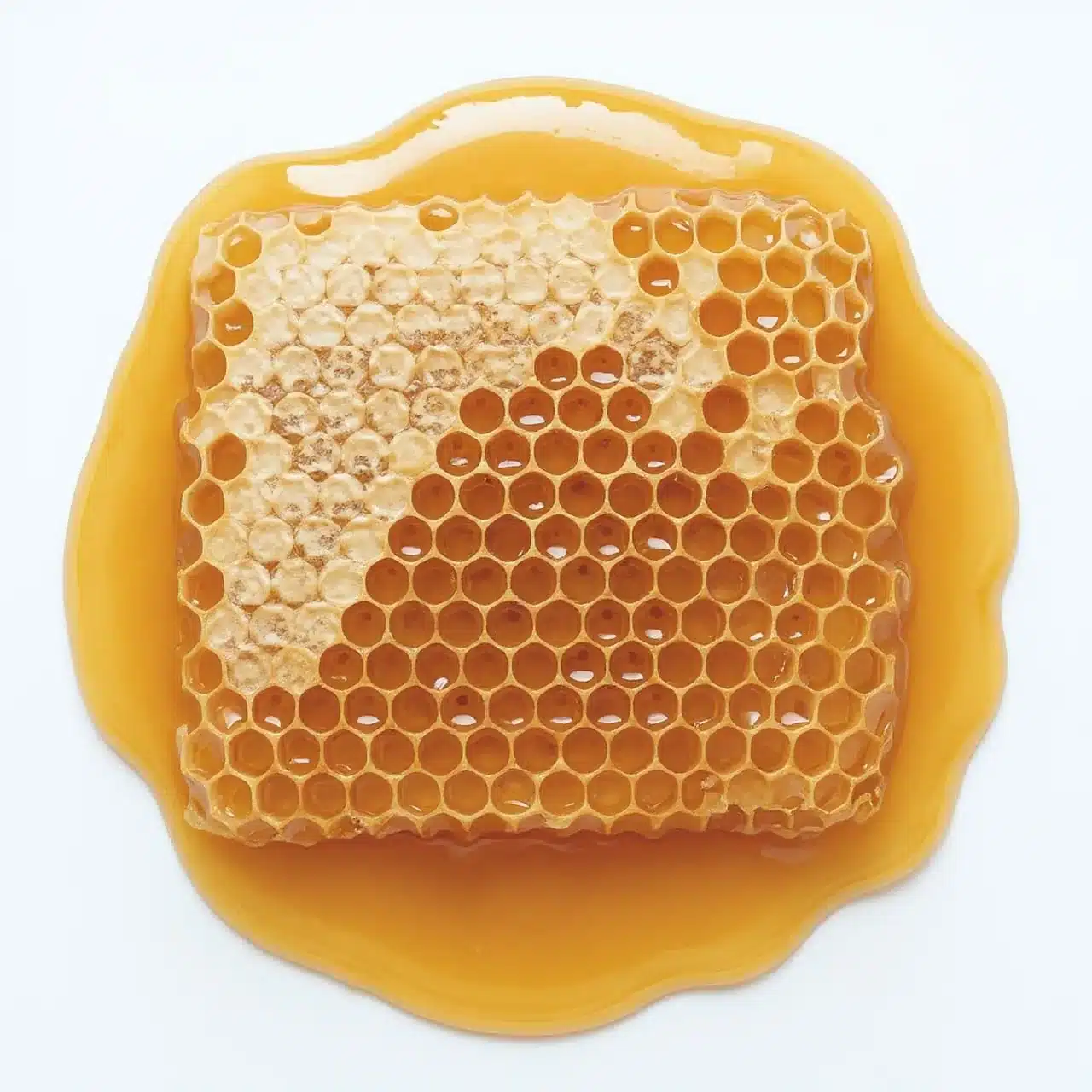
What truly sets propolis apart is its richness in a wide range of plant compounds, foremost among them flavonoids and phenolic acids. These molecules, also found in many fruits, vegetables and plants, are precisely the focus of the scientific interest in propolis. A review published on PubMed surveyed the chemical diversity of propolis and its components, along with the properties studied in the laboratory.3 Researchers are particularly interested in their antioxidant properties — that is, their capacity to help protect cells against oxidative stress.
But one point deserves to be stated honestly: the content of these compounds varies considerably from one propolis to another. Two jars bearing the same word “propolis” may have very different profiles depending on the region of harvest, the season and the plants foraged. That is why transparency about origin, and the mention — where it exists — of a standardised concentration of active compounds, are good markers of quality. Propolis is not a single, uniform product, but a rich and varied family whose value depends on the honesty of its provenance.
For a simple, accessible introduction to what propolis is and how bees produce it, this educational video from a beekeeper offers a calm overview:
Propolis and natural defences: what does the research say?
Historically, propolis has been linked to supporting the body’s natural defences, especially during the seasons when climatic challenges multiply. It is this long-standing reputation that today prompts scientists to examine the possible role of its plant compounds in this context. A review published in a peer-reviewed scientific journal took stock of the antioxidant and immunomodulatory activities of propolis, underlining both the interest of the data and the need for further work.2
Let us be honest about what this means: the picture is interesting but inconclusive. Research distinguishes carefully between several levels of evidence — the laboratory experiment on cells, the study on an animal, then the clinical trial on humans; and between a small study and a large one, between a single result and a review pooling many works. Much of what we hear about “plants that boost immunity” rests on the lower levels of this pyramid, and is then presented as established fact. Our job is to place every signal at its correct rank, not to inflate it to serve a sale.
We must also be clear about vocabulary. European scientific authorities, including the European Food Safety Authority (EFSA), strictly regulate health claims, and have not approved a specific claim presenting propolis as a means to “treat” or “prevent” infections.4 That is why we present propolis for what it is: a traditional supporting element, with promising but incomplete research, that fits inside a broader wellbeing approach. It replaces neither treatment nor the advice of a healthcare professional.
The most important point may be this: no single element “builds” strong defences on its own. The strength lies in complementarity. Propolis works within a whole that includes a balanced diet, enough sleep, good hydration and other nutrients such as vitamin C and zinc. The World Health Organization indeed reminds us that a balanced lifestyle is the first foundation of health.6 Seeing propolis as a piece of this puzzle, and not as the whole solution, is the only honest way to speak of it.
Why origin and quality matter more than the name on the label
More than most other ingredients, propolis depends heavily on its source. Its chemical composition is directly influenced by the plants surrounding the hive and by the region of harvest. This makes transparency about origin and manufacturing quality two essential criteria when choosing a product. A material of unknown origin, arriving through informal channels, may contain only a small share of active compounds, while a product with a clear provenance and ONSSA authorisation gives you what you actually think you are buying. This difference between a product worth its price and one that offers nothing is the heart of the quality principle we commit to.
The other treasures of the hive: royal jelly and pollen
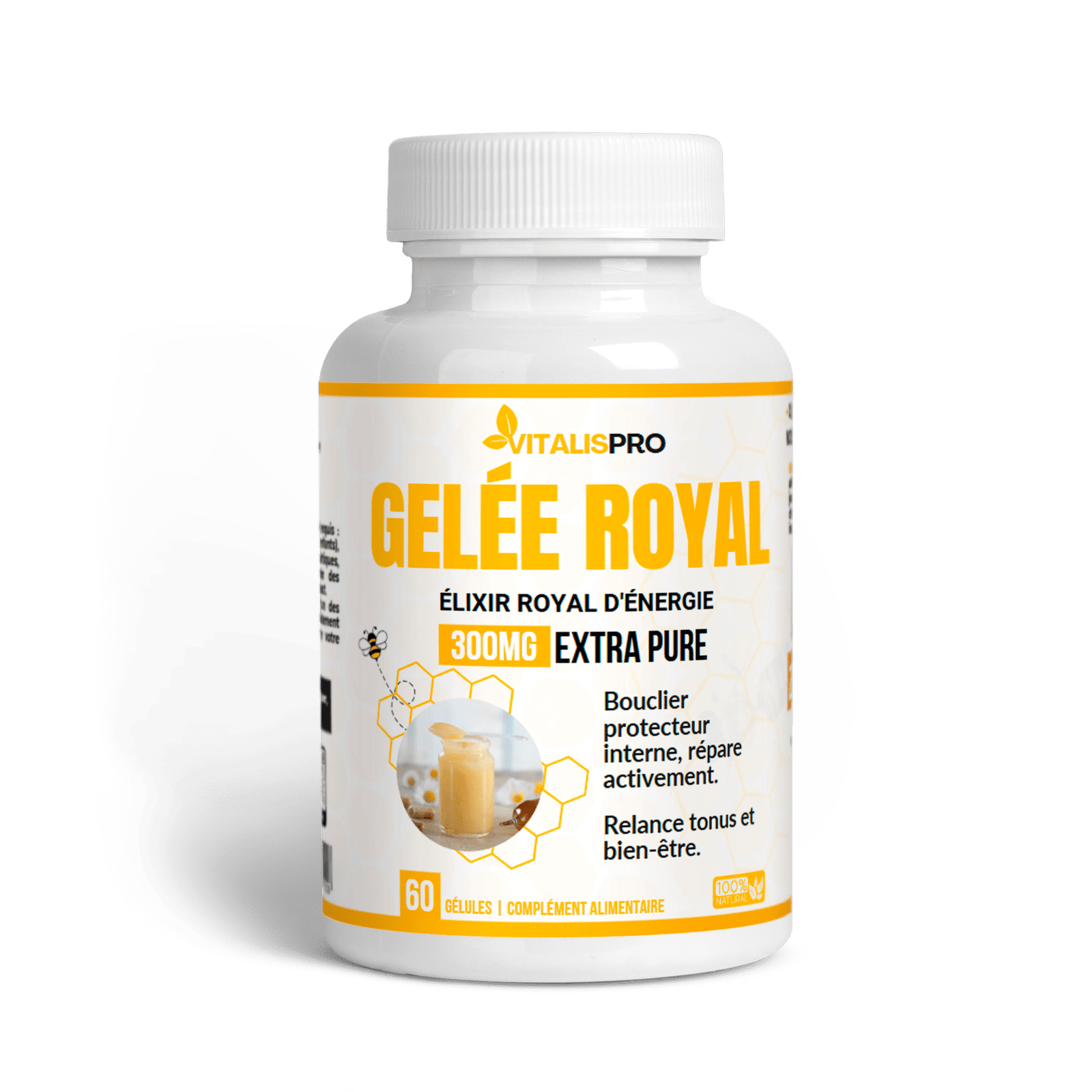
Propolis is not the only treasure of the hive. There is also royal jelly (sometimes called “bee milk”), the rich substance on which queen larvae feed, and which tradition has long linked to supporting vitality. A recent systematic review took stock of the components of royal jelly and of the properties studied, while again calling for more rigorous work before any firm conclusion.5 As with propolis, honesty means presenting royal jelly as an interesting traditional support, not as a guaranteed promise.
There is also pollen, rich in nutrients, and of course honey, present in our culinary heritage for generations. Each of these products has its own signature, and they are often brought together in approaches that aim to support vitality and natural defences, in a spirit of integration inspired by the wisdom of nature. For anyone who wants a general, reliable reference on hive products and natural supplements, the MedlinePlus database of the U.S. National Library of Medicine offers a documented starting point.1
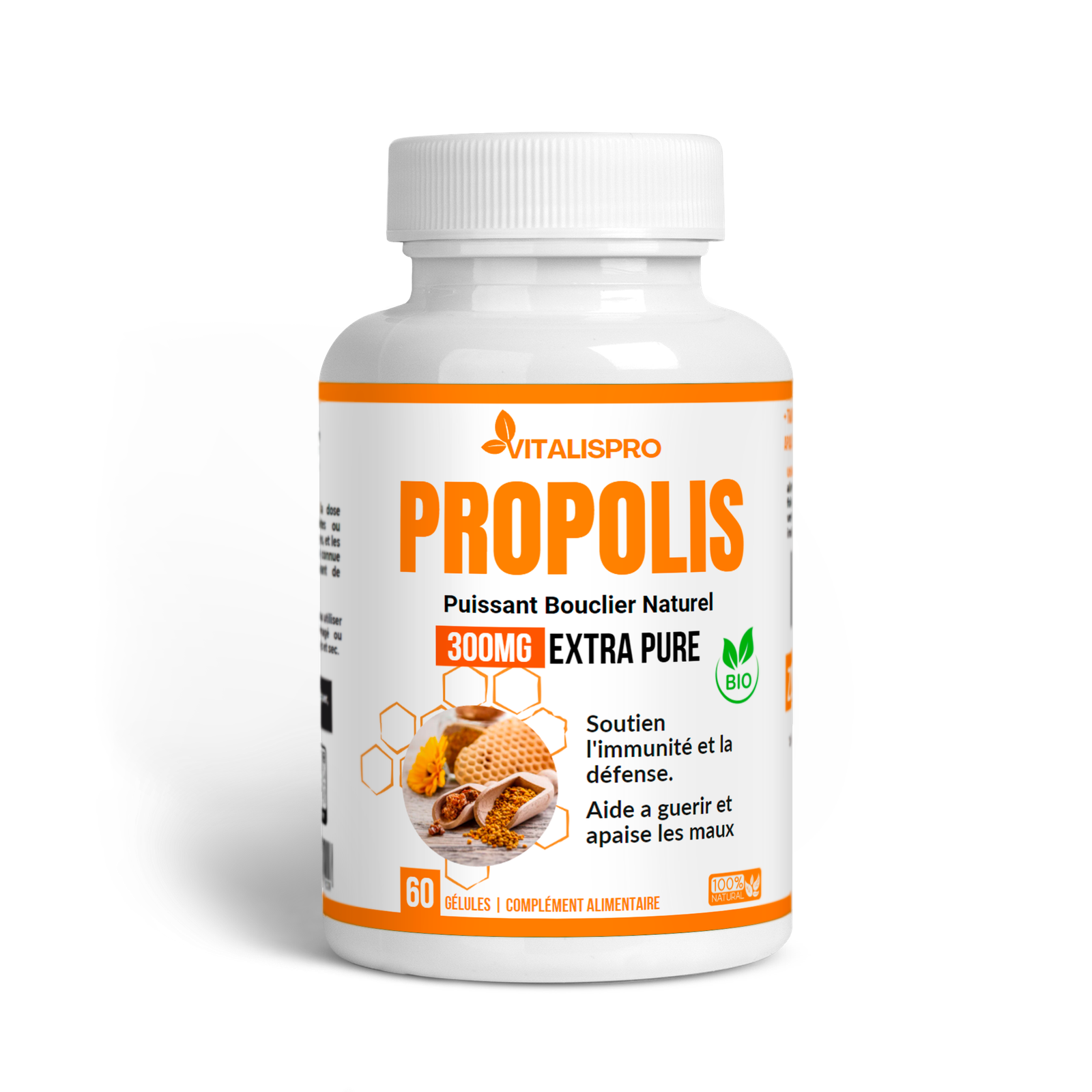
The smarter approach is not to chase the “miracle product,” but the considered combination of complementary elements. It is in this spirit that VitalisPro offers, alongside propolis, its royal jelly for the support of vitality, as well as a Beehive Treasures Pack that brings the two together in a logic of complementarity, rather than stacking scattered jars of uncertain origin.
Propolis in Moroccan tradition
Hive products hold an ancient place in Moroccan and Arab heritage in general. Honey and its by-products have accompanied traditional recipes and home care for generations, and in the collective imagination they have become tied to nature and authenticity. Propolis is part of this heritage, even if it is less known than honey itself. This cultural presence partly explains the renewed enthusiasm it enjoys today, at a time when more and more people seek natural allies to complement a healthy lifestyle.
But the wise approach brings two things together: esteem for this heritage and reliance on what modern science says, rather than resting on tradition alone. To marry the wisdom of traditions with the rigour of research — that is the optimal balance. There is no need to import habits from elsewhere: it is often enough to rediscover the value of what has always been part of our culture, with an informed eye and realistic expectations.
To go further, our shop presents our full range dedicated to everyday wellbeing, and you can learn more about our approach through our team page. Careful reading before any decision always gives you a clearer picture of what suits you.
The fundamentals before any supplement
Before thinking about any capsule, there are pillars whose effect outweighs any single supplement. Propolis, like any treasure of the hive, comes after these foundations, never in their place. We have arranged them for you by practical priority:
| Pillar | Why it matters to your defences | A practical step |
|---|---|---|
| A varied, colourful diet | It provides the nutrients that contribute to the normal function of the immune system | Fruit and vegetables of different colours every day |
| Enough regular sleep | Rest is part of the body’s recovery and balance | Consistent bedtimes, as much as possible |
| Regular hydration | Water accompanies every process in the body | Regular glasses throughout the day |
| Moderate physical activity | Movement supports overall balance and metabolism | A daily walk, even a short one |
| Stress management | Chronic stress weighs on the body’s overall balance | Breaks, breathing, time for yourself |
| Vitamin C and zinc from food | They contribute to the normal function of the immune system | Citrus, vegetables, pulses, seafood |
Notice that none of these pillars costs any real money: sleep, water, walking and a balanced plate are within everyone’s reach. This is a paradox worth pausing on: the strongest thing you can offer your natural defences is not a product you buy, but small daily decisions, kept consistently throughout the year. That is why we always insist on placing the supplement in its correct spot: an extra brick on a solid base, not an attempt to patch up an unbalanced lifestyle.
When these foundations are built, any supplement we turn to takes on meaning. Waiting for salvation from a capsule while the habits stay the same is an illusion that always disappoints. Propolis adds; it does not build the house on its own.
How to fit the treasures of the hive into your routine
Step one: start from realistic expectations
The wise use of propolis begins with a good understanding of its nature. It is not a remedy that acts overnight, but a supporting element built over time. It is generally used within a programme, especially during seasons full of climatic challenges, while respecting the dose recommended on the box. Do not look for a spectacular immediate effect: any possible benefit is built through consistency, within a whole.
Since propolis quality depends so much on its source, favour a formula with transparent provenance, authorised by ONSSA. An authorised product gives you a guarantee of oversight that a material of unknown origin never will. Clarity here is part of safety.
Step three: start gently, especially if you are sensitive
If you are using propolis for the first time, start with a small amount to observe how your body responds, particularly if you have a history of sensitivity to bee products or bee stings. Tie the intake to a fixed daily habit — with a meal, for instance — so you do not forget it, and always respect the stated dose.
Step four: fit it into a whole, not in isolation
Finally, remember that propolis is a support within an overall approach. Weave it into a balanced diet rich in vegetables and fruit, enough sleep, good hydration and regular movement. For any question, the VitalisPro team is available through our contact page. And at any doubt, or in the case of ongoing treatment, consulting a healthcare professional remains the first reference.
For a broader look at the benefits traditionally associated with bee products, this educational video offers an accessible overview:

Precautions, allergy and limits
No responsible discussion of a food supplement is complete without a frank section on its limits. “Natural” is not an automatic synonym for “suitable for everyone in all circumstances,” and awareness of this is part of respecting your health. The most important point of attention with propolis is the risk of allergy:
- Allergy to bee products: propolis may cause a reaction in people sensitive to bee products or bee stings. When using it for the first time, start with a small amount and observe how your body reacts.
- Pregnancy and breastfeeding: it is advised to avoid supplements unless recommended by a healthcare professional.
- Young children: propolis is not intended for young children without professional supervision.
- Ongoing treatment or a known condition: consult a professional before starting, as some supplements may interact with medication.
We add a practical reminder that is often forgotten: do not start several new supplements at the same time. If you begin them together, it becomes hard to know what helped you, what did nothing, and what may have caused any discomfort. The smarter method is to introduce one element at a time, giving it enough time to observe. This calm, gradual approach protects both your health and your wallet.
The golden rule: a supplement adds; it does not fix a real imbalance on its own, and it does not diagnose or treat a condition. This article is educational and is not intended to diagnose any situation. At any persistent or worrying symptom, consulting a healthcare professional remains the safest and first choice; we are here to accompany you with a clear, authorised product, not to replace the doctor.
Stories from our readers
These are testimonials from people who have added the treasures of the hive to a lifestyle they strive to balance; individual experiences that differ from one person to another, which we present as they are, without exaggeration:
“As winter approaches, I like to have a small ritual: propolis with a meal, on top of my plate and good sleep. I am not looking for a miracle, but I appreciate having a natural ally in my routine, and ordering was simple with cash on delivery.” — Karim, Casablanca
“What I liked was the honest message: no exaggerated promises, just support within a lifestyle. I take royal jelly for vitality, and I appreciate that the formula is clear and ONSSA-authorised.” — Salma, Rabat
“I chose the Beehive Treasures Pack to have propolis and royal jelly together. The approach is transparent, it is natural, and I reordered. Because I am sensitive, I started gently, and everything went well.” — Younes, Marrakech
Frequently asked questions about propolis
In conclusion: a natural treasure worth understanding
Propolis is a beautiful example of the meeting between the heritage of nature and the curiosity of modern science. This material that bees make to protect their hive carries a composition rich in plant compounds that draws the interest of researchers. Historically linked to supporting the natural defences, it is now the subject of work that explores its role, though the proof is not yet conclusive. A mature understanding places it correctly: a supporting element within a whole that includes a balanced diet, sleep, hydration and movement — not an isolated solution.
And because its composition varies with origin, attention to quality, provenance and transparency remains essential. Finally, because of the risk of allergy in some people, wise and gradual use — with a professional consulted when needed — remains the best approach. Always remember that the strongest support for your natural defences lies in consistent daily habits, throughout the year, and not in a single element, however precious it may be. If you leave this guide with that mindset, we have reached our goal — whether or not you choose our products.
Sources and methodology
This guide relied on a review of documented general scientific sources (PubMed databases) and published reviews, in addition to official bodies such as the U.S. National Library of Medicine (MedlinePlus), the European Food Safety Authority (EFSA) and the World Health Organization (WHO). We committed to presenting results at their true size: promising signals are presented as signals, not as definitive promises, and no therapeutic effect was claimed. The information here is for health education, not for diagnosis or a medical prescription.
References
- MedlinePlus, U.S. National Library of Medicine — “Propolis” monograph. medlineplus.gov
- The antiviral and immunomodulatory activities of propolis: an update and future perspectives for respiratory diseases (2022). PubMed 34725836
- Propolis, bee honey and their components: a review of composition and studied properties (2021). PubMed 33669054
- European Food Safety Authority (EFSA) — health claims and botanicals. efsa.europa.eu
- Royal jelly, a promising functional food supplement: a systematic review (2024). PubMed 39296128
- World Health Organization (WHO) — “Healthy diet” fact sheet. who.int
The information in this article is provided for informational purposes for health education, drawing on documented general scientific references (PubMed, MedlinePlus/NIH, EFSA, WHO), and is not a substitute for consulting a qualified healthcare professional. Propolis and hive products are food supplements that do not replace a varied, balanced diet or a healthy lifestyle, and are not intended to diagnose, treat, cure or prevent any condition. Do not exceed the recommended dose. Propolis may cause a reaction in people allergic to bee products. Pregnant and breastfeeding women, young children, and people with medical conditions or ongoing treatments are advised to consult a professional before use. Keep out of the reach of children.
