


Everyday wellbeing and energy
Many men go through stretches when energy dips, drive fades, and general vitality seems to be running on standby. Work pressure, short nights, or simply the natural march of age often have something to do with it. Around this subject, we mostly find awkward silence and a lot of received ideas. The truth is far calmer, though: men’s vitality is not a riddle, but the result of a system in which lifestyle, nutrition and nervous balance all work together.
This guide from VitalisPro does not sell a miracle and does not promise a “magic solution.” Instead, in plain language and with sourced references, it explains how men’s everyday energy is actually built: the role of sleep, movement, the plate and stress management, and then the place research gives to a few traditional plants such as tongkat ali, maca and ginseng. The goal is that you leave with a decision built on knowledge, not on advertising noise.
Let us agree on one principle from the start: vitality is not a switch you flip back on with a providential capsule. It is a patient construction, made of small repeated decisions, to which well-chosen natural elements can add complementary support — never a substitute. It is precisely from this realistic angle that talking about supplements begins to make sense: after the fundamentals, not in their place.

محتوى الصفحة
- 1 In brief: what you will learn
- 2 In this guide
- 3 Vitality: a system, not a single element
- 4 The lifestyle pillars that support energy
- 5 Zinc: the mineral tied to men’s energy
- 6 The supporting plants studied by science
- 7 Adaptogens: what does the word mean?
- 8 The mistakes that drain vitality
- 9 Vitality and age: what is normal, what deserves attention
- 10 How to fit support into your routine
- 11 Precautions, interactions and limits
- 12 Stories from our readers
- 13 Frequently asked questions about men’s vitality
- 14 Conclusion: vitality is a project
- 15 Sources and methodology
In brief: what you will learn
- Men’s vitality is not a single element: it is a system combining sleep quality, physical activity, nutrition, stress management and general health.
- The fundamentals matter far more than any single supplement taken alone: enough sleep, regular movement, a balanced diet and a calmer nervous system form the base.
- Zinc is a key everyday mineral: it contributes to normal macronutrient metabolism, to the protection of cells from oxidative stress, and to the maintenance of normal testosterone levels — health claims recognised by EFSA.
- Traditional plants such as tongkat ali, maca and ginseng are studied for their role in supporting energy and tone; the signals are interesting, but the use is one of general wellbeing, not treatment.
- VitalisPro products such as Tongkat Ali, Maca and the Men’s Vitality Pack are ONSSA-authorised food supplements, meant to fit inside a healthy lifestyle. They are not medicines and not a substitute for professional advice.
Vitality: a system, not a single element
The first thing to understand is that men’s vitality rests on a delicate balance between several factors: sleep quality, level of physical activity, nutrition, stress management and general health. When one of these pillars wobbles, energy and drive suffer at once. That is why the healthiest approach does not chase a “single cure,” but works on the system as a whole. The good news? Most of these pillars are in our hands and improve through conscious habits.
Take a simple image. Vitality is less like a tank you fill all at once than like a savings account you feed day after day. A restorative night, a walk, a balanced meal, a moment of calm: each of these small decisions is a deposit. Conversely, sacrificed nights, a sedentary routine and chronic stress are withdrawals. The balance you feel in the morning is only the sum of all these movements. That is why no single capsule can rebuild the account on its own: it can contribute, not replace.
The World Health Organization stresses that regular physical activity is among the most powerful factors for energy and general health in adults.1 This is not a detail: it is a reminder that the most effective levers are often the simplest, and the most free.
The lifestyle pillars that support energy
1. Sleep: the forgotten cornerstone
Good sleep is not a luxury; it is a necessity for the body’s recovery and its natural balance. Chronic lack of sleep feeds straight into energy, mood and general vitality. It is also during the night that much of the body’s natural hormonal rhythm settles. Aim for regular, sufficient sleep, and steady your schedule as much as you can: going to bed and waking at similar hours, even at the weekend, is often worth more than long catch-up lie-ins. Before hunting for a “boost,” first ask how many hours you actually sleep.
2. Regular movement
Exercise, especially strength training and regular moderate activity, supports circulation, energy and overall balance. You do not need an exhausting programme: consistency matters more than intensity. A daily walk, a few strength sessions a week, and simply moving more during the day are enough to restart a stiffened machine. The well-known paradox holds: spending energy through movement is one of the most reliable ways to recover more of it.
3. A balanced diet
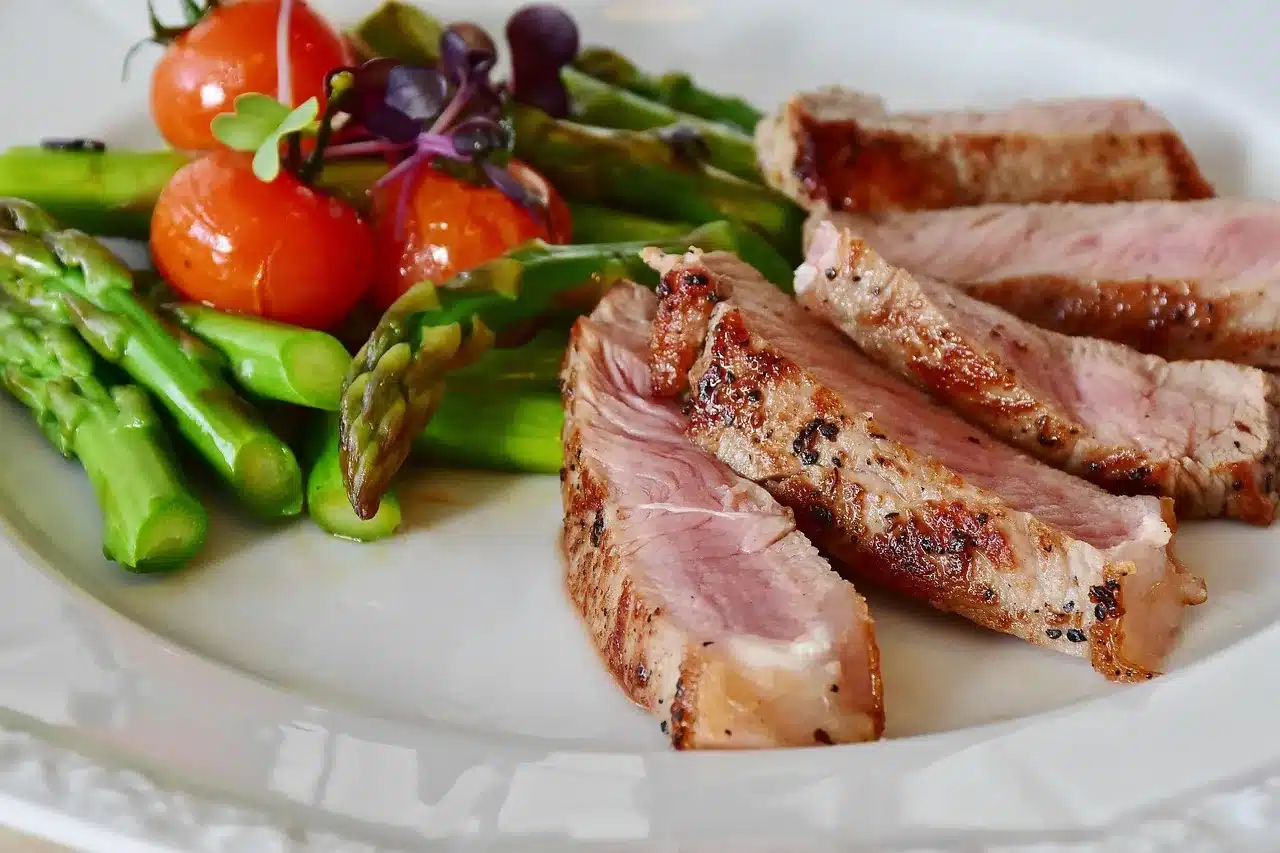
A balanced plate is the body’s fuel. Enough protein, healthy fats and minerals such as zinc all take part in the natural functions tied to vitality. Cut back on ultra-processed foods and fast sugars in favour of whole, colourful foods: vegetables, pulses, fish, eggs, nuts and seeds. This is not about deprivation, but about nutritional density: giving the body real nutrients rather than empty calories that trigger energy roller-coasters.
4. Stress management
Chronic stress is one of the most draining factors for vitality. Building tools to calm the nervous system — breathing, walking, social connection, screen-free time — is an essential part of the equation. A man who is constantly tense burns his baseline energy, even at rest. Learning to release the pressure is not an optional comfort: it is a direct component of the energy you feel day to day.
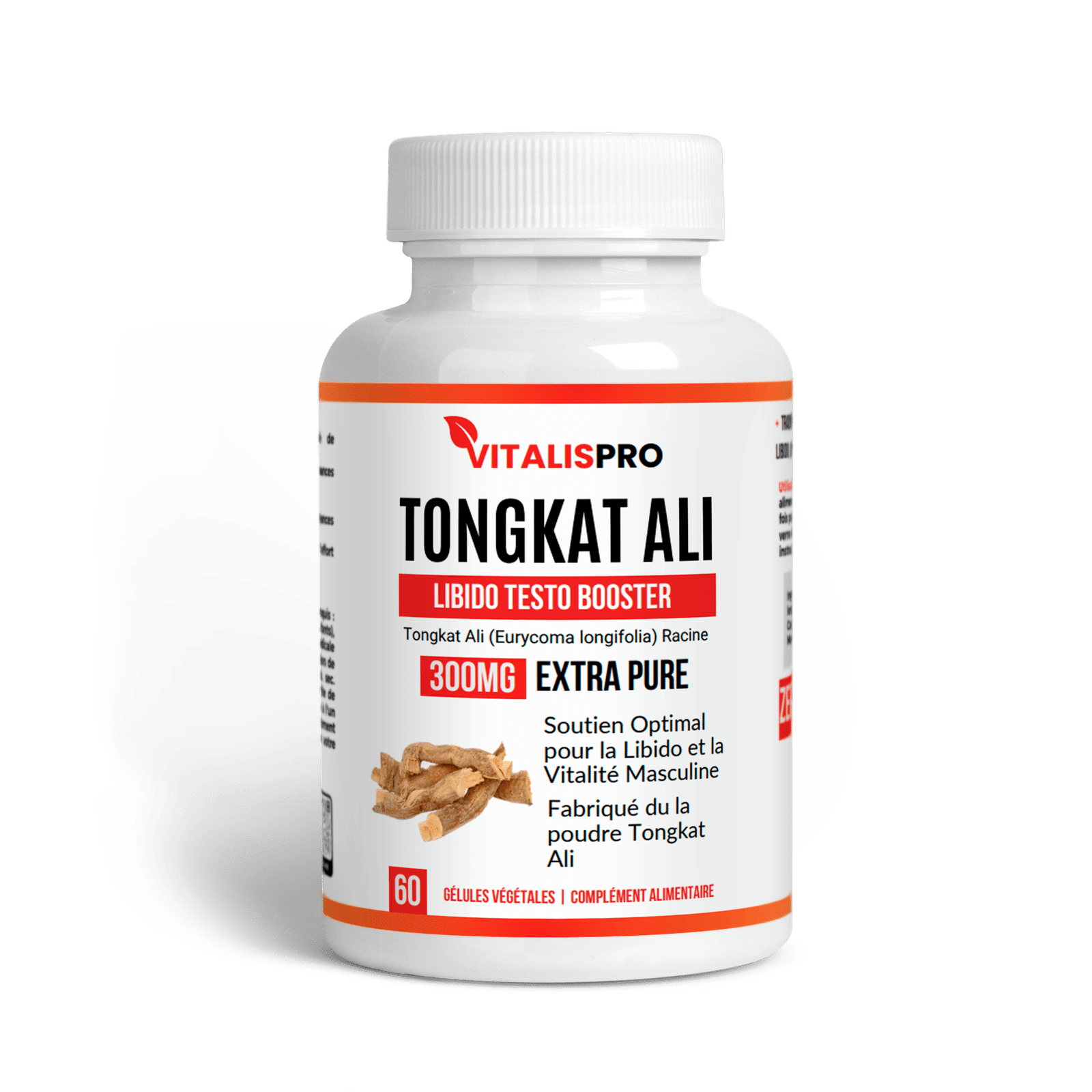
For anyone who has already laid these fundamentals and wants to add targeted traditional support, VitalisPro offers clear, dosed formulas. Tongkat ali, a traditional Asian root, is one of the most studied in the context of men’s tone and vitality.
Zinc: the mineral tied to men’s energy
Among minerals, zinc draws particular attention in the context of men’s vitality. Zinc contributes to normal macronutrient metabolism, to the protection of cells from oxidative stress, to the maintenance of normal cognitive function, and to the maintenance of normal testosterone levels in the blood and normal fertility — health claims recognised at European level. Covering the body’s zinc needs is therefore naturally part of the system that supports everyday energy.
Its sources are accessible: meat, seafood, seeds (especially pumpkin seeds) and pulses. A balanced diet often covers this need without difficulty. You can read about the role of zinc in the body via the fact sheet from the Office of Dietary Supplements at the U.S. National Institutes of Health (NIH).5 The message is simple: before thinking “supplement,” it is worth checking that the plate already provides the essentials.
The supporting plants studied by science
Alongside lifestyle, several traditional plant elements are studied for their role in supporting vitality and energy. Let us look at them honestly: interesting signals, research still under construction, and a use that belongs to general wellbeing.
Tongkat ali
Tongkat ali (Eurycoma longifolia) is a Southeast Asian root long used in tradition. A controlled trial observed, in moderately stressed adults, a favourable change in certain stress-related markers and in mood state after regular supplementation.2 It is one of the plants most associated, in the research, with the context of men’s tone and vitality — while remaining, let us repeat, a support and not a treatment.
Maca
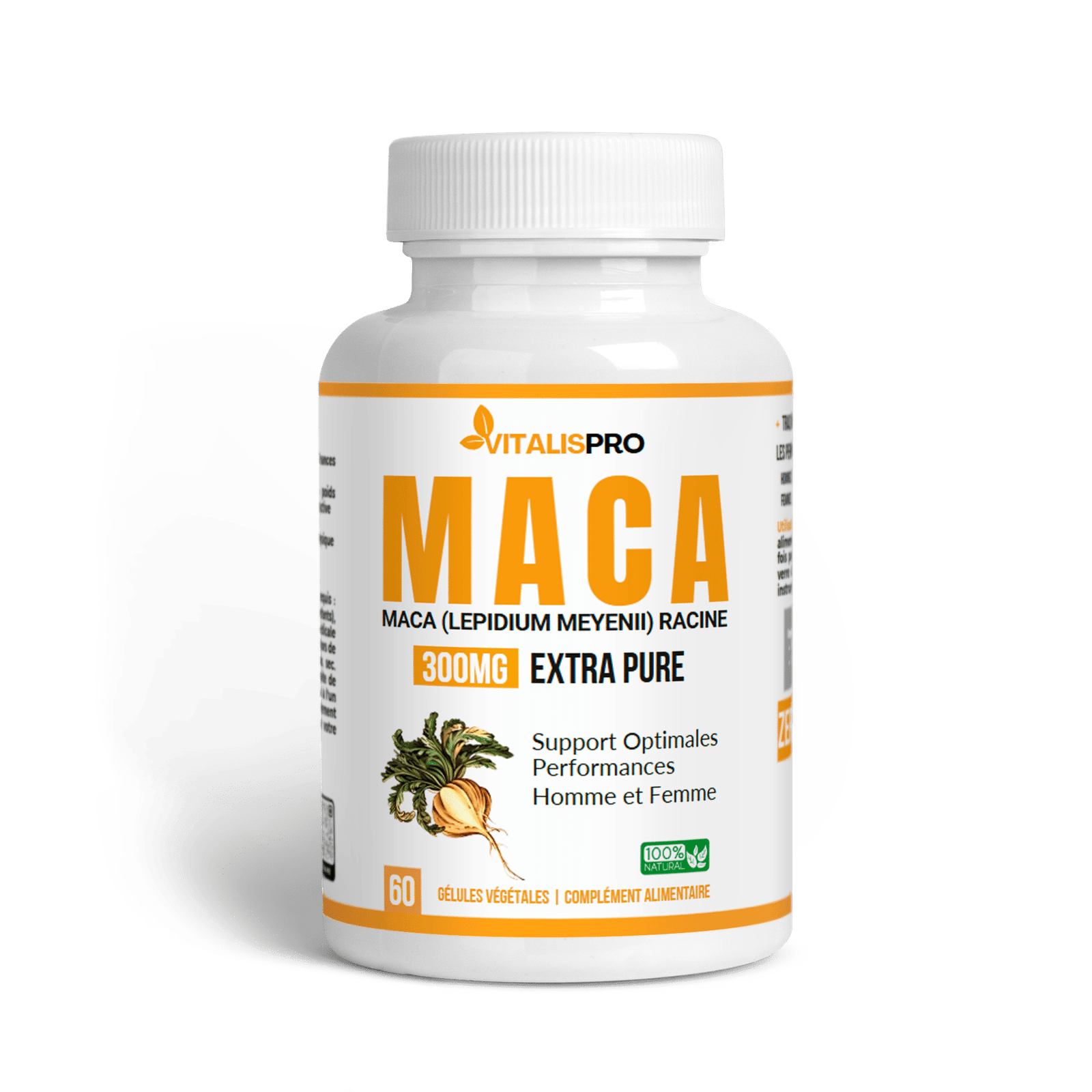
Maca (Lepidium meyenii) is a root from the Andean highlands, traditionally used to support energy and general vitality. A reference review traced its journey “from tradition to science,” documenting its ancestral use as a tonifying food and the growing interest of research in its properties.3 Maca has thus become one of the most cited “super-foods” whenever endurance and tone are discussed.
Red ginseng
Ginseng (Panax ginseng) is an emblematic root of traditional Far-Eastern medicine. A randomised, double-blind, placebo-controlled clinical trial assessed its effects on fatigue and reported signals in favour of reducing the feeling of fatigue.4 Red ginseng is frequently classed among the “adaptogenic” plants, a notion we return to below.
Shilajit
Shilajit is a traditional mineral-organic substance, rich in compounds studied for their role in supporting energy and balance. In traditional formulas it often complements tonic roots such as tongkat ali and maca. Here too, the responsible approach presents it as a supporting element within a balanced lifestyle, not as a solution in itself.
“The best thing you can do for your vitality is not to look for a product that switches it back on, but to stop what drains it — and then give the body time to recharge. Plants come after this groundwork, to accompany it, never to replace it.”
The smarter approach is not to chase the “miracle plant,” but the considered combination of complementary elements within a balanced lifestyle. It is in this spirit that VitalisPro offers Maca in a clear, dosed formula, as a traditional root supporting tone.
Adaptogens: what does the word mean?
Elements such as maca or ginseng are often described as “adaptogenic plants.” But what does the term really mean? The scientific idea behind it is that these elements may help the body adapt to different kinds of stress, rather than targeting one specific function. In other words, they are thought to support the body’s overall balance instead of pushing it in a single direction.
This is precisely what makes them interesting in the context of vitality, which is by nature the outcome of balance across several systems. That said, research in this area is still developing, and the responsible approach treats them as supporting elements within a complete lifestyle, not as standalone solutions. An appealing word on a label never replaces a foundation of healthy habits.
The mistakes that drain vitality
Sometimes, supporting your vitality is less about adding elements than about avoiding what empties it. We have gathered the most common mistakes, the ones that do more damage than we think:
| The mistake | Why it drains | The corrective step |
|---|---|---|
| Sacrificing sleep | It feeds straight into energy and balance | Steady, regular bedtimes |
| Overusing stimulants | Chasing coffee to offset fatigue creates dependence | Cut back on stimulants and address the cause of the fatigue |
| A sedentary routine | Lack of movement gradually weakens circulation and energy | Move a little every day, even moderately |
| Neglecting nutrition | Fast, nutrient-poor meals leave the body without fuel | Return to whole, protein-rich, mineral-rich foods |
| Unmanaged chronic stress | It burns baseline energy, even at rest | Set up regular time to decompress |
Correcting these habits first often makes a far bigger difference than any supporting element added on top. Building always begins with removing what demolishes. A man who sleeps better, moves more and eats more wisely has already covered most of the ground — the rest comes to refine it, not to replace it.
Vitality and age: what is normal, what deserves attention
It is natural for energy levels to change with age, and for them to call for more conscious attention to lifestyle. This is not a negative fate, but an invitation to look after your body more intelligently: sleep better, move regularly, tend to the plate. Many men discover, once their forties arrive, that the habits that “got away with it” at twenty now demand real upkeep.
That said, if you notice a marked and persistent drop in energy and vitality despite a healthy lifestyle, wisdom calls for not settling for self-observation and for consulting a qualified healthcare professional to make sure all is well. This article is educational: it aims to help you ask the right questions, not to diagnose a situation or prescribe an individual programme.
How to fit support into your routine
Step one: start with the fundamentals, not the box
Your first “vitality supporter” is your lifestyle. Before buying any supplement, review a typical week honestly: how many hours of sleep, how much movement, what quality of plate, what level of stress? A simple adjustment here comes before everything, and it makes whatever follows far more useful.
If you decide to add support, choose a formula with clear ingredients, authorised by ONSSA, from a source that is transparent in what it offers and in its price. An authorised product gives you a guarantee of oversight that a product of unknown origin, entering through unofficial channels, cannot. Clarity here is part of safety.
Step three: respect the dose and consistency
Do not exceed the recommended dose on the box thinking that “more is better”: the body responds to consistency, not to shock doses. Traditional plant elements are usually used over several weeks before assessing the result, because their effects are cumulative. Tie the intake to a fixed daily habit so you do not forget it.
Step four: observe your body, then decide
After a sufficient period, assess objectively: how is your energy on waking? Your tone during the day? Your sleep? Quietly listening to your body — without magical expectations — is the best judge. And at any doubt or persistent sign, consulting a healthcare professional remains the priority. For any question, the VitalisPro team is reachable through our contact page.
For anyone who wants to bring several traditional supporting roots together in one coherent step, VitalisPro has designed a Men’s Vitality Pack combining tongkat ali, red ginseng, maca and shilajit: a clear, ONSSA-authorised selection at a transparent price.

Precautions, interactions and limits
No responsible discussion of a food supplement is complete without a frank section on its limits. “Natural” is not an automatic synonym for “suitable for everyone in all circumstances,” and awareness of this is part of respecting your health. Vitality-supporting plants are generally well tolerated in healthy adults at usual doses, but caution is required in specific situations:
- Ongoing treatments or a known condition: consult a professional before starting, as some plants may interact with medication.
- High blood pressure or cardiovascular disorders: ginseng and some tonic roots call for prior advice in case of sensitivity.
- Sleep disorders or anxiety: some stimulating roots are better taken earlier in the day.
- Do not stack several new things at once: introduce one element at a time to observe your response clearly.
The golden rule: a supplement adds; it does not fix a real imbalance on its own, and it does not diagnose or treat a condition. At any persistent or worrying sign, consulting a healthcare professional remains the safest and first choice; we are here to accompany you with a clear, authorised product, not to replace the doctor.
Stories from our readers
These are testimonials from men who first reviewed their habits, then added plant support to their routine; individual experiences that differ from one person to another, which we present as they are, without exaggeration:
“I started with the simplest thing: going to bed earlier and walking every day. Then I added tongkat ali with food. After a few weeks, I feel more ready to go in the morning. No magic, but a difference I really notice.” — Karim, Casablanca
“What I liked was the honest message: no exaggerated promises, just support within a lifestyle. I have been taking maca for two months while tending to my plate, and my tone during the day is steadier.” — Hicham, Rabat
“Ordering was easy, with cash on delivery, and the formulas are clear and ONSSA-authorised. I took the vitality pack to bring it all together, and I reordered.” — Adil, Marrakech
Frequently asked questions about men’s vitality
Conclusion: vitality is a project
The essential message of this guide is that men’s vitality is neither a riddle nor a single element. It is the outcome of a complete system: regular, sufficient sleep, regular movement including strength training, a balanced diet rich in protein and minerals such as zinc, and effective stress management. When you take care of these pillars, you build a solid base for energy and tone.
Within this frame, traditional roots — such as tongkat ali, maca, ginseng and shilajit — come to complement the base, not to make up for neglecting it. Use them with realistic expectations and patience, within a conscious lifestyle. And if you notice a marked, persistent drop despite all of this, consulting a qualified healthcare professional is the wise step, not a sign of weakness.
In the end, what distinguishes the aware man is neither avoiding every supplement nor believing every promise, but the ability to discern: to know what science says and what it does not, to place the fundamentals before the add-ons, and to give the body its fair time. Vitality is a project you build through your daily habits, piece by piece. For direct contact, the VitalisPro team is available through our team page.
Sources and methodology
This guide relied on a review of documented general scientific sources (PubMed databases) and published trials, in addition to official bodies such as the World Health Organization (WHO), the Office of Dietary Supplements at the U.S. National Institutes of Health (NIH) and the European Food Safety Authority (EFSA). We committed to presenting results at their true size: promising signals are presented as signals, not as definitive promises, and no therapeutic effect was claimed. The information here is for health education, not for diagnosis or a medical prescription.
References
- World Health Organization — “Physical activity” fact sheet. who.int
- Talbott SM et al. Effect of Tongkat Ali (Eurycoma longifolia) on stress hormones and psychological mood state in moderately stressed subjects (2013). PubMed 23705671
- Gonzales GF. Lepidium meyenii (Maca): a plant from the highlands of Peru — from tradition to science (2009). PubMed 20090350
- Antifatigue effects of Panax ginseng C.A. Meyer: a randomised, double-blind, placebo-controlled trial (2013). PubMed 23613825
- Office of Dietary Supplements, U.S. National Institutes of Health (NIH) — “Zinc” fact sheet. ods.od.nih.gov
- European Food Safety Authority (EFSA) — health claims. efsa.europa.eu
The information in this article is provided for informational purposes for health education, drawing on documented general scientific references (PubMed, WHO, NIH and EFSA), and is not a substitute for consulting a qualified healthcare professional. Vitality products are food supplements that do not replace a varied, balanced diet or a healthy lifestyle, and are not intended to diagnose, treat, cure or prevent any condition. Do not exceed the recommended dose. People with medical conditions or ongoing treatments are advised to consult a professional before use. Keep out of the reach of children.

Pingback: Pumpkin Seed Oil Benefits: 320 mg a Day, What Trials Show