


Beauty and natural balance
Few supplements have had their name tied to beautiful hair as tightly as biotin. You see it on the packaging of countless products, wrapped in glossy promises of longer, thicker, transformed hair. But what does science actually say, once the language of marketing is set aside? Is biotin the “secret” to a healthy head of hair, or is the story more nuanced? In this educational guide, we separate documented facts from exaggerated claims, so you can decide with real understanding instead of following the advertising noise.
This guide from VitalisPro does not sell you a miracle, and it does not promise “guaranteed regrowth.” Instead, in plain language and with sourced references, it explains what biotin is, what role it really plays, in which cases research observes a visible effect on hair, and where the honest limit of the evidence lies. The goal is that you leave with a decision built on knowledge, not on an appealing label.
Let us agree on one principle from the start: healthy hair is not the product of a single ingredient, but a reflection of the body’s overall state. Biotin has a real place in this story — it contributes to the maintenance of normal hair — but it is neither a magic wand nor a shortcut. It is precisely from this realistic angle that talking about a supplement begins to make sense: as one brick laid on solid foundations, never in their place.
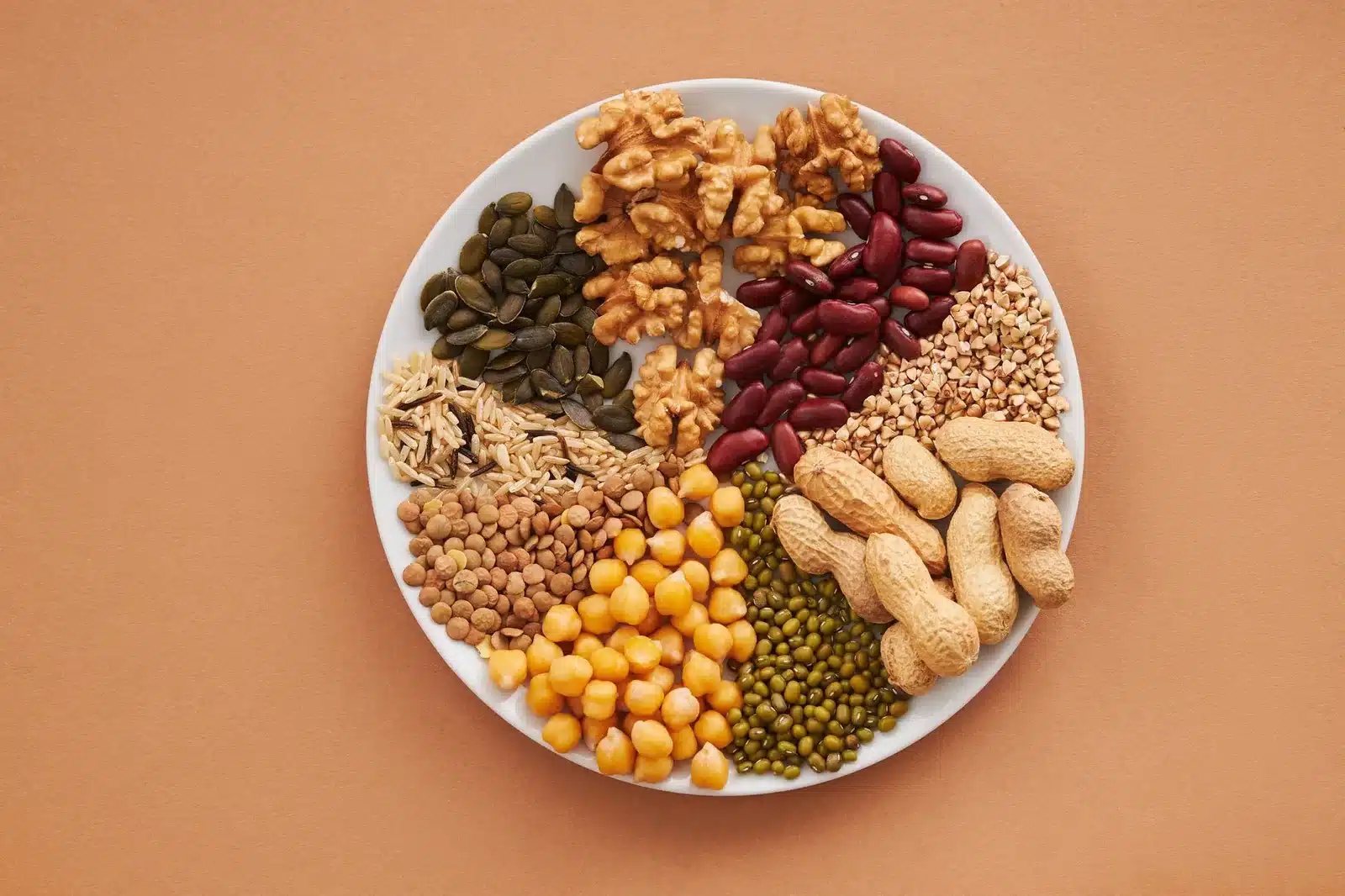
Image: Pexels / Vanessa Loring
محتوى الصفحة
- 1 In brief: what you will learn
- 2 In this guide
- 3 What is biotin?
- 4 The science: when does biotin actually help hair?
- 5 Why did the biotin myth spread?
- 6 The bigger picture: hair as a mirror of the body
- 7 An important note before any blood test
- 8 The hair growth cycle: why patience is needed
- 9 Lifestyle factors that affect your hair
- 10 How to use biotin wisely
- 11 Stories from our readers
- 12 Frequently asked questions about biotin and hair
- 13 Conclusion: the truth between hype and dismissal
- 14 Sources and methodology
In brief: what you will learn
- Biotin (vitamin B8, also called B7 or vitamin H) takes part in the normal metabolism of macronutrients and contributes to the maintenance of normal hair: this is an authorised health claim in Europe.
- Its visible effect on hair appears mostly in people whose level is low; in those who already have enough, the evidence for an “extra benefit” is far weaker.2
- Hair is a mirror of the body: protein, iron, zinc, vitamin C and essential fatty acids all matter, alongside sleep, stress management and gentle handling.
- A little-known practical point: at high doses, biotin can skew certain blood tests. Always tell the laboratory or healthcare professional before a blood draw.5
- VitalisPro products such as Biotin 5000, Zinc Gluconate and Brewer’s Yeast + Selenium & Zinc are ONSSA-authorised food supplements, meant to fit inside a healthy lifestyle. They are not medicines and not a substitute for professional advice.
What is biotin?
Biotin, also known as vitamin B7, B8 or vitamin H, is one of the water-soluble B-group vitamins. It acts as a cofactor in the metabolism of macronutrients (proteins, fats, carbohydrates), that is, in turning food into energy the body can use. In our context, the most important point is that it contributes to the maintenance of normal hair and normal skin — a role recognised by European health authorities. The fact sheet from the U.S. National Institutes of Health (NIH) details biotin’s role in the body and its dietary sources.
Beyond hair, biotin also takes part in the normal functioning of the nervous system and in normal energy metabolism. These functions point to a simple truth: a vitamin never acts in isolation on a single organ. It sits within a network of reactions where each element supports the whole. That is why presenting biotin as a “hair product” and nothing more is reductive: it is part of a broader nutritional balance, of which hair is only one visible reflection.
The good news: biotin is present in many everyday foods. You will find it in eggs (especially the yolk), nuts and seeds, legumes, some fish and whole grains. Our gut microbiota also produces part of it. For many people on a varied diet, daily needs are met without difficulty. This reality, often left unsaid in advertising, is essential to understanding why biotin does not act the same way in everyone.
The science: when does biotin actually help hair?
Here is the most important point, the one many advertising messages leave out. Scientific reviews indicate that biotin’s visible effect on hair appears mainly in people whose level is low — a relatively rare situation in well-fed populations, but a real one in certain contexts. In those who already get enough from their diet, the evidence for an “extra benefit” is far weaker. In other words: biotin contributes to the maintenance of normal hair, but it is not a potion that would turn any head of hair into ideal hair.
A review published in a peer-reviewed dermatology journal examined exactly this question. Its authors gathered the reported cases where biotin supplementation was accompanied by an improvement: in the great majority, these were people with an underlying deficiency or an identified medical cause. Outside such situations, the solid data showing an effect in healthy, non-deficient people remain limited.2 This is a crucial distinction, and glossing over it would turn a real contribution into a misleading promise.
Why all this caution? Because biotin is genuinely essential to the body’s function: it serves as a cofactor for key enzymes involved in metabolism and in cellular stability.3 But “essential” does not mean “the more you take, the better.” Once needs are met, excess does not bring a proportional gain in benefit; the body simply eliminates the surplus. The “always more” logic does not apply to water-soluble vitamins like biotin.
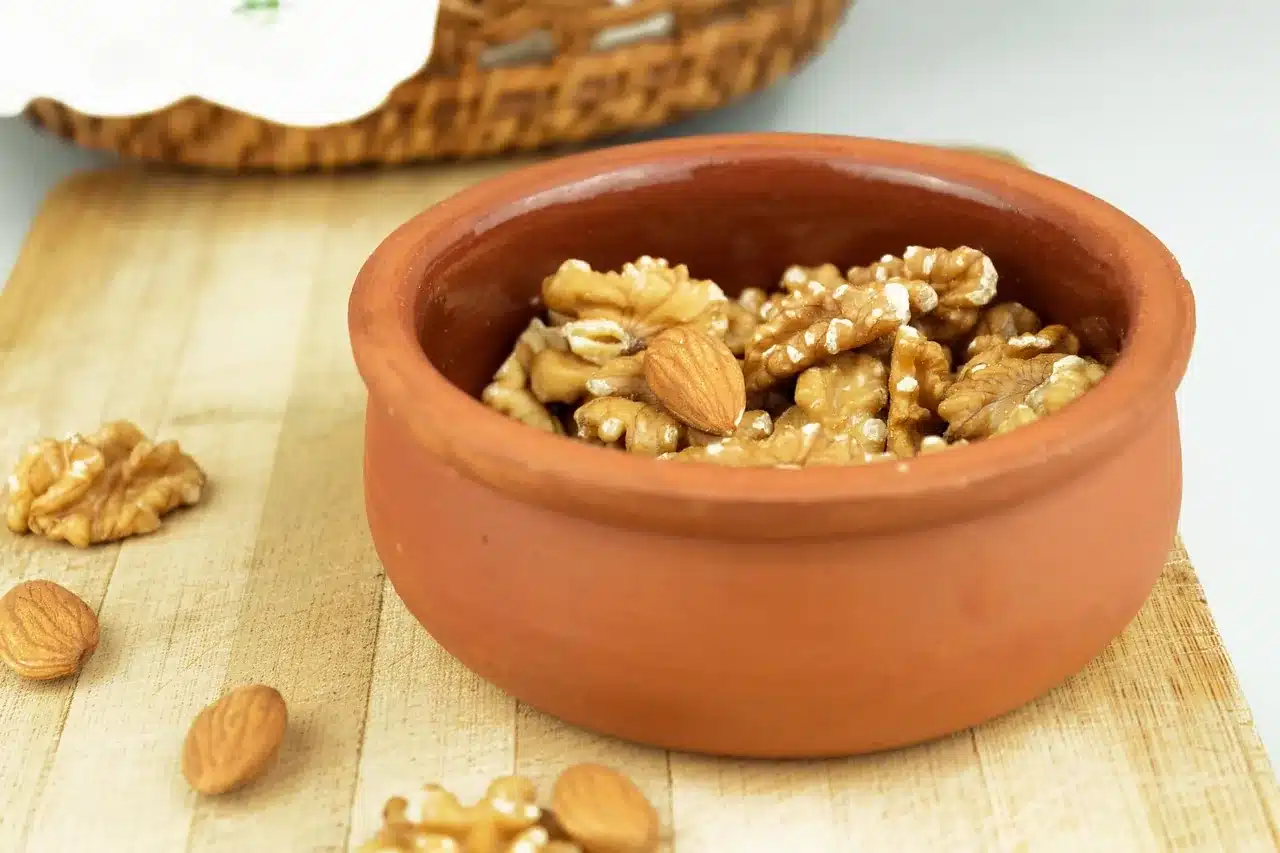
Image: Pixabay / 2102033
Why did the biotin myth spread?
Biotin’s reputation has an explanation. It is a relatively safe vitamin, relatively inexpensive, and genuinely linked to hair health in cases where the level is low. These three factors made it a “marketing star” in the beauty industry. The problem arises when this real contribution turns into an exaggerated promise, implying that biotin alone would solve every hair concern.
The reality is quieter: hair health depends on an integrated system of elements and a lifestyle, never on a single vitamin. When a product isolates one ingredient and credits it with all the merit, it oversimplifies a complex biology. Our job is not to inflate a signal in order to sell, but to place it at its true rank: biotin is useful within its frame, no more and no less. This honesty is at the heart of the trust we want to build with you.
“The best thing you can do for your hair is not to hunt for the miracle vitamin, but to nourish the whole: the plate, sleep, a gentle touch. Biotin finds its place there — a real place, but a modest one.”
The bigger picture: hair as a mirror of the body
Healthy hair is not the result of a single element, but a reflection of the body’s overall state. Several nutrients take part in supporting it: protein, which hair is mainly made of; iron, whose deficiency tends to show on the state of the hair; zinc, which contributes to the maintenance of normal hair, nails and skin; vitamin C, which contributes to normal collagen formation; and essential fatty acids such as omega-3, which are part of a balanced diet. That is why the smart approach does not focus on biotin alone, but on balanced nutrition that supports hair from within, alongside gentle care from without. The World Health Organization reminds us that a balanced diet is the foundation of overall health.
To make this idea more concrete, here are the main nutrients often cited in the context of hair, with the cautious wording of the recognised claims and a simple food source:
| Nutrient | Its role in the context of hair | A food source |
|---|---|---|
| Protein | Hair is mostly made of keratin, a protein | Eggs, legumes, fish, lean meat |
| Iron | Its deficiency tends to show on the state of the hair | Lentils, red meat, green vegetables |
| Zinc | Contributes to the maintenance of normal hair, nails and skin | Seafood, pumpkin seeds, nuts |
| Biotin (B8) | Contributes to the maintenance of normal hair | Eggs, nuts, seeds, whole grains |
| Vitamin C | Contributes to normal collagen formation | Citrus, peppers, kiwi |
| Omega-3 | Part of a balanced diet that supports wellbeing | Oily fish, flaxseed, walnuts |
Notice that this table names no “single hero.” Each row is one piece of a puzzle, and it is the overall picture that counts. A single deficiency — in iron or zinc, for example — can weigh more heavily on the hair than the absence of a biotin supplement in someone who is already well supplied. The wise approach, then, is to look at the plate as a whole before hunting for a specific active ingredient.
Zinc: a quiet but well-documented ally
Among these nutrients, zinc deserves special mention, because it is well studied in the hair context. One study compared zinc concentrations in people with different forms of hair loss and observed, in several cases, lower levels than in a control group.4 This does not mean zinc is a “treatment”: it is an observed association, which simply underlines the importance of a balanced nutritional status. On the regulatory side, zinc contributes to the maintenance of normal hair, nails and skin — an authorised claim that describes its real place, without exaggeration.

An important note before any blood test
Here is a practical point many people overlook: taking high doses of biotin can interfere with the accuracy of certain laboratory blood tests, giving misleading results. Many immunoassays use the binding between biotin and a protein called streptavidin; an excess of biotin in the sample can then skew the measurement, in one direction or the other, depending on the type of test.5 Thyroid function tests and some cardiac markers are among the tests affected.
The practical consequence is simple: if you take biotin and are about to have a blood test, tell the laboratory or the healthcare professional. They may advise stopping the supplement for a few days before the draw, to let the biotin clear. This information protects the reliability of your results; it also reminds us that even “simple” elements deserve conscious use. This guide is educational and is not intended to diagnose any condition.
The hair growth cycle: why patience is needed
To understand why the results of hair care never appear overnight, you have to understand how hair grows. Each hair goes through a cycle of several phases: an active growth phase that lasts several years, a short transition phase, then a resting phase at the end of which the hair falls out to make way for a new one. At any given moment, your hairs are in different phases of this cycle.
This means that any dietary change or any supportive element needs time to show on the new hair being formed, not on the hair already present. Assessing a hair programme is therefore counted in months, not days. Understanding this biological reality protects you both from frustration and from unrealistic marketing promises of the “results in one week” kind. The nature of hair sets its own clock, and no product replaces it.
Lifestyle factors that affect your hair
Before hunting for an active ingredient, lifestyle deserves a genuine pause. Several daily factors weigh on hair health more than we think: chronic stress, which can affect the growth cycle; lack of sleep, which affects the body’s general recovery; an unbalanced diet, poor in protein and iron, which can leave its mark; and harsh external handling — excessive styling heat, repeated pulling — which mechanically weakens the fibre.
Real hair care therefore begins with these foundations: a balanced diet, enough sleep, stress management and gentleness in everyday handling. Supportive elements, such as a well-chosen supplement, complement this base; they never make up for its absence. Waiting for a capsule to repair an exhausting lifestyle is an illusion that always disappoints the one who holds it. It is also worth remembering that some episodes of increased shedding are temporary and follow a clear trigger — a period of intense stress, an illness, a restrictive diet or a major hormonal change — after which the cycle often settles on its own. Recognising this pattern helps you keep a calm perspective rather than reaching for a new product at every anxious glance in the mirror.
How to use biotin wisely
Informed use begins with realistic expectations. Biotin contributes to the maintenance of normal hair and skin, and is generally used within a programme followed for several weeks before assessing its effect, since hair grows slowly. Fit it into a whole-picture approach: a balanced diet rich in protein and iron, enough sleep, stress management and gentle external care.
Step one: start with the plate
Your first “hair care” is your plate. Before buying any supplement, review a week of your meals: where is the protein, the iron, the vegetables missing? A simple adjustment here comes before everything, and it makes whatever follows far more useful.
If you decide to add a supplement, choose a formula with clear ingredients and a readable dose, authorised by ONSSA, from a source that is transparent in what it offers and in its price. An authorised product gives you a guarantee of oversight that an item of unknown origin, entering through unofficial channels, cannot. Clarity here is part of safety.
Step three: respect the dose and consistency, then observe
Do not exceed the recommended dose on the box thinking that “more is better”: the body responds to consistency, not to shock doses. Take the supplement with food and a large glass of water, tie it to a fixed daily habit, then assess objectively after a sufficient period — counted in months. At any doubt or persistent symptom, consulting a healthcare professional remains the priority. For any question, the VitalisPro team is available through our contact page, and you can browse the full range in our shop.
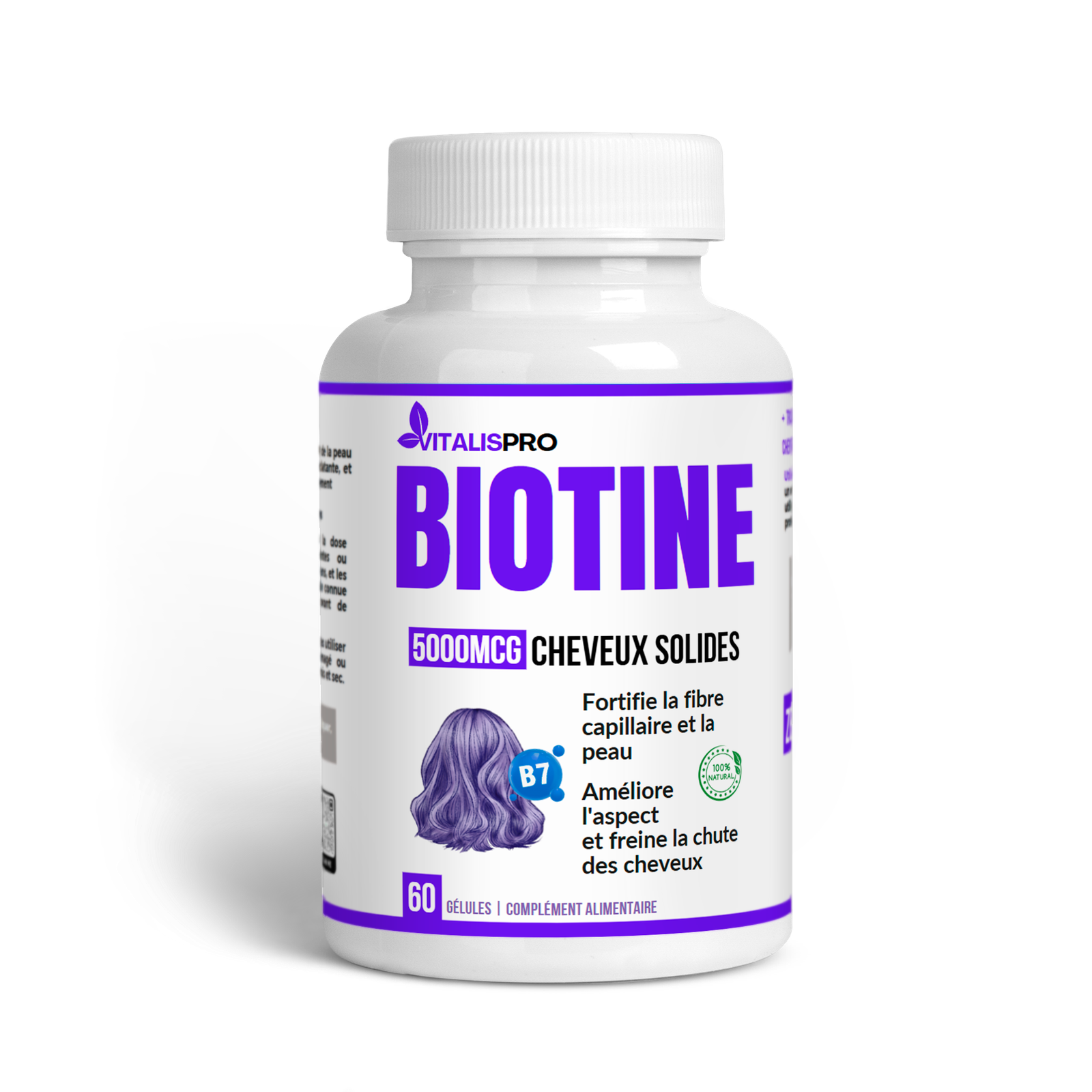
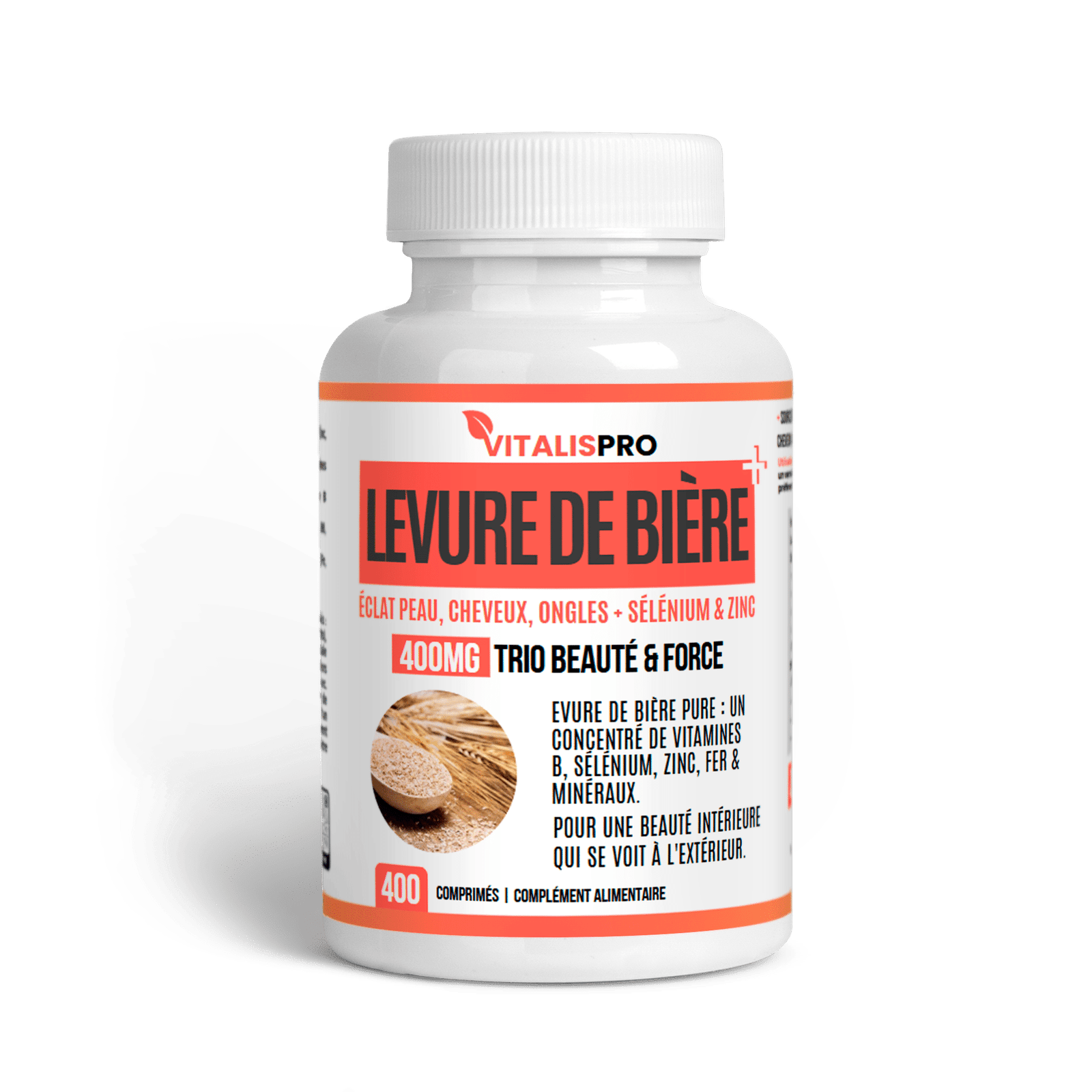
For a more complete approach to beauty from within, some people pair biotin with other supportive elements. Brewer’s Yeast + Selenium & Zinc, for instance, brings B-group vitamins and minerals together in a single formula: zinc contributes to the maintenance of normal hair, nails and skin, and selenium to the maintenance of normal hair and nails. A logic of simplicity and clarity, rather than stacking scattered boxes.
Stories from our readers
These are testimonials from people who reviewed their habits and added nutritional support to their routine; individual experiences that differ from one person to another, which we present as they are, without exaggeration:
“I expected miracles at first, and I was disappointed in the first week. Then I understood that hair grows slowly. I reviewed my diet, added biotin, and after a few months my nails and hair felt stronger to me. No magic, but a difference I can feel.” — Imane, Casablanca
“What I appreciated was the honest message: no promise of regrowth, just support within a lifestyle. I have paired zinc with better eating for two months, and I am happy with how clear the formula is.” — Karim, Rabat
“Ordering was easy, with cash on delivery, and the formula is clear and ONSSA-authorised. I reordered, keeping in mind that the essential thing remains overall balance.” — Nadia, Marrakech
Frequently asked questions about biotin and hair
Conclusion: the truth between hype and dismissal
Once the facts are separated from the claims, the balanced picture appears. Biotin is a genuinely important vitamin: it contributes to the maintenance of normal hair and skin, and its effect is clearer in people whose level is low. But it is not a “magic secret” that would transform any head of hair, as some advertisements suggest. The truth is in the middle: a useful element within an integrated system, not a lone hero.
The health of your hair depends on a wider picture: protein, iron, zinc, vitamin C and fatty acids, alongside enough sleep, stress management and gentle external care. Use biotin with realistic expectations and a patience counted in months, within this whole-picture approach. With this mature outlook, you make a conscious decision — far from exaggerated promises and from unjustified dismissal alike.
In the end, what distinguishes the aware consumer is neither avoiding every supplement nor believing every promise, but the ability to discern: to know what science says and what it does not, to place the fundamentals before the add-ons, and to give the body its fair time. For direct contact, the VitalisPro team is available through the our team page.
Sources and methodology
This guide relied on a review of documented general scientific sources (PubMed databases) and published reviews, in addition to official bodies such as the U.S. National Institutes of Health (NIH) and the European Food Safety Authority (EFSA). We committed to presenting results at their true size: signals are presented as signals, not as definitive promises, and no therapeutic effect was claimed. The information here is for health education, not for diagnosis or a medical prescription.
References
- U.S. National Institutes of Health (NIH), Office of Dietary Supplements — “Biotin” fact sheet. ods.od.nih.gov
- Patel DP, Swink SM, Castelo-Soccio L. A Review of the Use of Biotin for Hair Loss. Skin Appendage Disord. 2017. PubMed 28879195
- Zempleni J, et al. Biotin requirements for DNA damage prevention. Mutat Res. 2012. PubMed 21871906
- Kil MS, et al. Analysis of serum zinc and copper concentrations in hair loss. Ann Dermatol. 2013. PubMed 24371385
- Biotin interference in immunoassay: a review for the laboratory scientist. Ann Clin Biochem. 2019. PubMed 31023057
- European Food Safety Authority (EFSA) — authorised health claims. efsa.europa.eu
The information in this article is provided for informational purposes for health education, drawing on documented general scientific references (PubMed, NIH and EFSA), and is not a substitute for consulting a qualified healthcare professional. Biotin, zinc and the other supplements mentioned are food supplements that do not replace a varied, balanced diet or a healthy lifestyle, and are not intended to diagnose, treat, cure or prevent any condition. Do not exceed the recommended dose. Pregnant and breastfeeding women, children under 18, and people with medical conditions or ongoing treatments are advised to consult a professional before use. At high doses, biotin may skew certain blood tests: tell the laboratory. Keep out of the reach of children.
