


Wellbeing and natural balance
After a rich feast, a stretch of heavy holiday meals, or a long season of food eaten in a hurry, the same question surfaces in a lot of minds: how do I look after my liver health and give my body back that sense of lightness? The answer tends to jump straight to one fashionable word: “detox.” But between the glossy promises online and the quieter scientific truth, there is a gap worth crossing slowly.
This in-depth guide from VitalisPro does not sell you a miracle, and it does not promise a magical “cleanse.” Instead, in plain language and with sourced references, it explains how the liver actually works, what “supporting” it really means, what science has and has not shown about traditional plants such as milk thistle (silymarin) and artichoke, and where the honest limit of the evidence lies. The goal is that you leave with a decision built on knowledge, not on advertising noise.
Let us agree on one principle from the start: the liver is not a clogged filter waiting for an outside “cleaner.” It is a living, intelligent organ that works around the clock. Our job is not to “purify” it with some wonder product, but to lighten its load and give it the conditions in which it thrives. It is precisely from this realistic angle that talking about supplements begins to make sense, and not a moment before.
محتوى الصفحة
- 1 In brief: what you will learn
- 2 In this guide
- 3 Why the liver? The body’s silent laboratory
- 4 The “detox” myth: what liver support really means
- 5 Milk thistle and silymarin: what does the research say?
- 6 Artichoke and other supporting plants
- 7 The liver in the Moroccan context: the table and the seasons
- 8 The fundamentals before any supplement
- 9 How to fit liver support into your routine
- 10 Precautions, interactions and limits
- 11 Stories from our readers
- 12 Frequently asked questions about liver health
- 13 Conclusion: what do we take from all this?
- 14 Sources and methodology
In brief: what you will learn
- The liver is the body’s chemical laboratory: it transforms food, processes what enters the body, and stores energy, and it has a remarkable ability to regenerate itself.
- “Detox” in its marketing sense is a misleading idea. A healthy body cleans itself. The more accurate goal is to support liver health and lighten its workload.
- Milk thistle (silymarin) has been studied for decades for its antioxidant properties, and some reviews show signals on liver markers, but the evidence remains inconclusive and the use is one of general wellbeing, not treatment.
- The fundamentals — a balanced diet, movement, hydration, enough sleep, and moderation with heavy foods — matter far more than any single supplement.
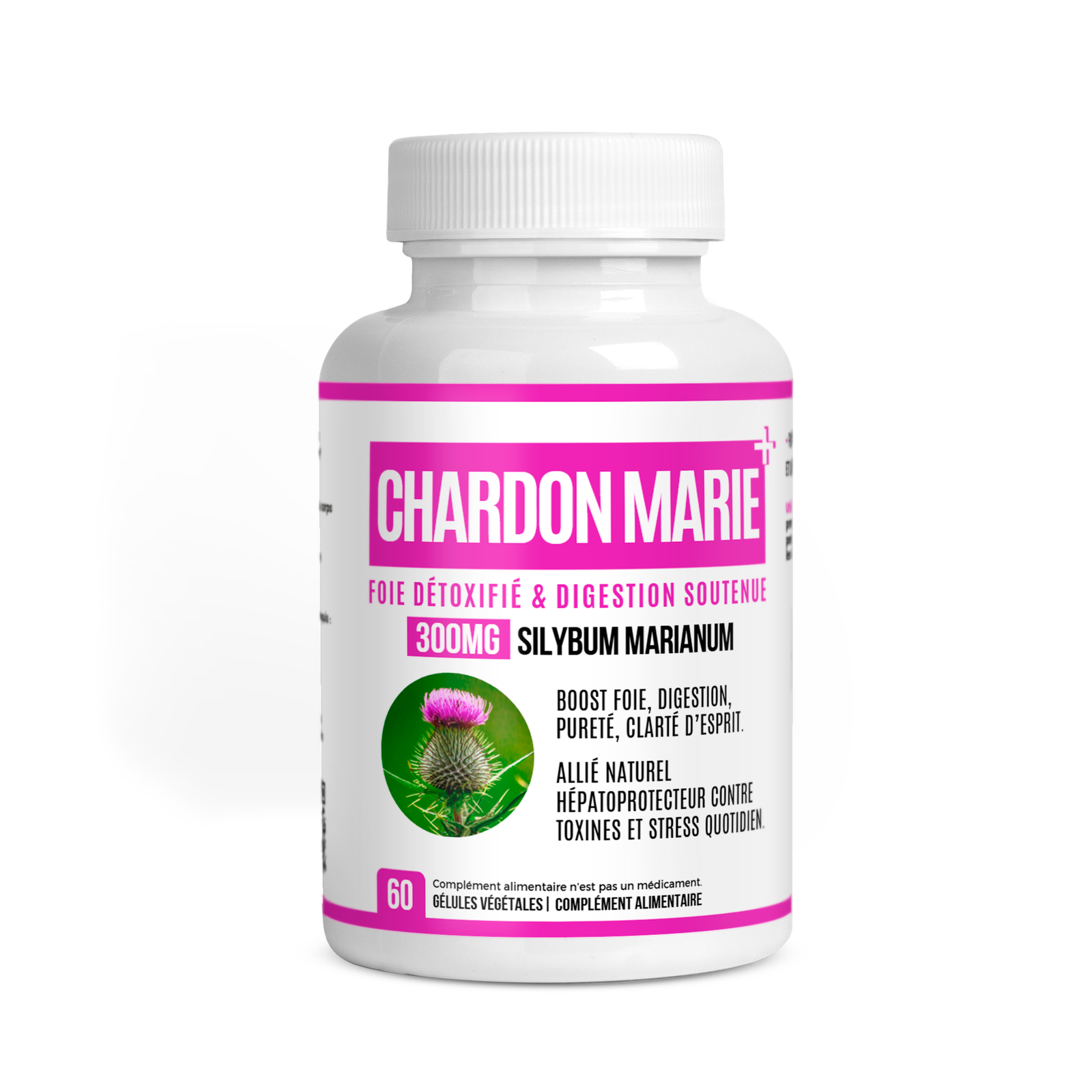
- VitalisPro products such as Milk Thistle and the Hepa liver-support blend are ONSSA-authorised food supplements, meant to fit inside a healthy lifestyle. They are not medicines and not a substitute for professional advice.
Why the liver? The body’s silent laboratory
If we had to describe the liver in a single word, it would be this: the “laboratory.” It is the largest internal organ in the body, and on its own it carries out hundreds of functions in complete silence. It receives everything we eat and drink once it has been absorbed, then decides what to store, what to convert, and what to neutralise and prepare for elimination. Without this tireless work, the body could not benefit from a single mouthful.
Among the liver’s most important jobs, it transforms nutrients into energy and building blocks, it stores sugar as glycogen to release when needed, it makes essential proteins and the bile that helps digest fats, and it processes the compounds that pass through it — whether from food or medication — to make them ready for the body to remove. In a sense, it is both the body’s chemical gateway and its guardian at the same time.
More remarkable still is its ability to regenerate itself. Liver cells have a striking capacity to recover and grow back within certain limits, and this is exactly what makes a balanced lifestyle a genuine factor in its long-term wellbeing. That self-renewing capacity is precisely what marketing language ignores when it paints the liver as an idle filter that needs “cleaning” from the outside.
Let us bring the picture closer with a simple image. Imagine a factory that runs without pause: it takes in raw materials, sorts them, turns the useful ones into products, and isolates what must be discarded, directing it toward the exits. That is roughly what the liver does with everything we consume. And when we flood that factory with huge amounts of fat and sugar all at once, it does not stop working, but it works under greater pressure. The wisdom, then, is not to “clean” the factory with some outside substance, but to regulate what enters it so that it can run with ease.
When do we feel the liver is “overloaded”?
Because the liver works silently, we rarely “hear” it. And yet, after periods of dietary excess, many people describe a general sense of heaviness, sluggishness after meals, and slow digestion. These are not a medical diagnosis, but general signals that your eating pattern needs a review. The wise approach is not to hunt for an urgent “cleanser,” but to lighten the load gradually through simpler, lighter habits. And whenever symptoms are persistent or worrying, consulting a qualified healthcare professional remains the first reference, because these general signs can trace back to many causes, most of which have nothing to do with the liver at all.
The “detox” myth: what liver support really means
Social media floods its audience with promises of “detox diets” and “drinks that cleanse the liver in three days.” The scientific truth is far quieter: there is no solid evidence that any specific regimen or product “flushes out toxins” in some magical way. A healthy body — with its liver, kidneys, lungs and gut — cleans itself around the clock, without waiting for a seasonal product.
So is all talk of “liver support” just marketing? No, provided we define it well. The difference is fundamental: we are not “cleaning” a broken organ, we are creating the conditions in which the liver works at its best — by reducing what strains it (excess fat, sugar and alcohol) and providing what it needs (a balanced diet, hydration, movement, sleep). In this sense, “liver support” is a lifestyle approach, not a miracle bottle.
This is exactly where VitalisPro stands, clearly and responsibly: we talk about wellbeing and support, not about “treatment” or “cleansing.” Food supplements — however time-honoured their plants — remain supplements that fit inside a healthy system, and they must never be presented as a replacement for a balanced diet or for medical care. This distinction is not merely a legal caution; it is the very heart of being honest with the reader. For anyone drawn to this approach, we have dedicated the whole Detox & Purifying category to exactly this philosophy.
“The best thing you can do for your liver is not to look for a product that cleans it, but to lighten what strains it. The liver does not need a superhero; it just needs you to stop overloading it, and then let it do its job.”
Milk thistle and silymarin: what does the research say?
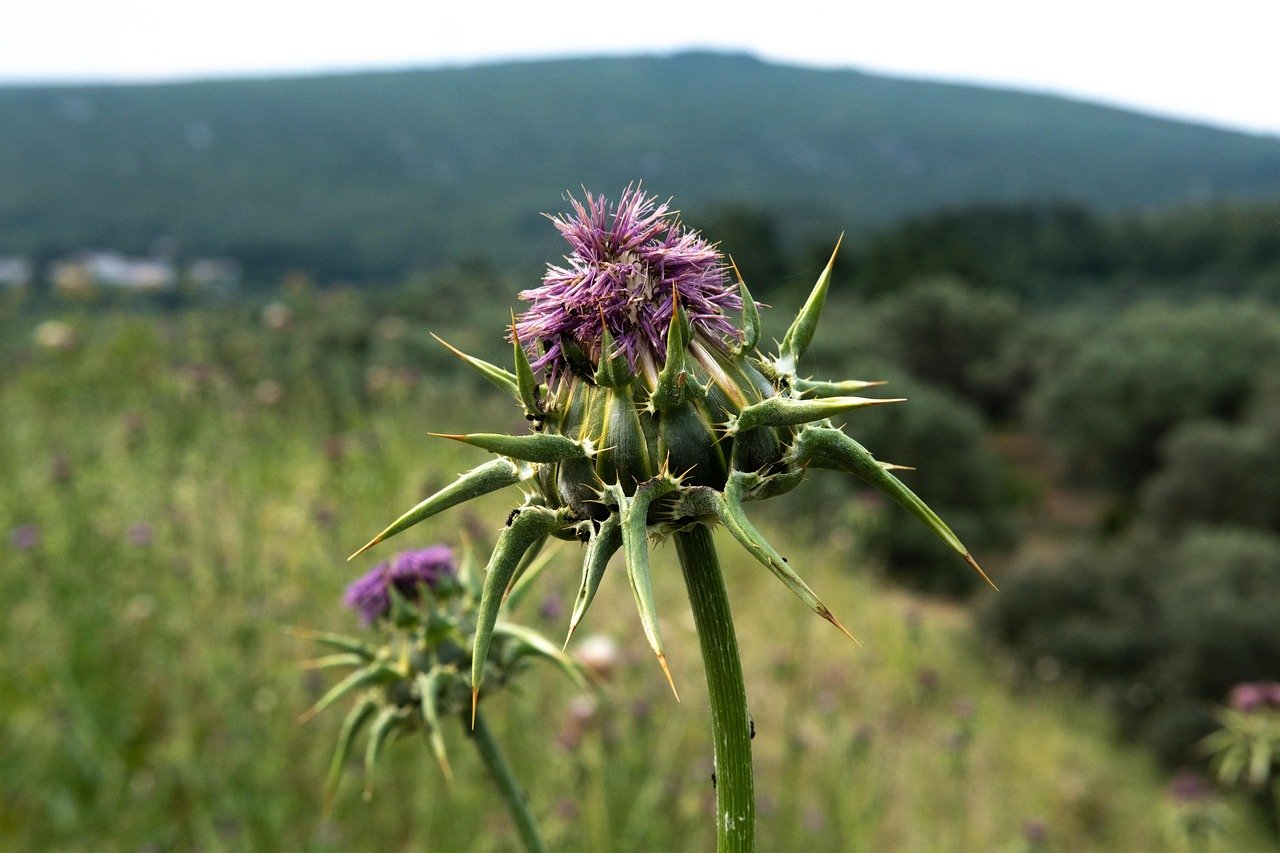
If there is one plant whose name is tied to the liver in both popular and scientific culture, it is milk thistle (Silybum marianum): a spiny plant with a purple flower that grows around the Mediterranean basin, and whose seeds have been used for more than two thousand years. Its most notable active component is a mixture called silymarin, whose most important molecule is known as silibinin, and it is studied chiefly for its antioxidant properties.

So what does the science actually say? Let us be honest: the picture is promising but inconclusive. A recent systematic review examined the effect of silymarin supplements on liver enzyme levels, pooling dozens of trials and thousands of participants, and noted that a meaningful share of studies recorded a drop in certain liver enzymes among some groups of patients.2 Yet the authors themselves stressed the variation in study quality and design, a caution we should not skip over.
Another systematic review with a meta-analysis assessed the effect of silymarin on biochemical markers in people with liver disorders, and concluded that there were possible signals on some of these markers, while explicitly calling for larger and more rigorous trials before any firm claim.3 In simple terms: there is a signal, but it is not conclusive proof, and the difference between the two is exactly what separates sober knowledge from a hasty promise.
Why all this caution if the signals exist? Because rigorous science distinguishes carefully between three levels: a laboratory experiment on cells, an experiment on an animal, and a clinical trial on humans; and then between a small study and a large one, and between a single result and a review that pools dozens of studies. Much of what is promoted about “herbs that clean the liver” rests on the lowest level of this pyramid, and is then presented as if it were established fact. Our job is to place every signal at its correct rank, not to inflate it to serve a sale.
Most important of all is to set the matter in its proper frame: these studies were mostly conducted on patients and in medical contexts, and they must not be translated into a promise to the healthy reader that a capsule will “treat” their liver or “cleanse” it. European scientific authorities, including the European Food Safety Authority (EFSA), have not approved specific health claims for these plants in the context of the liver.4 That is why we present milk thistle for what it is: a time-honoured traditional plant with interesting but incomplete research, to be woven into a broader wellbeing approach.
For anyone who wants a calm, introductory look at what silymarin is and how it is thought to work, this explanatory video offers a gentle overview:
In fairness, we should mention the other side too: older reviews warned that the evidence for a therapeutic effect of silymarin in certain liver diseases remains limited, and that results vary according to the type of condition and the study design.6 This variation is no reason to reject the plant, nor to inflate it; rather, it is an invitation to keep expectations moderate. A venerable traditional plant deserves attention and study, without our loading it with promises science has not yet made. That balance between curiosity and caution is what we try to convey to you in every line.
Why the “extract and dose” matter more than the plant’s name
A point many people overlook: the words “milk thistle” on the box are not enough. What matters is the concentration of silymarin in the extract, the purity of the seeds, and the honesty of the stated dose. A powder of unknown origin may contain only a trace of the active compound, while an extract with a clear, declared formula gives you what you actually think you are buying. This difference between a product worth its price and one that offers nothing is the heart of the quality principle we commit to. That is why we always insist on regulatory authorisation from ONSSA: it is not a formality, but a control pathway that concerns the safety and conformity of the product.
Artichoke and other supporting plants
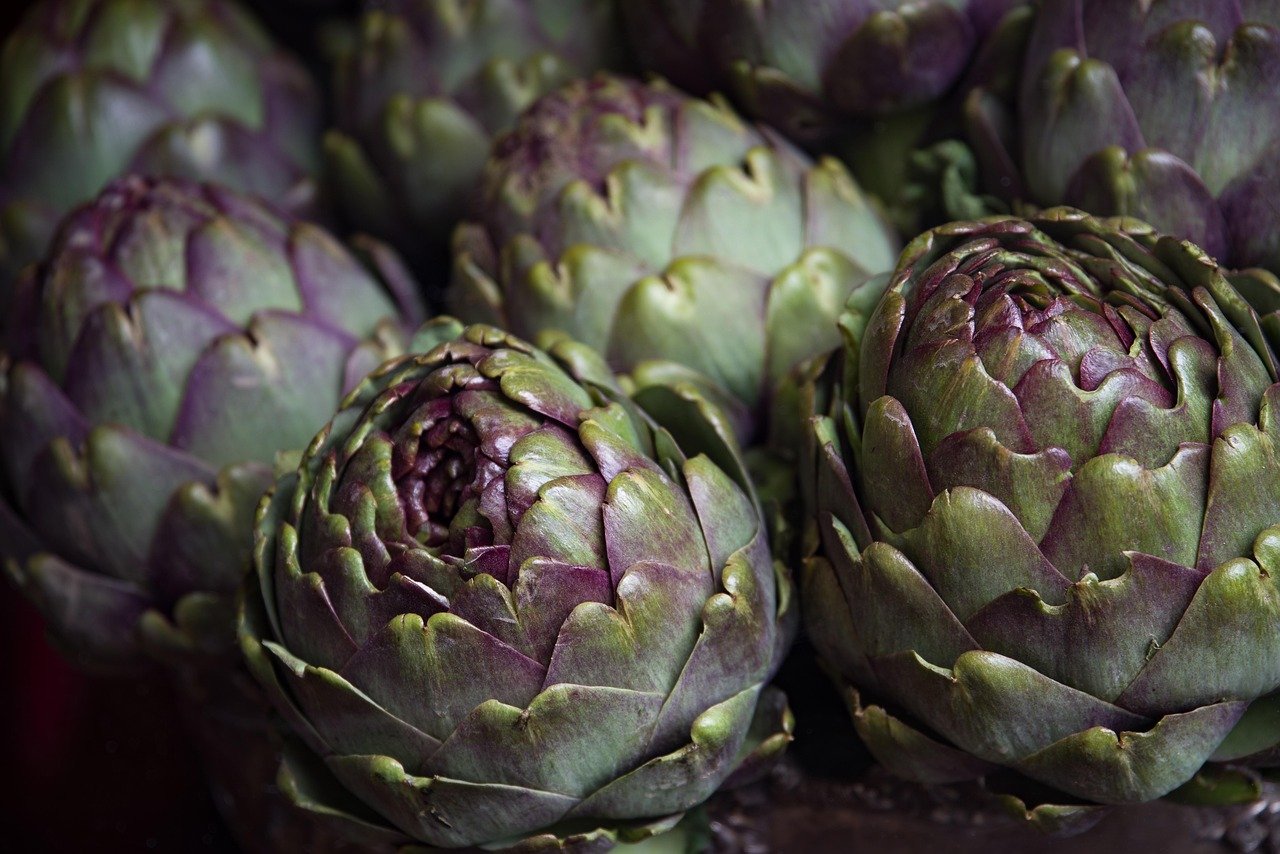
Interest does not stop at milk thistle. The artichoke (Cynara scolymus) — which belongs to the same family of thistles — is another Mediterranean plant traditionally linked to digestion and liver health. A clinical trial on artichoke leaf extract observed an effect on blood lipid levels in adults, which opened the door to studying its properties in the context of metabolism and the liver.5 Once again, these remain promising early studies, not guaranteed promises.
Alongside these two, other plants appear in popular literature for liver support, such as wild chicory and black radish. But the level of evidence varies greatly between them, and most is far weaker than milk thistle. So we treat them with positive caution: we mention them as part of a rich botanical heritage, not as tools of proven effect. Honesty in ranking the evidence is part of respecting the reader.
Let us pause here on an important idea about “supplement stacking.” Some consumers, chasing a faster result, gather many boxes from scattered and unknown sources, assuming that “more is better.” The truth is exactly the opposite: random stacking raises the cost of purchase, increases the chance of interactions, and makes it harder to know what is actually working and what is not. The safer logic is simplicity and clarity: one well-studied, authorised formula is better than five obscure boxes. This is a philosophy we adopt in designing our products: to give you what you need clearly, without pushing you to buy what you do not.
The smarter approach is not to chase the “miracle plant,” but the considered combination of complementary ingredients within a balanced lifestyle. It is from this standpoint that VitalisPro designed its Hepa liver-support blend: a clear plant formula that brings supportive elements together in a single authorised product, instead of stacking scattered, unknown boxes.

The liver in the Moroccan context: the table and the seasons
No discussion of the liver can be judged in isolation from the way we eat, and the Moroccan context has its own character. Our tables are generous, rich in flavour, fat and sweets, and they grow heavier still during celebrations, holidays and feasting seasons. Add to that the summer heat, which for some people reduces water intake despite the body’s greater need for it. All of this makes lightening the load on the liver a subject that deserves genuine awareness, not just a seasonal one.
After the days of a holiday or a heavy feast, your body does not need a “shock diet” or an urgent “cleanse.” It simply needs a calm return to the fundamentals: lighter meals, more vegetables, enough water, and gentle movement. This gradual return is far more useful — and far safer — than any extreme regimen that promises overnight results and then exhausts the body.
There is a lovely Moroccan habit that can be an ally here: the place of vegetables, pulses and herbs in our traditional cuisine. Light vegetable soups, salads and plant-based dishes all exist within our food heritage, and they work perfectly as a “return to balance” after periods of heaviness. We do not need to import strange “diets”; it is enough to bring our table back to its original balance, and to give lighter dishes the share that has receded before the march of fast food and processed sweets.
Whoever wants a broader look at the full VitalisPro range can browse the shop, where the philosophy of clarity and transparency runs through every product. Careful reading before any decision always gives you a clearer picture.
The fundamentals before any supplement
Before thinking about any capsule, there are pillars whose effect outweighs any single supplement. We have arranged them for you by practical priority:
| Pillar | Why it matters to the liver | A practical step |
|---|---|---|
| Moderation with fat and sugar | Chronic excess strains the liver’s metabolic work | Cut back on fried foods and processed sweets |
| Vegetables and fibre | They support digestion and overall balance | A serving of vegetables at every main meal |
| Adequate hydration | Water accompanies every process in the body | Regular glasses throughout the day |
| Regular movement | Physical activity supports metabolism | A daily walk, even a moderate one |
| Moderation with alcohol | Alcohol is one of the greatest strains on the liver | Avoid it or cut back sharply |
| Enough sleep | Rest is part of the body’s recovery | Consistent sleep times |
Notice that none of these pillars costs any real money: water, walking, sleep, and moderation in food are all “free” and within everyone’s reach. This is a paradox worth pausing on: the strongest thing you can offer your liver is not a product you buy, but small daily decisions you make. That is why we always insist on placing the supplement in its correct spot: a step that comes after the fundamentals, not before, and for anyone who chooses to add extra support consciously and by conviction.
When these foundations are built, any supplement we turn to takes on meaning: an extra brick on a solid base, not an attempt to patch up an exhausting lifestyle. As for waiting for salvation from a capsule while the habits stay the same, that is an illusion that always disappoints. A supplement adds; it does not build the house on its own.
How to fit liver support into your routine
Step one: start with the table, not the box
Your first “liver supporter” is your plate. Before buying any supplement, review a week of your meals honestly: where is the excess fat, where is the hidden sugar, and where are the vegetables and water missing? A simple adjustment here comes before everything, and it makes whatever follows far more useful.
If you decide to add a supplement, choose a formula with clear ingredients, authorised by ONSSA, from a source that is transparent in what it offers and in its price. An authorised supplement gives you a guarantee of oversight that a product of unknown origin, entering through unofficial channels, cannot. Clarity here is part of safety.
Step three: respect the dose and consistency
Do not exceed the recommended dose on the box thinking that “more is better”: the body responds to consistency, not to shock doses. Take the supplement usually with food and a large glass of water, and tie it to a fixed daily habit so you do not forget it. Any potential benefit is built through steady use over weeks, not through a passing capsule.
Step four: observe your body, then decide
After a sufficient period, assess objectively: how is your digestion? Your general sense of lightness and energy? Quietly listening to your body — without magical expectations — is the best judge. And at any doubt or persistent symptom, consulting a professional remains the priority. You will find the full VitalisPro range in the shop, and our team is available through the contact page for any question.
And to place all of this in a wider scientific frame about how the liver works and what it does, this educational video from TED-Ed offers a clear and useful explanation:
Precautions, interactions and limits
No responsible discussion of a food supplement is complete without a frank section on its limits. “Natural” is not an automatic synonym for “suitable for everyone in all circumstances,” and awareness of this is part of respecting your health. Liver-supporting plants are generally well tolerated in healthy adults at usual doses, but caution is required in specific situations:
- Pregnancy and breastfeeding: it is advised to avoid supplements unless recommended by a healthcare professional.
- Children under 18: supplements are not intended for this group without supervision.
- Existing liver conditions or ongoing treatments: consult a professional before starting, as some plants may interact with medication.
- Allergy to the daisy (Asteraceae) family (such as artichoke and milk thistle): it may cause a reaction in susceptible people.
We add a practical reminder that is often forgotten: do not start several new supplements at the same time. If you begin them together, it becomes hard to know what helped you and what did not, and what may have caused any discomfort. The smarter method is to introduce one element at a time, and give it enough time to observe before adding another. This calm, gradual approach protects both your health and your wallet, and makes your experience with any supplement clearer and more honest.
The golden rule: a supplement adds; it does not fix a real problem on its own, and it does not diagnose or treat a condition. At any persistent or worrying symptom concerning the liver, consulting a healthcare professional remains the safest and first choice; and we are here to accompany you with a clear, authorised product, not to replace the doctor.
Stories from our readers
These are testimonials from people who reviewed their habits and added plant support to their routine; individual experiences that differ from one person to another, which we present as they are, without exaggeration:
“After the holiday days I felt a constant heaviness. I did not look for a miracle; I ate lighter, drank more water and ate more vegetables, and added milk thistle with food. After a few weeks the sense of lightness came back. No magic, but a difference I can feel.” — Rachid, Casablanca
“What I liked was the honest message: no promises of cleansing, just support within a lifestyle. I have been following the liver-support blend for two months alongside habits I tried to improve, and I feel a better digestive comfort.” — Salma, Rabat
“Ordering was easy and payment was on delivery, and the formula is clear and ONSSA-authorised. I appreciate that it is natural and transparent, and I reordered.” — Younes, Marrakech
Frequently asked questions about liver health
Conclusion: what do we take from all this?
The liver is an intelligent organ, able to clean itself and regenerate its cells; it does not wait for a magical “cleanser” from the outside. The best thing we can offer it is not a wonder product, but lightening its load through a balanced diet, movement, hydration, enough sleep, and moderation with heavy foods. This is the real “cleansing”: daily, quiet, and free of noise.
Within this frame, traditional plants such as milk thistle and artichoke may be an interesting support — with promising, incomplete evidence, presented honestly as it is. If you choose to add them, choose a clear, authorised formula from a transparent source, such as Milk Thistle and the Hepa liver-support blend by VitalisPro. Wellbeing is built through knowledge and habits, not through promises; and we believe a customer’s trust is built through clarity, not exaggeration.
In the end, what distinguishes the aware consumer is not avoiding every supplement nor believing every promise, but the ability to discern: to know what science says and what it does not, to place the fundamentals before the add-ons, and to give the body its fair time. If you leave this guide with that mindset, we have reached our goal, whether or not you choose our products. For direct contact, the VitalisPro team is available through the contact page and the our team page.
Sources and methodology
This guide relied on a review of documented general scientific sources (PubMed databases) and published systematic reviews, in addition to official bodies such as the U.S. National Center for Complementary and Integrative Health (NIH/NCCIH) and the European Food Safety Authority (EFSA). We committed to presenting results at their true size: promising signals are presented as signals, not as definitive promises, and no therapeutic effect was claimed. The information here is for health education, not for diagnosis or a medical prescription.
References
- U.S. National Center for Complementary and Integrative Health — “Milk Thistle” page. nccih.nih.gov
- The effect of silymarin supplements on liver enzyme levels: a systematic review (2023). PubMed 38021897
- The effect of silymarin on biochemical indicators in patients with liver disease: a systematic review and meta-analysis (2017). PubMed 28785154
- European Food Safety Authority (EFSA) — health claims and botanicals. efsa.europa.eu
- Artichoke leaf extract (Cynara scolymus) and blood lipids: a randomised clinical trial (2008). PubMed 18424099
- Silymarin and its role in chronic diseases: a review (2016). PubMed 27771919
The information in this article is provided for informational purposes for health education, drawing on documented general scientific references (PubMed, NIH and EFSA), and is not a substitute for consulting a qualified healthcare professional. Liver-support products are food supplements that do not replace a varied, balanced diet or a healthy lifestyle, and are not intended to diagnose, treat, cure or prevent any condition. Do not exceed the recommended dose. Pregnant and breastfeeding women, children under 18, and people with medical conditions or ongoing treatments are advised to consult a professional before use. Keep out of the reach of children.
